

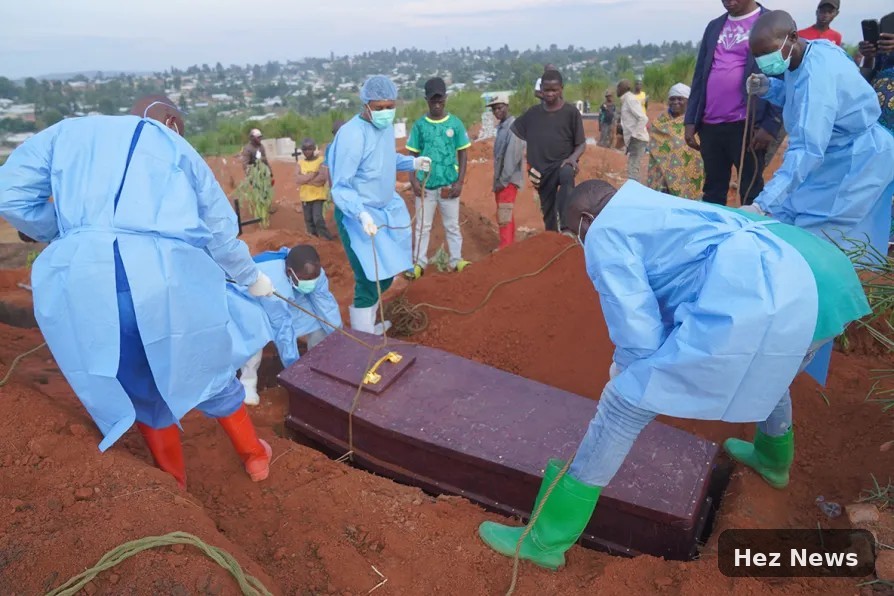
The ongoing Ebola outbreak in the eastern region of the Democratic Republic of Congo (DRC) has reached alarming levels, raising concerns over its potential global impact. As the number of fatalities surpasses the 2,299 deaths recorded during the previous outbreak from 2018 to 2020, it is crucial to address the lack of international support for this humanitarian crisis.
Understanding the Crisis
The current outbreak, which officially began in 2026, has been largely overlooked by the international community, despite its severity. The Ebola virus is known for its rapid transmission and high mortality rates, making it a significant threat not only to the DRC but to neighboring countries and beyond.
As Nigeria navigates its own health challenges, including the ongoing fight against COVID-19 and other endemic diseases, the situation in the DRC serves as a reminder of the global health challenges that require urgent attention. The neglect of the Ebola outbreak raises important questions about global priorities—particularly why funding and resources seem readily available for military conflicts but are scarce for health crises.
The Financial Disparity
In recent years, the world has seen an influx of financial resources directed towards military interventions and war zones. For instance, substantial investments have been made to address conflicts in various regions, including the Middle East and Africa. However, when it comes to health emergencies like the Ebola outbreak, the response has been muted.
According to health experts, a significant investment in public health infrastructure and response capabilities in the DRC could not only curb the current outbreak but also prevent future occurrences. The disparity in funding raises ethical concerns about prioritizing military action over humanitarian aid.
Nigeria's Role and Response
As a leading nation in West Africa, Nigeria has a vested interest in the health security of the region. The country has previously faced Ebola outbreaks and has developed a robust response framework. Nigerian health authorities and NGOs could play a pivotal role in supporting the DRC by sharing expertise and resources.
Furthermore, Nigeria's position as a member of the African Union provides an opportunity for collective action. The Nigerian government, along with its African counterparts, should advocate for increased funding and support for health emergencies on the continent.
The Way Forward
To effectively combat the ongoing Ebola outbreak in the DRC, a multi-faceted approach is necessary. This includes:
- International Collaboration: Countries must unite to provide necessary resources and expertise.
- Increased Funding: Governments and organizations should prioritize health crises in their budgets.
- Public Awareness: Raising awareness about the outbreak and its implications can mobilize support.
In conclusion, the situation in the DRC is a stark reminder of the disparities in global funding and attention. As Nigeria continues to strengthen its health systems, it is crucial for the international community to recognize the importance of investing in health security to prevent future outbreaks. The world has proven it can mobilize resources for conflict; it must do the same for health crises.





Leave a Comment