


The Academic Staff Union of Universities (ASUU) at the University of Port Harcourt (UNIPORT) has officially announced an indefinite strike, raising concerns among students and parents alike. This decision comes amid ongoing issues regarding the welfare of academic staff and the operational standards within Nigerian universities.
Reasons Behind the Strike
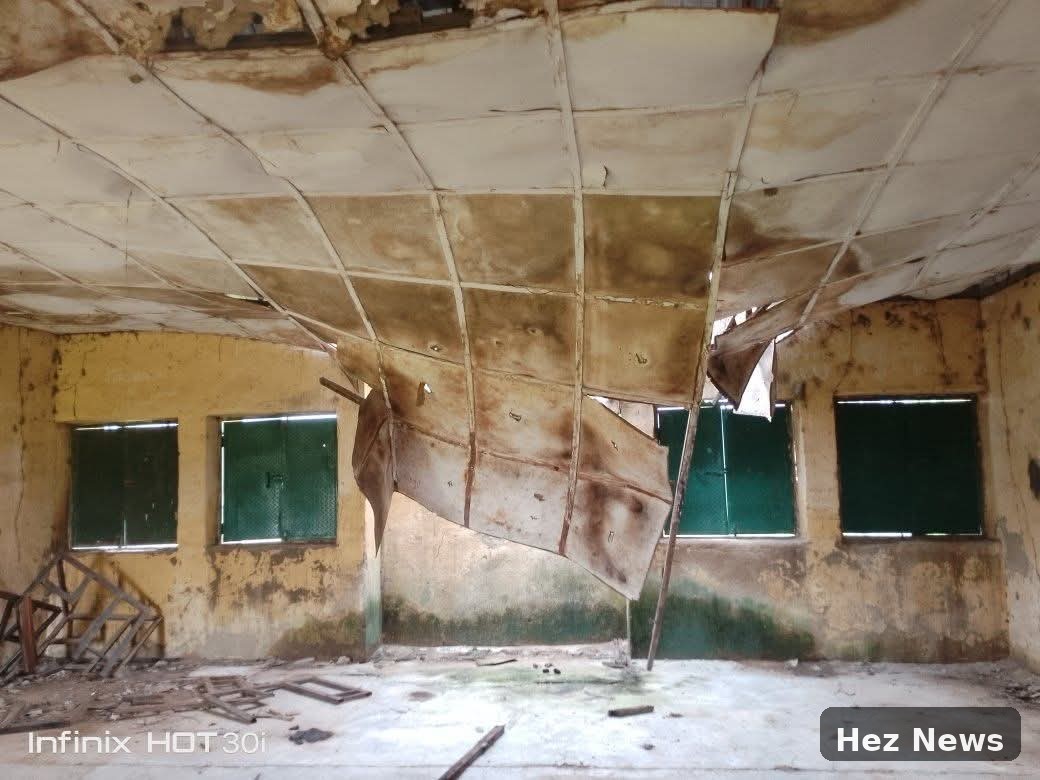
According to sources within the union, the strike was initiated due to unresolved grievances that have persisted for an extended period. Key issues cited include inadequate funding for universities, delays in salary payments, and a lack of essential facilities that hinder effective teaching and learning.
Dr. John Okoro, the ASUU chairman at UNIPORT, emphasized the critical need for government intervention. In a statement, he said, "Our members can no longer continue to work under these dire conditions. We are calling on the federal government to address these issues urgently to prevent further deterioration of the university system."
Impact on Students and Academic Calendar
The indefinite strike is expected to disrupt the academic calendar significantly. Students have expressed their frustration and anxiety regarding their future and academic progress. Many have taken to social media to voice their concerns, highlighting the potential loss of academic sessions if the strike persists.
One student representative, who wished to remain anonymous, stated, "This strike feels like a recurring nightmare. We are tired of the back-and-forth between the government and ASUU. Our future is at stake, and we demand a resolution now!"
Historical Context of ASUU Strikes
This is not the first time ASUU has declared a strike. The union has a long history of industrial actions aimed at improving the education sector in Nigeria. Previous strikes have often been triggered by similar issues, reflecting a systemic problem that has plagued the Nigerian university system for decades.
The most recent action before this was in 2022, which lasted several months and resulted in the loss of a significant part of the academic year for many students. Observers worry that this current strike may lead to similar consequences.
Next Steps and Government Response
As the strike unfolds, the federal government has yet to release an official response. Stakeholders are urging the government to engage in dialogue with ASUU to avert a prolonged disruption of academic activities. The Ministry of Education has historically been criticized for its handling of such crises, and many hope that this time, a sustainable agreement can be reached.
The public is closely monitoring developments, as the outcome of this strike could set a precedent for how educational disputes are resolved in Nigeria.




Leave a Comment