

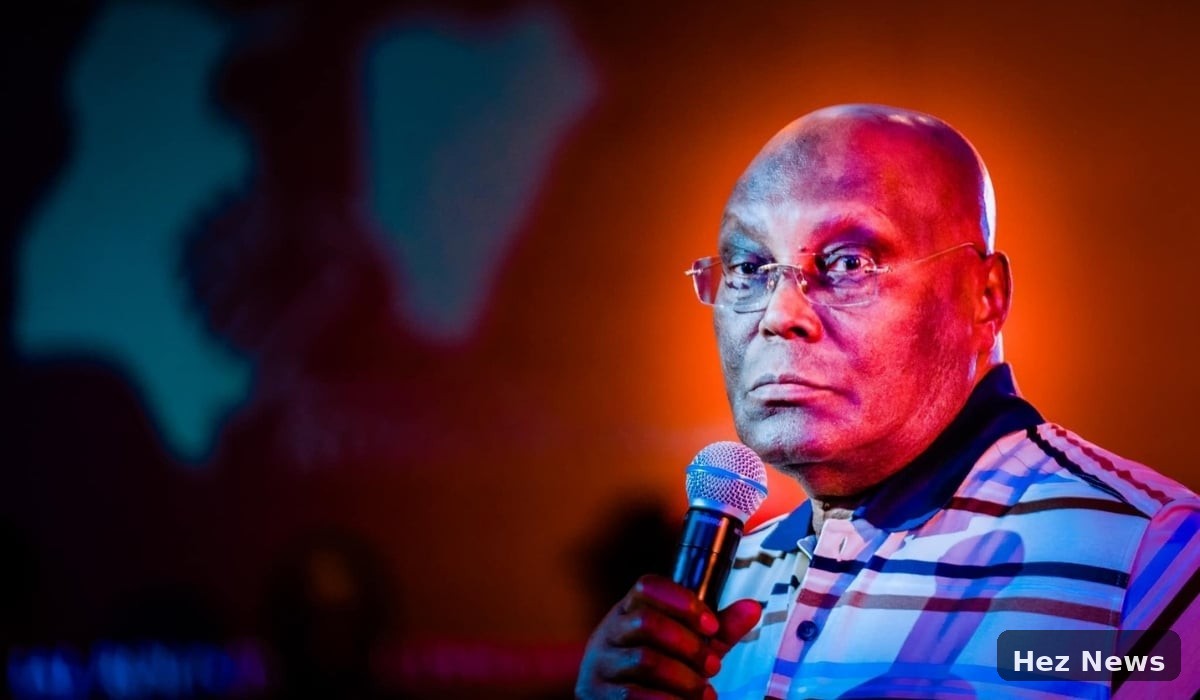
Former Vice President Alhaji Atiku Abubakar has recently responded to comments made by President Bola Ahmed Tinubu regarding fuel prices in Nigeria. In a bid to highlight disparities, Atiku compared Nigeria's fuel costs with those of other oil-producing nations.
Context of the Debate
The debate over fuel prices has become increasingly contentious in Nigeria, particularly following the removal of fuel subsidies earlier this year. This policy shift has led to significant hikes in fuel prices, affecting everyday life for many Nigerians.
Atiku's Remarks
Atiku, who is also the presidential candidate of the African Democratic Congress (ADC), emphasized that while Nigeria is one of the largest oil producers in Africa, its fuel prices are disproportionately high when compared to other oil-exporting countries. He stated, 'It is disheartening to see that Nigerians are paying more for fuel than their counterparts in other oil-rich nations.'
Comparative Analysis
In his analysis, Atiku referenced countries like Saudi Arabia, Iran, and Venezuela, which all offer significantly lower fuel prices to their citizens. He argued that the current pricing strategy in Nigeria does not reflect the country’s oil wealth and called for a comprehensive review of the fuel pricing policy.
Public Reaction
Reactions to Atiku's comments have been mixed. Supporters agree with his assessment, voicing concerns over the rising cost of living and the impact on small businesses. Critics, however, argue that the situation is a consequence of global oil market fluctuations, not merely local policies.
Government's Position
In response to Atiku's claims, the Tinubu administration has defended its fuel pricing strategy, citing the need for economic reforms and sustainability in the petroleum sector. Officials maintain that the removal of subsidies, though painful in the short term, is essential for long-term economic stability.
The Bigger Picture
As Nigeria navigates the complex landscape of fuel pricing and economic reform, discussions like these are critical. They reflect broader issues of governance, economic policy, and the responsibility of leaders to ensure the welfare of their citizens.
In conclusion, Atiku’s challenge to Tinubu raises important questions about Nigeria's fuel pricing structure and its implications for the economy and citizens' daily lives.


Leave a Comment