

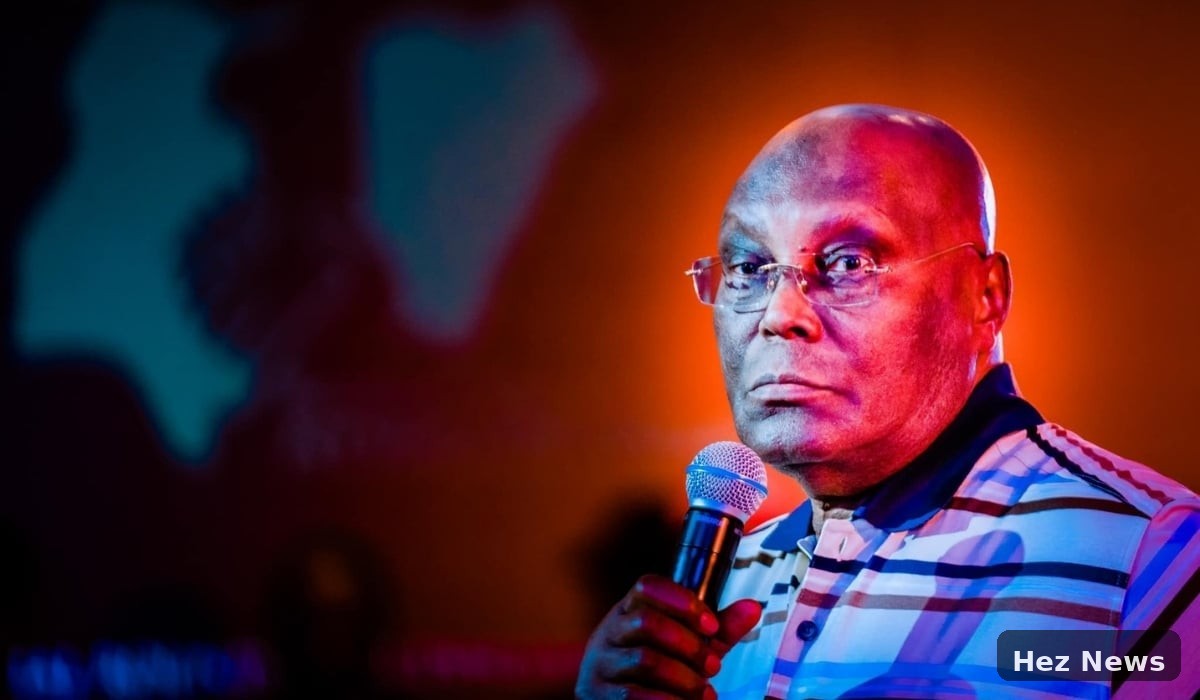
In a recent statement, former Vice President and the presidential candidate of the African Democratic Congress (ADC), Alhaji Atiku Abubakar, has engaged in a heated exchange with President Bola Ahmed Tinubu regarding Nigeria's fuel prices. Atiku's remarks come amid ongoing discussions about the economic implications of fuel pricing in the country.
Background on Fuel Pricing in Nigeria
Nigeria, with its vast oil reserves, is often viewed as a key player in the global oil market. However, many Nigerians are expressing concerns over the rising cost of fuel, which has seen prices soar in recent months. This has led to widespread discontent, with citizens questioning why fuel prices in Nigeria remain high compared to other oil-producing nations.
Atiku's Response to Tinubu
In his response to Tinubu, Atiku highlighted the stark differences in fuel pricing between Nigeria and other oil-producing countries. He emphasized that while Nigeria is rich in oil resources, the citizens face some of the highest fuel prices globally. Atiku stated, "It is disheartening to see that despite our oil wealth, Nigerians are forced to pay exorbitantly for fuel while citizens of other oil-producing nations enjoy much lower prices."
Economic Implications of High Fuel Prices
The implications of high fuel prices in Nigeria extend beyond the immediate cost to consumers. Increased fuel costs affect transportation, goods prices, and ultimately, the overall economy. Many small businesses are struggling to cope with the rising costs, leading to fears of inflation and a slowdown in economic growth.
Comparative Analysis with Other Countries
Atiku provided a comparative analysis, pointing out that countries such as Saudi Arabia and Venezuela, despite their own economic challenges, offer significantly lower fuel prices to their citizens. He argued that it is crucial for the Nigerian government to reassess its pricing strategy in order to alleviate the burden on the populace.
Public Reaction and Expectations
The public has responded to this debate with mixed feelings. Many Nigerians are hopeful that political leaders will prioritize solutions to the fuel pricing crisis. Social media platforms have become a space for citizens to voice their opinions, with hashtags like #FuelPriceNigeria trending as people share their experiences and frustrations.
Conclusion
As the dialogue continues, the Nigerian government faces increasing pressure to address the challenges related to fuel pricing. With the upcoming elections, the issue is likely to remain a focal point in political discussions. Atiku's remarks serve as a reminder of the critical need for transparency and accountability in managing Nigeria’s vast oil resources.


Leave a Comment