

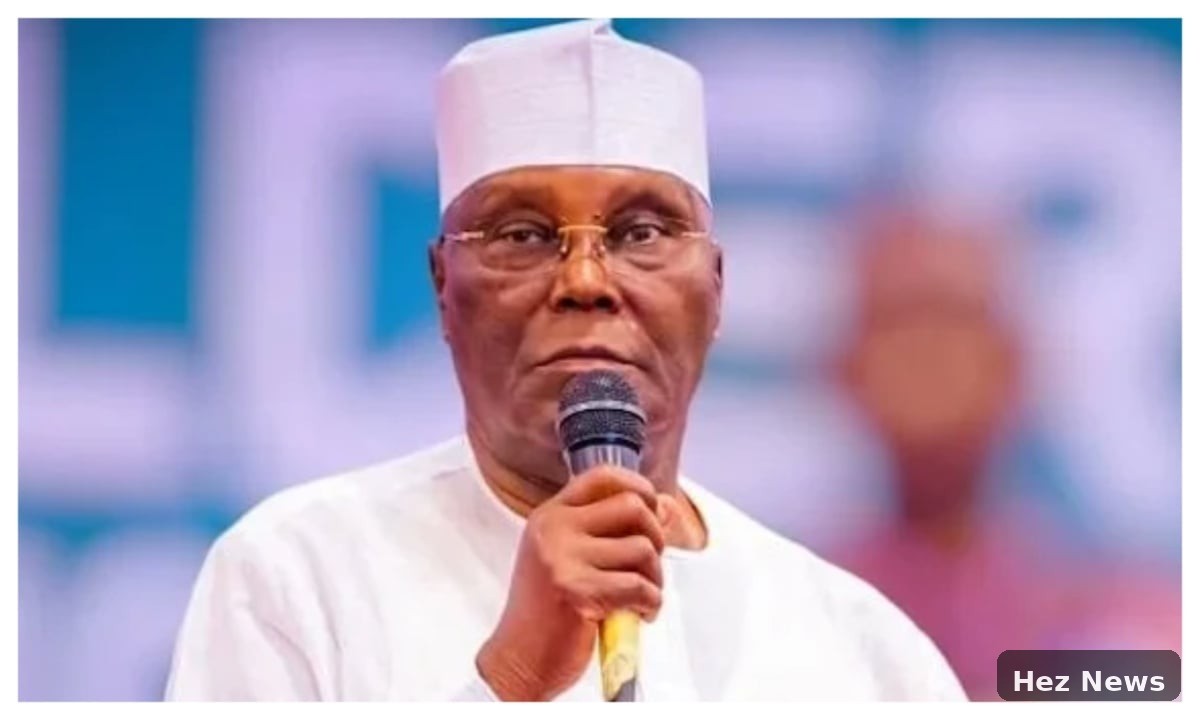
The presidential candidate of the African Democratic Congress (ADC), Atiku Abubakar, has called on the Debt Management Office (DMO) to publicly disclose Nigeria's external debt-service schedule for the second quarter of the year. This request comes amidst growing concerns over the nation's rising debt profile and the impact it has on the economy.
Background of Nigeria's Debt Crisis
Nigeria has been grappling with a significant external debt burden, which has raised alarms among economists and stakeholders in the country's fiscal health. As of recent reports, Nigeria's total debt has soared, leading to increased scrutiny over how the government manages its debt obligations.
Atiku's demand highlights the necessity for transparency in government financial dealings, especially as the country navigates economic challenges exacerbated by fluctuating oil prices and the global economic downturn.
Importance of Transparency in Debt Management
In a statement released on Saturday, Atiku emphasized that understanding the debt-service schedule is crucial for both policymakers and the general public. He stated, “The citizens have a right to know how much of their resources are being allocated to servicing debts instead of investing in critical infrastructure and services.”
The DMO's role is pivotal in ensuring that Nigeria's debt is sustainable and manageable. By disclosing the debt-service schedule, the government can foster trust and accountability, which are essential in a democratic society.
Political Reactions and Implications
Atiku's remarks have sparked discussions among political analysts and opponents of the current administration. Critics argue that a lack of transparency in fiscal policies can lead to mismanagement and corruption, further endangering the nation’s economic stability.
Political parties and civil society organizations have echoed Atiku's call for greater transparency. They argue that without public knowledge of debt obligations, it becomes difficult for citizens to hold their leaders accountable.
The Need for Economic Reforms
Economists believe that disclosing the debt-service schedule is just one step toward comprehensive economic reforms needed in Nigeria. As the country continues to face challenges such as inflation and a weakening naira, it is essential for the government to implement policies that prioritize economic recovery and growth.
Atiku's leadership during the upcoming elections will likely center around these issues, as voters demand accountability and effective governance.
Conclusion
As the second quarter approaches, all eyes are on the Tinubu administration and the DMO to respond to Atiku's request. The implications of this disclosure could be significant for Nigeria’s financial future, and it remains vital for the government to engage with the public transparently. The path forward requires not just accountability but also a commitment to reform that prioritizes the well-being of all Nigerians.



Leave a Comment