

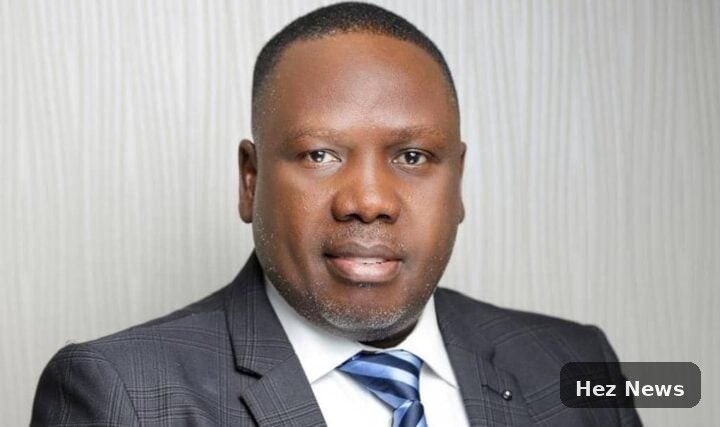
In a recent statement, Daniel Bwala, the Special Adviser on Policy Communication to President Bola Tinubu, addressed growing concerns regarding the fuel subsidy in Nigeria. During a press briefing on Thursday, Bwala emphasized that former Vice President Atiku Abubakar has no intentions of reinstating the fuel subsidy if elected in the upcoming 2027 presidential elections.
Clarification on Fuel Subsidy Policy
As discussions about the future of fuel subsidies in Nigeria intensify, Bwala's comments aim to clarify Atiku's stance on this contentious issue. The fuel subsidy program has been a topic of heated debate, particularly due to its implications on the economy and public welfare.
Bwala stated, “Atiku has made it clear that there are no plans to restore the fuel subsidy should he return to power.” This announcement comes at a time when the country is grappling with rising fuel prices and the economic ramifications that follow.
Background on Fuel Subsidy in Nigeria
The fuel subsidy has historically been a mechanism to keep petrol prices low for Nigerian consumers, but it has also led to significant financial strain on the government. In recent years, the policy has been criticized for fostering corruption and inefficiency within the sector.
Under the current administration, President Tinubu's government has initiated economic reforms aimed at phasing out the subsidy, arguing that it is necessary to redirect funds towards critical infrastructure and social programs. This approach has garnered both support and opposition across various segments of society.
Public Reaction and Political Implications
The announcement by Bwala is likely to stir discussions among voters as the 2027 elections approach. Many Nigerians are concerned about how the removal of the subsidy will impact their daily lives, especially given the rising cost of living.
Political analysts suggest that Atiku's position on the subsidy could be a double-edged sword. While some may support his stance for fiscal responsibility, others may view it as a disregard for the economic hardships faced by ordinary citizens.
In conclusion, as the political landscape evolves, the issue of fuel subsidy will remain a pivotal point of discussion in Nigeria's electoral process. With Bwala’s clear statement regarding Atiku’s plans, the electorate will have to consider the implications of this policy on their lives and the broader economy.

Leave a Comment