

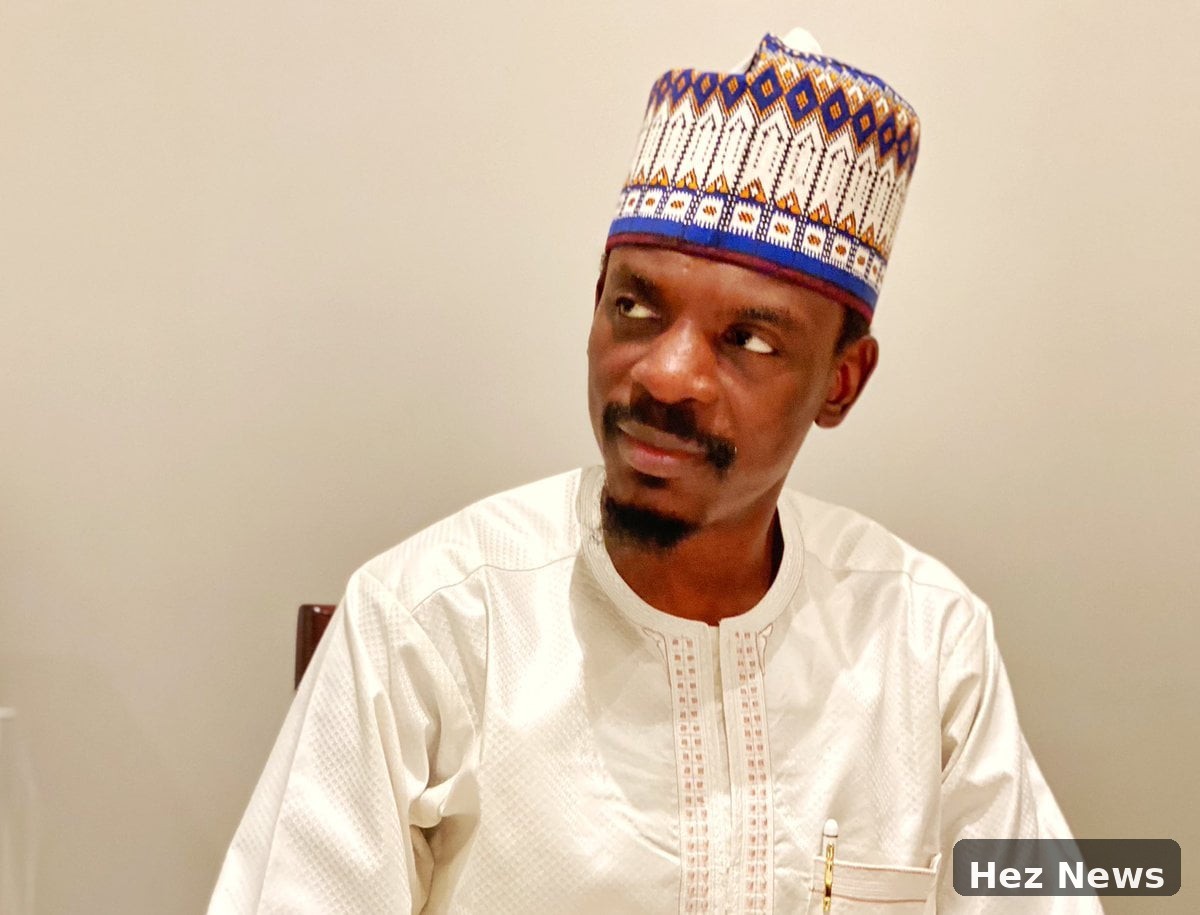
In a recent development, former presidential media aide Bashir Ahmad has come forth to defend Sheikh Jingir amidst ongoing controversies surrounding remarks made by Plateau-based pastor, Rev. Ezekiel Dachomo. Ahmad's comments have sparked significant discussions across various platforms.
Context of the Controversy
The discourse began when Rev. Dachomo reportedly made statements that many perceived as inflammatory. While the specifics of his remarks remain a point of contention, they have drawn criticism from various quarters, including religious leaders and political figures alike.
Bashir Ahmad's Response
In his defense of Sheikh Jingir, Ahmad claimed that the remarks made by Rev. Dachomo were more egregious than those attributed to the Sheikh. He emphasized that the context and intent behind Jingir's statements should be carefully considered before passing judgment. "We must look at the bigger picture and understand the motivations behind these comments," Ahmad stated during an interview with popular media personality Rufai Oseni.
Public Reaction and Implications
The public's reaction has been mixed, with some supporting Ahmad's defense of Sheikh Jingir while others argue that all statements made by religious leaders should be scrutinized regardless of their origin. This controversy highlights the delicate nature of religious discourse in Nigeria, a country often characterized by its religious diversity and occasional tensions between different faiths.
Ahmad's remarks have ignited discussions on social media, with many users weighing in on what they perceive as double standards in how religious leaders are treated in public discourse. Hashtags related to the incident have been trending, showcasing the public's engagement with the topic.
The Broader Context of Religious Discourse in Nigeria
Nigeria, with its rich tapestry of cultures and religions, has long grappled with the implications of religious leaders' statements on societal harmony. As the nation approaches a pivotal election period, the importance of responsible discourse cannot be overstated. Religious leaders hold significant sway over their congregations, and their words can either foster unity or incite division.
As such, both Ahmad's defense and Dachomo's comments serve as a reminder of the responsibility that comes with leadership, particularly in a nation as diverse as Nigeria.
Conclusion
As the discourse continues to evolve, it remains to be seen how this controversy will impact the relationships between different religious communities in Nigeria. For now, Ahmad's defense serves as a critical reminder of the complexities surrounding religious statements and their interpretations.




Leave a Comment