

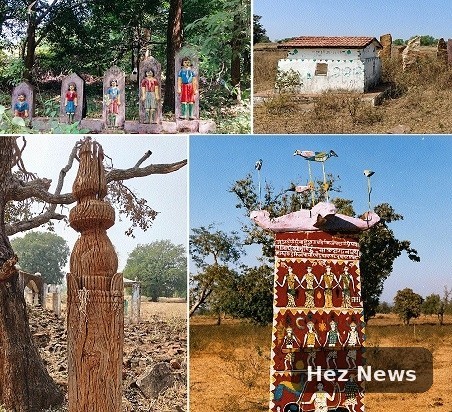
The region of Bastar, steeped in ancient history, showcases a unique megalithic tradition that serves as a striking reminder of the Iron Age. Dating back to the first millennium BCE, this tradition is not merely an archaeological curiosity but a vibrant aspect of contemporary culture.
Understanding Megalithism in Bastar
Megalithism refers to the construction and use of large stone structures, often associated with burial practices and religious rituals. In Bastar, these ancient practices continue to influence the local community, bridging the gap between past and present. This living tradition is a testament to the resilience of cultural practices in the face of modernity.
The Cultural Significance of Bastar
For the people of Bastar, these megalithic structures are not just remnants of a bygone era; they are a vital part of their identity. The megaliths serve as sacred sites where rituals are performed, honoring ancestors and fostering a sense of community. This ongoing connection to their heritage is particularly important in a rapidly changing world.
Global Context of Megalithism
While megalithism can be found worldwide, Bastar stands out as one of the few regions where these ancient traditions are actively practiced. In contrast to other areas where megaliths are primarily of archaeological interest, the ongoing rituals in Bastar highlight the cultural continuity that many societies aspire to maintain.
Lessons for Nigeria
Nigeria, with its rich tapestry of cultures and traditions, can draw valuable lessons from Bastar's megalithic practices. As we navigate the complexities of modernization, it is essential to recognize and preserve our cultural heritage. Understanding how communities like Bastar maintain their traditions can inspire Nigerian communities to celebrate and continue their own historical practices.
Conclusion
Bastar’s megalithic tradition is more than a remnant of the past; it is a living testament to human creativity and cultural resilience. As we reflect on our own histories, it’s crucial to honor and preserve the practices that define our identities. In doing so, we ensure that future generations can appreciate the rich legacies we inherit.






Leave a Comment