

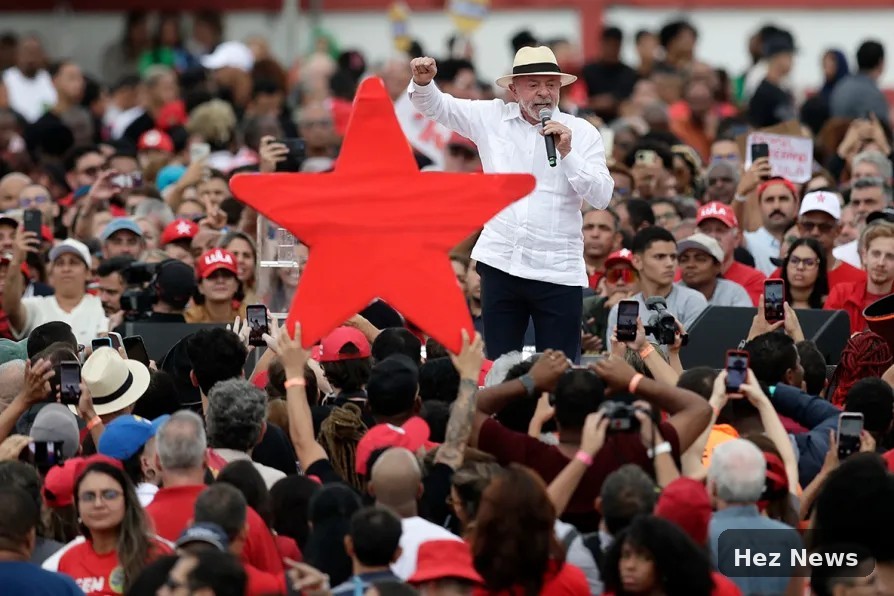
The recent political developments in Brazil have captured the attention of the international community, especially as they relate to the ongoing tensions between the United States and emerging multipolar powers. As Brazil heads into its upcoming elections, the stakes are higher than ever.
Background on Brazil's Political Climate
Brazil's political landscape has been tumultuous, particularly following the imprisonment of former president Jair Bolsonaro. His legal troubles, marked by allegations of plotting against democratic institutions, have sparked debates about justice and political maneuvering. The Brazilian Supreme Court, under the leadership of judge Alexandre de Moraes, has played a pivotal role in these developments.
US Sanctions and Their Implications
According to reports from the Financial Times, the Trump administration is contemplating new Magnitsky sanctions against de Moraes. These sanctions could further complicate the already strained relations between the US and Brazil. Such actions signal a broader strategy by Washington to influence political outcomes in nations it perceives as threats to its global hegemony.
For Nigerians, this situation is particularly relevant as it mirrors the challenges faced in their own political environment. The ability of foreign powers to sway local politics raises concerns about sovereignty and national integrity. In a world where power dynamics are shifting, the Nigerian populace must remain vigilant and informed about international influences on their governance.
Implications for Nigeria and Africa
As a country that champions democratic values, Nigeria has a vested interest in the outcomes of Brazil's elections. The success or failure of democratic processes in Brazil could set precedents for similar movements in Africa. If the US continues its approach of intervention through sanctions, it may embolden other nations to adopt similar tactics, creating a ripple effect across the continent.
Moreover, Nigeria's relationships with countries in the Global South are critical as they navigate their own paths toward development without excessive external interference. The push for a multipolar world order is gaining traction, and Nigeria is positioned to play a significant role in this transition.
Conclusion
As Brazil prepares for its elections, the implications of these developments resonate far beyond its borders. The potential for increased sanctions and political interference from the US could alter not just Brazil's future but also the political fabric of nations like Nigeria. It is essential for Nigerians to stay informed and engaged with these global events, as they may have profound impacts on their own democratic practices and international relations.




Leave a Comment