

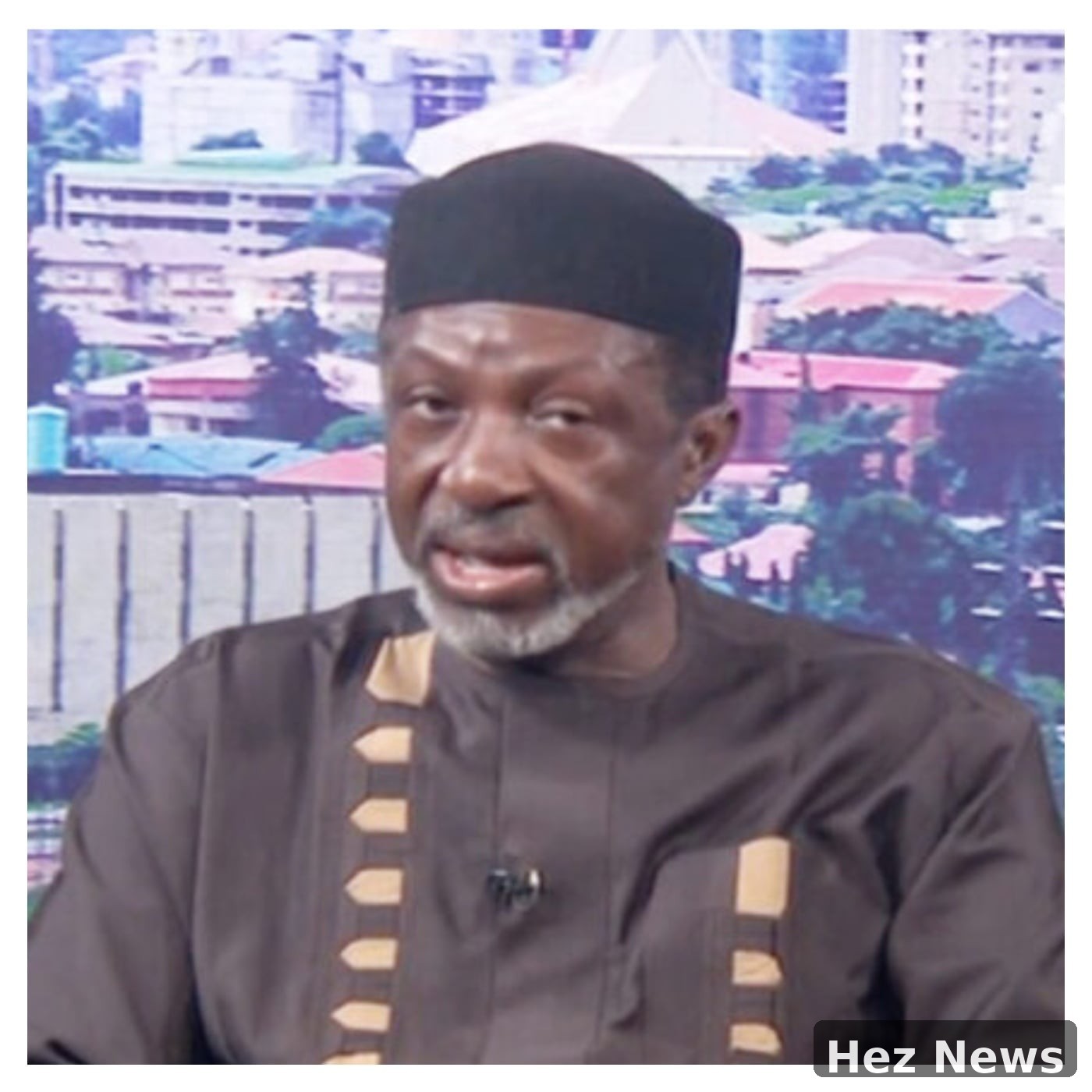
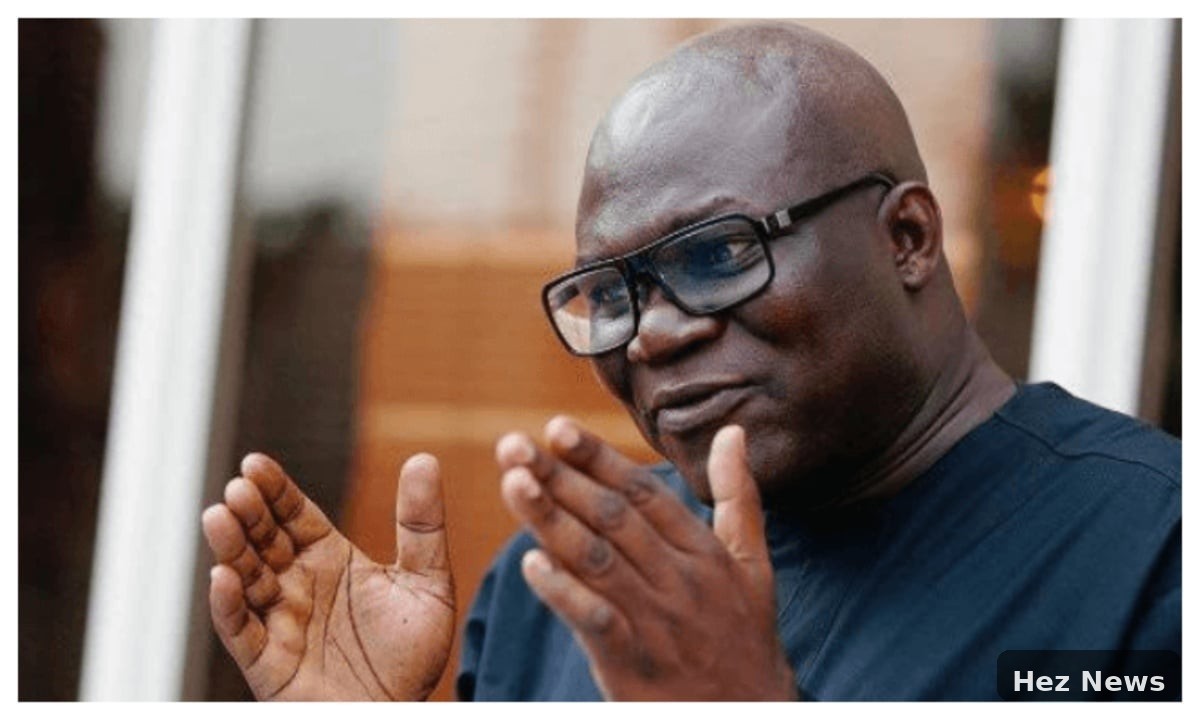
In a recent statement, Paul Ibe, the media aide to former Vice President Atiku Abubakar, has criticized the administration of President Bola Tinubu for allegedly reintroducing a non-transparent petrol subsidy scheme. This claim raises concerns among Nigerians who have been advocating for greater transparency in the fuel pricing system.
Background on Fuel Subsidies in Nigeria
Nigeria has long struggled with issues surrounding fuel subsidies, which have been a contentious subject in the nation's economic discussions. Over the years, these subsidies have led to significant financial strains on the national budget, with billions of naira being spent annually to keep petrol prices low for consumers.
The subsidy regime was largely criticized for its lack of transparency and accountability, prompting former President Muhammadu Buhari to announce its removal in 2020. However, many Nigerians remain skeptical about the effectiveness of this decision, as the transition has not been without its challenges, including rising fuel prices and inflation.
Atiku's Critique
In his remarks, Ibe emphasized that the current administration's actions suggest a regression to the old ways of managing fuel subsidies without clear guidelines or accountability measures in place. He argued that this could lead to a repeat of the past errors that have plagued the sector.
“We cannot afford to return to an opaque subsidy regime. Nigerians deserve clarity and fairness in fuel pricing, not a return to the shadows where corruption thrives,” Ibe stated.
Public Reaction
The public reaction to Ibe's claims has been mixed. Some citizens express concern that a return to subsidies could lead to increased corruption and inefficiency, while others believe that some form of subsidy is necessary to alleviate the financial burden on average Nigerians.
Social media platforms have been abuzz with debates over the implications of reintroducing subsidies, highlighting the need for a sustainable and transparent approach to Nigeria's fuel pricing. Many users have echoed Ibe's sentiments, calling for a more open discourse on how fuel prices are determined.
The Way Forward
As the discourse continues, it is imperative for the Tinubu administration to engage with stakeholders and the public to navigate the complexities of fuel pricing in Nigeria. A transparent framework that ensures accountability and fairness could help restore public trust and stabilize the economic environment.
In conclusion, while the fuel subsidy issue remains a critical aspect of Nigeria's economic policy, it is essential for the government to prioritize transparency and accountability to avoid repeating past mistakes.
Leave a Comment