

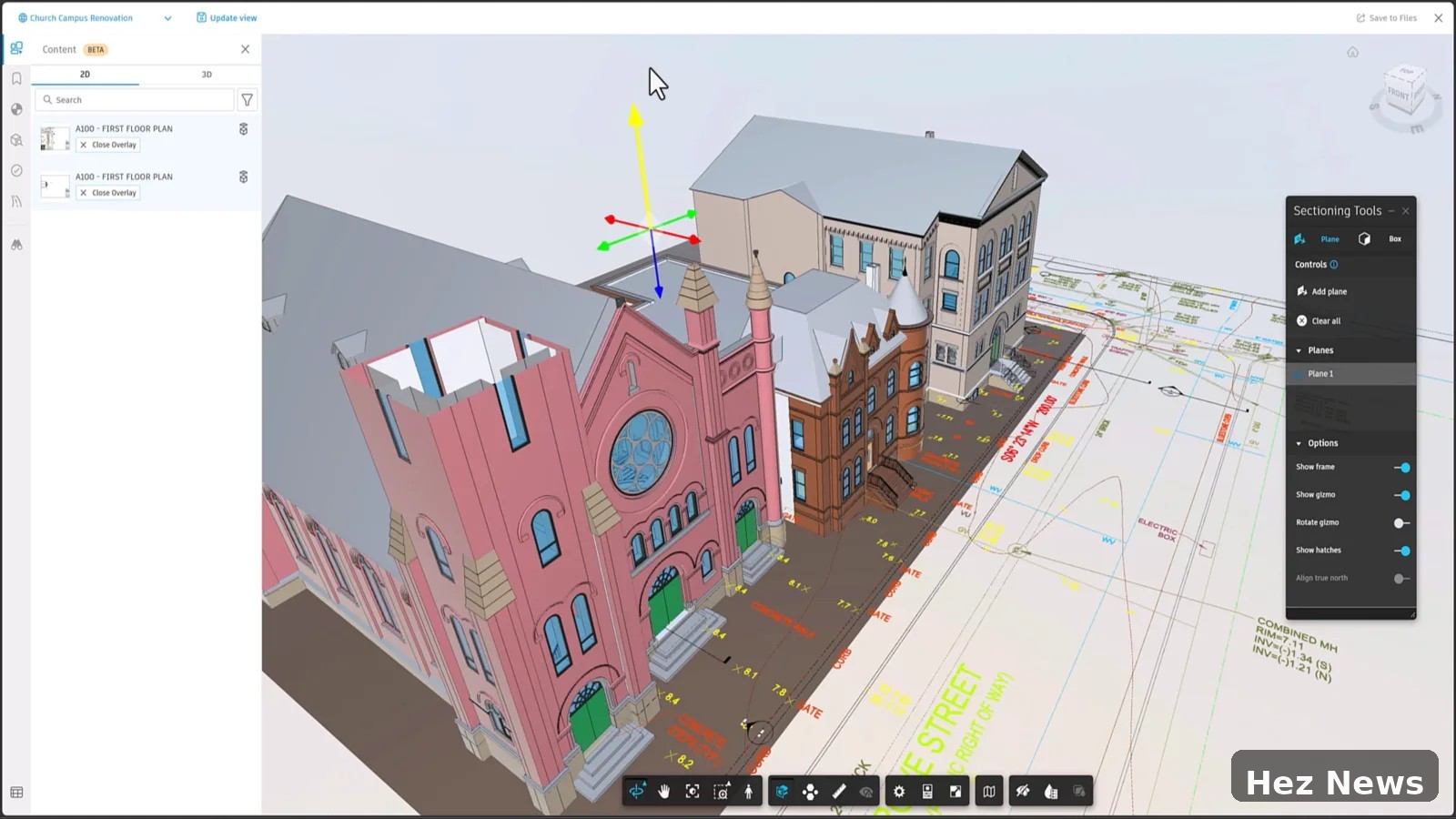
As artificial intelligence (AI) continues to reshape industries around the globe, the construction sector faces unique challenges, particularly in Nigeria. While AI offers unprecedented possibilities for design and project management, the practical implementation of these innovations often lags behind due to resource constraints.
Challenges in the Nigerian Construction Sector
In Nigeria, the construction industry is grappling with several issues, including a shortage of skilled labor, inadequate funding, and logistical hurdles. These challenges limit the ability to fully leverage the advancements in technology and the potential that AI brings to the table.
According to industry experts, Nigeria's construction sector needs to address these constraints to remain competitive. Investment in training and education is essential to equip workers with the necessary skills to utilize AI tools effectively.
The Potential of AI in Construction
AI can revolutionize how projects are planned, monitored, and executed. From predictive analytics that anticipate project delays to AI-driven design tools that enhance architectural creativity, the possibilities are vast. For instance, AI can analyze data from past construction projects to optimize timelines and budgets, which is crucial in a country where financial resources are often limited.
However, as AI technologies become more advanced, the gap between what can be imagined and what can be practically built widens. This issue is not just a concern for Nigeria but is a global phenomenon where expectations often exceed current capabilities.
Investment and Policy Implications
The Nigerian government and private sector must work collaboratively to create an environment conducive to innovation in construction. This includes providing financial incentives for companies that invest in new technologies and fostering partnerships between tech firms and construction businesses.
Moreover, policies aimed at improving infrastructure and reducing regulatory bottlenecks can significantly enhance the industry's ability to adopt AI solutions. By streamlining processes, companies can focus more on innovation rather than being bogged down by bureaucratic hurdles.
Conclusion
In conclusion, while AI holds the potential to transform the construction landscape in Nigeria, overcoming existing challenges is crucial. Bridging the gap between imagination and reality will require concerted efforts from all stakeholders, including government, industry leaders, and educational institutions. By addressing labor shortages and investing in technology, Nigeria can harness the power of AI to build a more robust and innovative construction sector.






Leave a Comment