

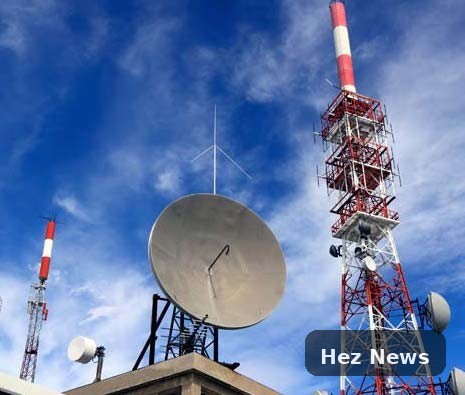
Nigeria's ambitious plan for a 90,000-kilometre national fibre network aims to strengthen the country's digital infrastructure, but experts warn that this initiative may not fully bridge the connectivity gap in rural areas.
The Vision Behind the Fibre Network
As part of the government's efforts to enhance digital access nationwide, the fibre network project is seen as a crucial step towards improving internet connectivity and fostering economic growth. However, stakeholders are beginning to question whether this massive investment will adequately address the unique challenges faced by rural communities.
Understanding the Connectivity Gap
Despite the introduction of such a vast fibre network, rural areas in Nigeria have historically struggled with connectivity issues. Several factors contribute to this persistent gap, including:
- Infrastructure Deficiencies: Many rural locations lack the necessary infrastructure to support advanced telecommunications systems.
- Economic Limitations: High costs associated with installation and maintenance can deter private investment in these areas.
- Geographic Barriers: The diverse terrain of Nigeria poses challenges for laying down fibre optic cables.
Expert Opinions
Industry experts emphasize that while the fibre network will significantly enhance urban connectivity, rural areas may still require tailored solutions to meet their specific needs. One expert noted, "Connectivity is not just about laying cables; it's about ensuring that communities can access and use the internet effectively. Without addressing local challenges, we may see minimal impact from this project in rural areas."
Potential Solutions
To truly bridge the digital divide, experts suggest a multifaceted approach that includes:
- Investment in Local Infrastructure: Governments and private sectors should collaborate to build supporting infrastructure such as electricity and reliable transport.
- Community Engagement: Involving local communities in the planning and implementation stages can tailor solutions to their unique challenges.
- Affordable Internet Services: Encouraging competition among service providers could lead to lower prices and better services.
The Road Ahead
The success of Nigeria's fibre network initiative hinges not only on the physical deployment of cables but also on a comprehensive strategy that addresses the underlying issues faced by rural communities. As the project progresses, it will be critical to monitor its impact and adapt strategies to ensure that all Nigerians, regardless of their location, can benefit from the digital revolution.






Leave a Comment