

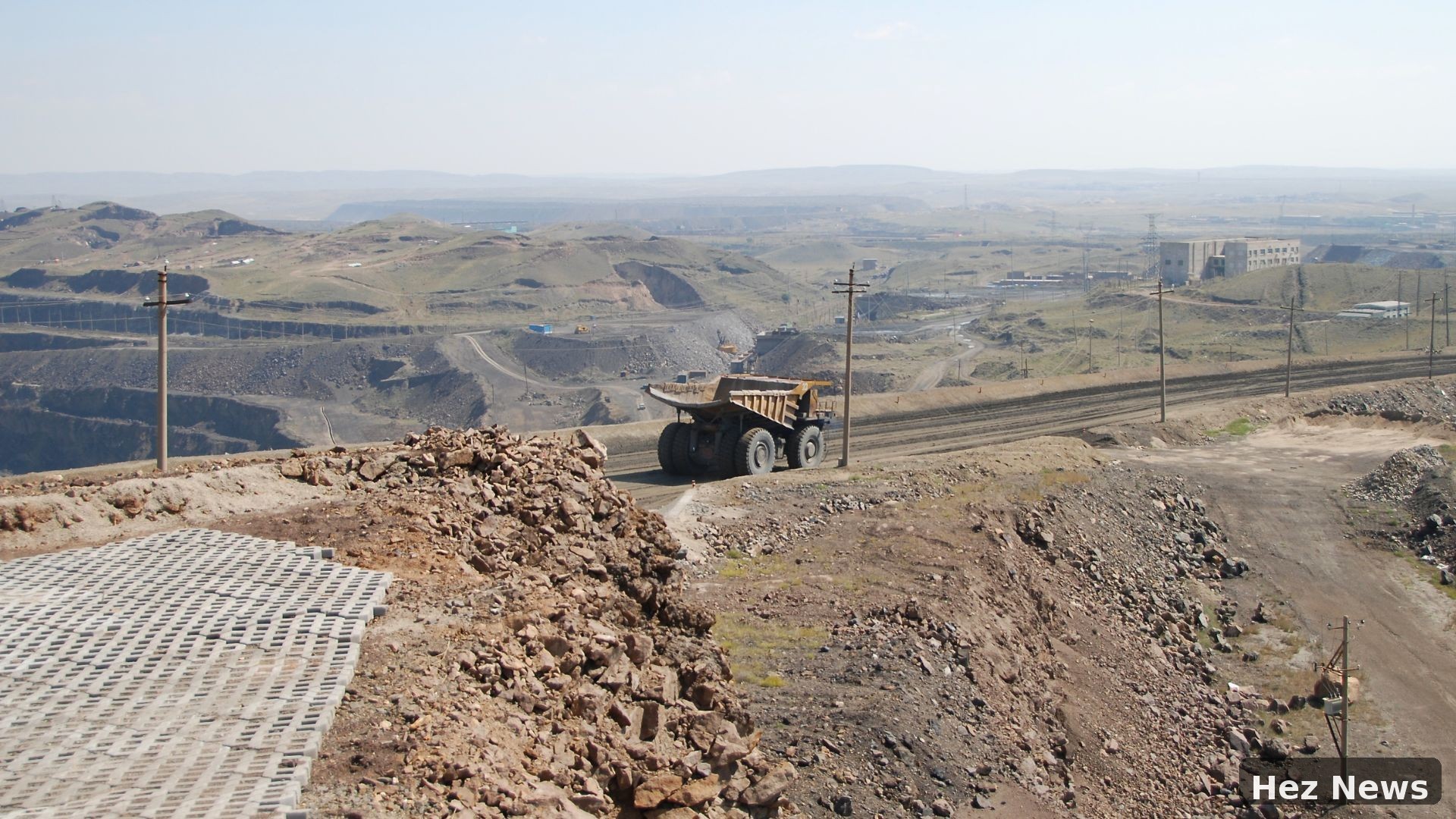
China is making significant strides in the mining sector with the expansion of its Bayan Obo mining complex located in Inner Mongolia. This ambitious project aims to increase the annual mining capacity of the world’s largest rare earth mine by an impressive 50%. The expansion, which involves a hefty investment of $74 million, is primarily focused on enhancing iron ore production.
Importance of Rare Earth Elements
Rare earth elements (REEs) are critical for a wide array of technologies, from smartphones to electric vehicles and renewable energy sources. China has long been a dominant player in the global REE market, holding approximately 37% of the world’s rare earth reserves.
Economic Implications for Nigeria
As the largest economy in Africa, Nigeria is keenly observing developments in the global mining and minerals sector, particularly in light of the country's own vast natural resources. The expansion of the Bayan Obo mine could potentially shift market dynamics, impacting the pricing and availability of rare earth elements worldwide. This could also influence Nigeria’s efforts to tap into its own mineral wealth and attract foreign investment in the mining sector.
Global Context and Future Prospects
The expansion of the Bayan Obo mine comes at a time when nations are vying for control over critical mineral resources essential for technological advancements. The United States and Europe are increasingly looking to diversify their supply chains away from China. This geopolitical landscape poses both challenges and opportunities for Nigeria, which is rich in untapped mineral resources.
Conclusion
As China forges ahead with its mining ambitions, countries like Nigeria must remain vigilant and proactive in developing their own resource sectors. The expansion of the Bayan Obo mine not only signifies China’s commitment to dominating the rare earth market but also serves as a reminder of the importance of strategic resource management for nations around the world.






Leave a Comment