

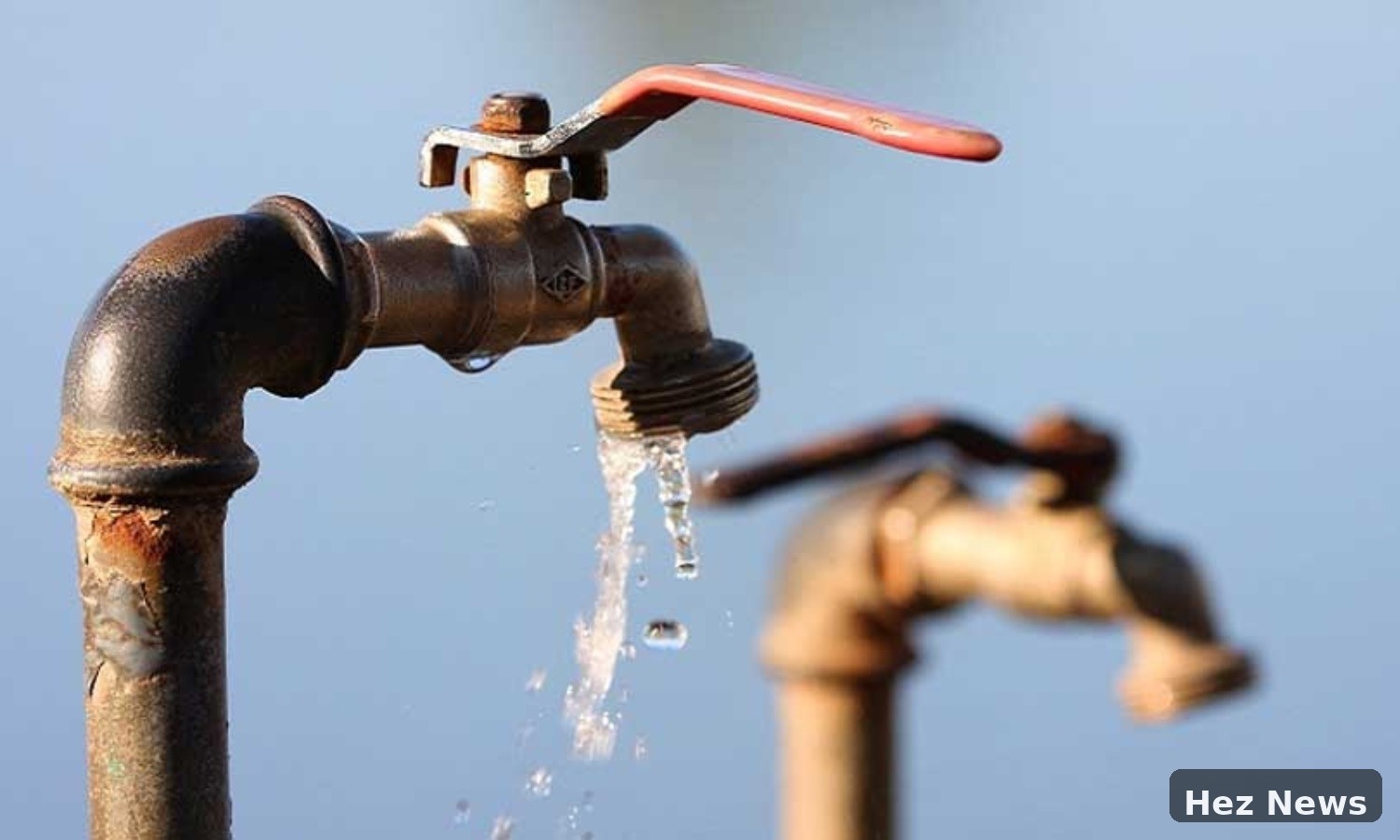
Fluoride contamination in groundwater is posing a serious health risk to thousands of residents across 85 villages in the Nagpur district of India. With escalating concerns, particularly in the affected areas, it is imperative to understand the implications of this crisis.
The Affected Areas
The taluka of Ramtek has emerged as the most severely impacted region, housing 20 of the affected villages. Residents are increasingly worried about the potential health risks associated with drinking water that contains fluoride levels exceeding the World Health Organization (WHO) guidelines.
Health Implications
Fluoride contamination is not merely an environmental issue; it has far-reaching health implications. High levels of fluoride in drinking water can lead to several health problems, including dental and skeletal fluorosis, which can cause debilitating effects if left unaddressed. The situation calls for immediate attention from local authorities and health organizations.
Comparative Context: Nigeria's Water Quality Challenges
While this situation unfolds in India, it is noteworthy to consider similar challenges faced in Nigeria, where many communities struggle with unsafe drinking water. Issues related to contamination from various sources, including industrial waste and poor sanitation, mirror the plight seen in Nagpur. It highlights a global concern regarding water quality and public health.
Call to Action
In light of this ongoing crisis, local government officials and health experts must prioritize the implementation of water purification strategies and public health campaigns. Strengthening community awareness about the dangers of fluoride and advocating for access to safe drinking water are essential steps.
Ultimately, this situation serves as a reminder of the critical need for clean water access and the importance of monitoring and managing water quality to protect public health. As residents of Nagpur face these challenges, it is crucial for the international community to lend support and resources.





Leave a Comment