

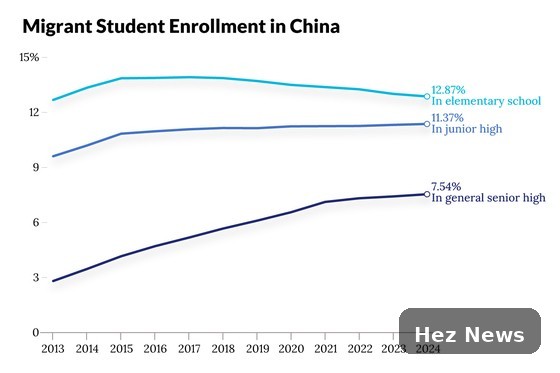
In recent developments, China’s State Council has taken a significant step towards improving access to education for migrant children. The Implementation Opinions on Providing Basic Public Services highlights the urgent need for adequate classrooms in urban centers where these children reside.
Understanding the Context
China has seen a massive wave of urban migration, with millions of people moving from rural areas to cities in search of better opportunities. This trend has resulted in a growing population of migrant children who often face challenges in accessing education. Education is a fundamental right, yet many of these children are left without proper schooling facilities.
Implications for Nigeria
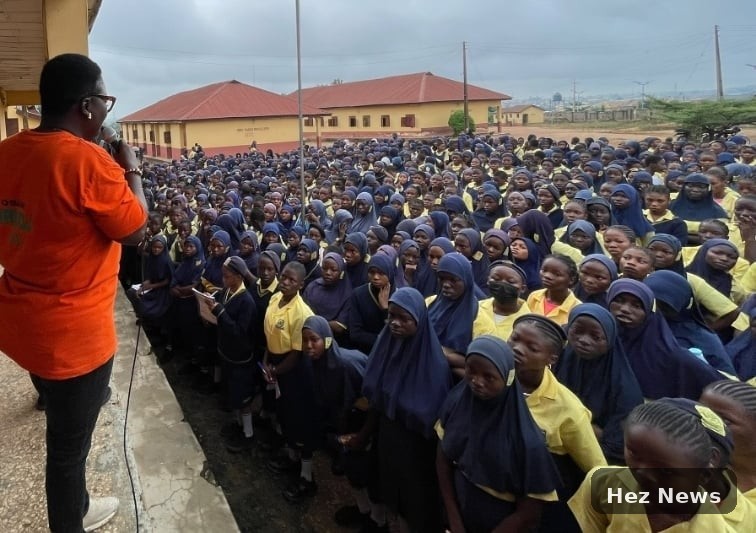
While the focus is on China, Nigeria faces similar challenges. With high levels of urban migration, particularly in cities like Lagos and Abuja, the influx of children into urban areas without adequate educational resources mirrors the situation in China. In Nigeria, a significant number of children are out of school, contributing to a cycle of poverty and lack of opportunity.
Call for Action
The Chinese government's initiative calls for local authorities to ensure that every migrant child has access to basic education. This move is crucial not only for the individual development of these children but also for the country’s socio-economic growth. Investing in education for migrant children can lead to better job prospects and increased contributions to the economy.
Potential Solutions
For Nigeria to address similar issues, a comprehensive policy that focuses on the educational needs of urban migrants is essential. This includes:
- Creating more schools in urban slums where migrant populations are concentrated.
- Providing incentives for teachers to work in underserved areas.
- Implementing flexible education systems that cater to the unique needs of migrant children.
Moreover, collaboration between government and non-governmental organizations can enhance the framework for educational access and retention.
Conclusion
As China moves forward with its plan to provide classrooms for every migrant child, Nigeria can learn valuable lessons. Ensuring access to education for all children, regardless of their background, is not just a moral obligation but a necessary step towards building a stronger, more equitable society.




Leave a Comment