

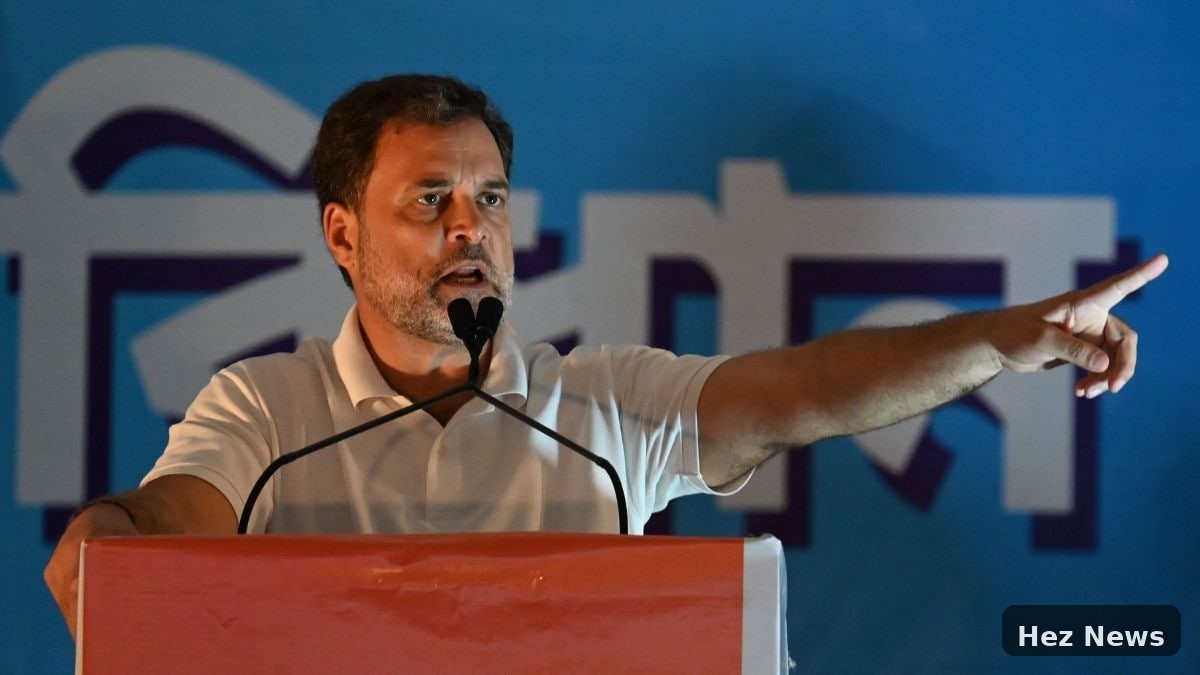
In a significant development, Congress leader Rahul Gandhi has ramped up his critique against the Central Board of Secondary Education (CBSE), expressing grave concerns over the board's approach towards education and its financial implications for students. This criticism comes amidst ongoing discussions surrounding the cost of re-evaluation for students.
Accusations of Commercialization
During a press briefing on Monday, Gandhi accused the CBSE of treating education as a commercial venture rather than a public service. He highlighted the burdensome costs that students face when seeking to have their exam papers re-evaluated, suggesting that such fees create an inequitable educational landscape.
Impact on Nigerian Students
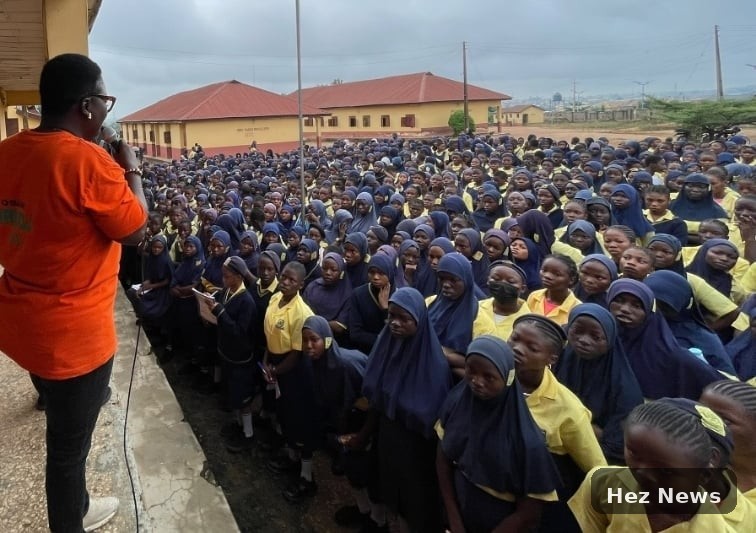
This issue resonates particularly with Nigerian students and parents, as many often face similar challenges in the education system. The rising costs associated with examinations and re-evaluation can discourage students from pursuing their academic goals. Education should be accessible and not a privilege determined by one’s financial capability.
Calls for Reform
Gandhi's statements have sparked conversations about the need for reform within educational institutions globally, including Nigeria. Advocates argue that educational boards must prioritize students' needs and ensure that access to education is not hindered by financial constraints. The CBSE's current policies could serve as a cautionary tale for Nigerian educational authorities to reassess their own fee structures.
Responses from the Education Sector
In response to Gandhi's remarks, several education activists have echoed his sentiments, calling for more transparency in the fee structures imposed by educational institutions. They argue that it is essential for educational boards to operate with a commitment to public service rather than profit-making.
The Need for Accountability
As the debate continues, there is a growing demand for accountability from educational authorities. Students and parents alike are encouraged to vocalize their concerns and push for policies that prioritize education as a fundamental right. The ongoing discourse surrounding CBSE’s policies could potentially inspire similar movements in Nigeria, where educational reform is desperately needed.
Conclusion
As Rahul Gandhi's criticisms gain traction, it is crucial for stakeholders in the education sector—be it in India or Nigeria—to consider the implications of their policies on students. Education should empower, not impoverish. The call for reform is louder than ever, and now is the time for action.



Leave a Comment