

Understanding the Conflict
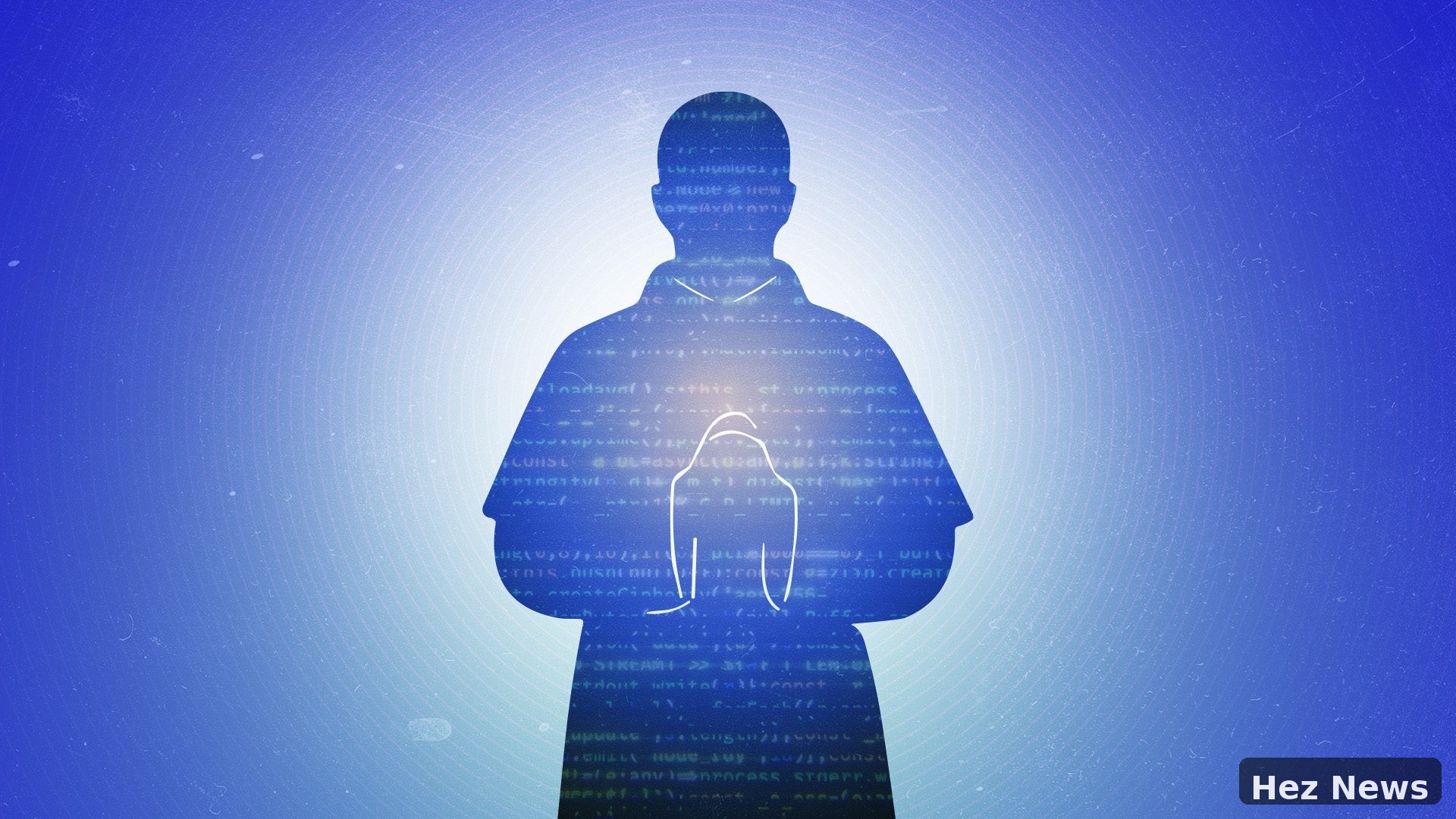
In today’s rapidly evolving world, the intersection of technology and faith has sparked intense discussions among religious leaders in Nigeria. This dialogue is not merely academic; it resonates with the everyday experiences of many Nigerians who navigate the complexities of modern life while trying to maintain their spiritual beliefs.
The Role of Priests in Modern Nigeria
Priests have traditionally served as spiritual guides, offering counsel and support to their congregations. However, the rise of digital platforms has changed how people perceive and interact with religious leaders. Many Nigerians now turn to social media and online forums for advice, sometimes bypassing traditional clerical guidance. This shift raises questions about the relevance of priests in a digital age.
Godbots and the Digital Landscape
On the other hand, we have the phenomenon of 'godbots'—individuals who use technology to preach, share messages, and connect with followers online. While some view this as a positive adaptation to modernity, others criticize it for diluting the essence of spiritual leadership. The debate often centers around whether these digital platforms foster genuine faith or merely serve as a distraction from traditional practices.
Personal Experiences and Challenges
In my own life, I faced a challenging moment where I sought solace from friends rather than clergy. This experience brought to light the importance of having accessible support systems but also highlighted the limitations of relying solely on informal networks for guidance in times of crisis. Many Nigerians share similar stories, indicating a shift in how we approach mental health and spirituality.
The Importance of Dialogue
As the discussion continues, it is crucial for both priests and 'godbots' to engage in meaningful dialogue. By understanding each other's perspectives, we can bridge the gap between traditional and modern approaches to faith. This collaboration could lead to new methods of providing support to those in need, especially in a country where mental health issues are often stigmatized and overlooked.
Conclusion
The clash between traditional religious practices and modern technological influences poses both challenges and opportunities for faith communities in Nigeria. As we navigate this complex landscape, it is essential to foster conversations that respect both perspectives, ensuring that individuals find the support they need in a rapidly changing world.





Leave a Comment