

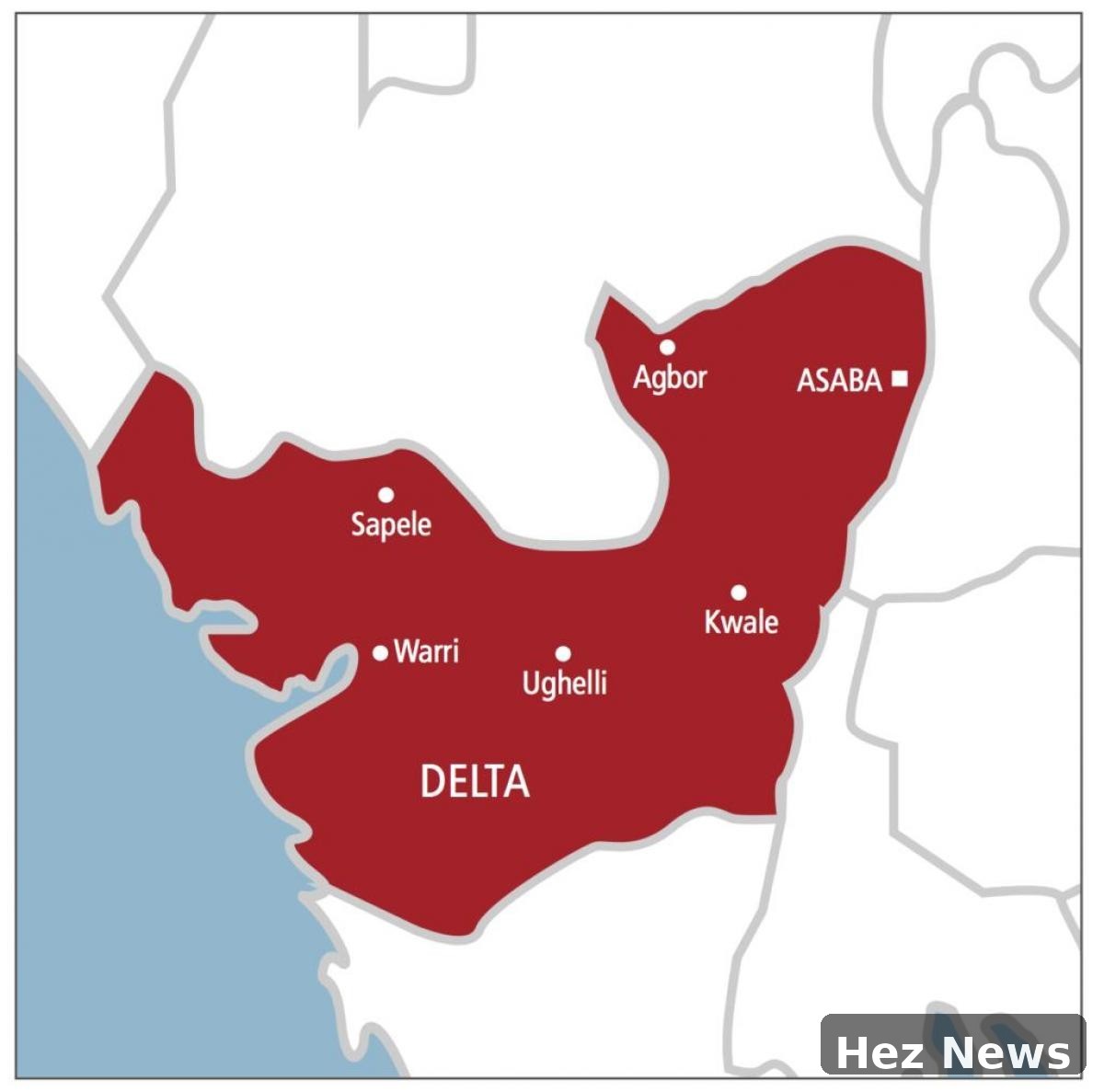
In a recent assessment, stakeholders within Nigeria's environmental sector have flagged climate change as a significant threat to both the economic livelihood and security of the Niger Delta region. This crucial insight comes amid growing concerns about the impact of environmental degradation on local communities.
The Unfolding Crisis
The Niger Delta, known for its rich biodiversity and vast oil reserves, is facing unprecedented challenges exacerbated by climate change. Rising sea levels, increased flooding, and changing rainfall patterns are leading to detrimental effects on agriculture, fishing, and other livelihoods that many communities rely on.
According to experts, the natural resources that have historically sustained the region’s economy are under threat. As saltwater intrusion affects freshwater resources, farmers are finding it increasingly challenging to cultivate crops, and fishermen are struggling to maintain their catches.
Impact on Security
Beyond economic challenges, the security implications of climate change are profound. As resources become scarce, competition among community members may lead to heightened tensions and conflicts. This situation is compounded by existing socio-political issues in the region.
Local leaders have voiced concerns that failure to address these environmental challenges could lead to increased unrest. “We are not only fighting for our livelihoods but also for peace in our communities,” stated a local activist during a recent forum on environmental sustainability.
Call to Action
In response to these growing concerns, various stakeholders, including government agencies, NGOs, and community leaders, are advocating for comprehensive strategies to combat climate change's effects. Initiatives such as sustainable agricultural practices, reforestation projects, and the promotion of renewable energy sources are being discussed as potential solutions.
Additionally, it is crucial for the Nigerian government to prioritize climate adaptation measures to protect vulnerable communities. Investment in infrastructure that can withstand climate impacts will be essential in safeguarding the future of the Niger Delta.
Conclusion
As Nigeria continues to grapple with the realities of climate change, the need for urgent action in the Niger Delta cannot be overstated. Collaborative efforts from all sectors of society are required to ensure that the region not only survives but thrives in the face of these challenges.




Leave a Comment