

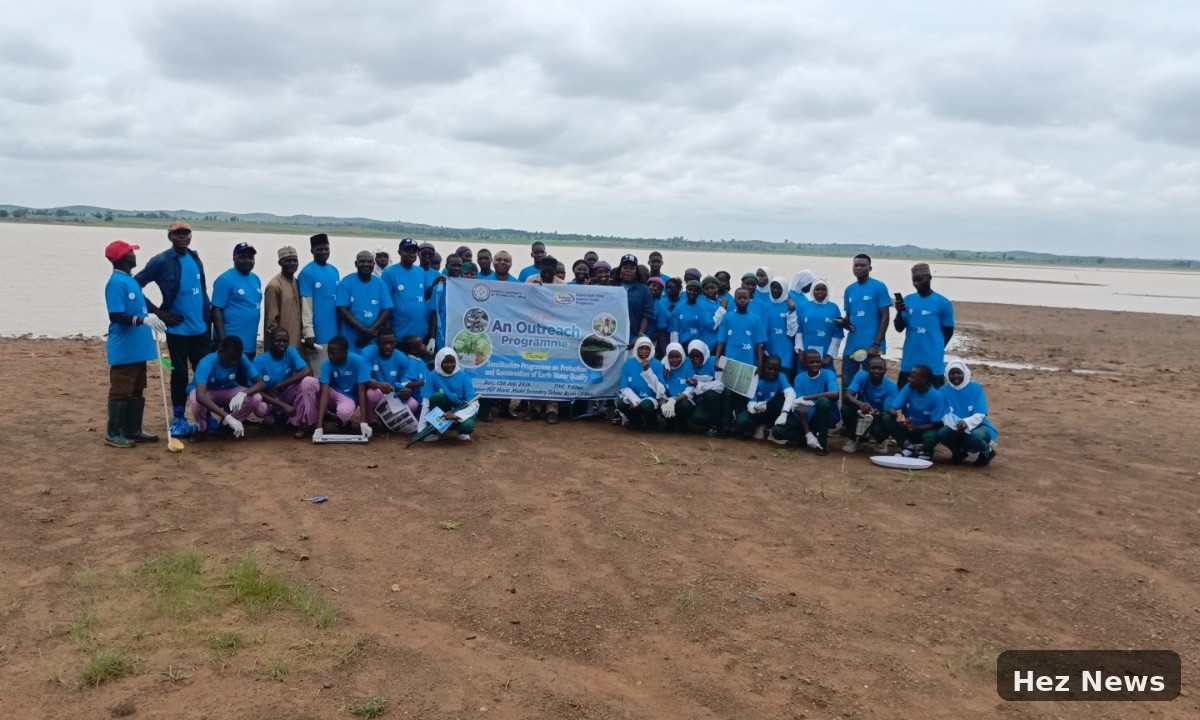
In recent times, experts have raised serious concerns about the deteriorating quality of water resources in Niger. Factors such as pollution, climate change, and various human activities are increasingly threatening the already fragile water systems.
Understanding the Threats
The water quality in Niger is facing multiple challenges. Pollution from industrial activities, agricultural runoff, and waste disposal are significant contributors to the degradation of water resources. Additionally, the impacts of climate change are becoming more pronounced, leading to altered rainfall patterns and increased temperatures, which further strain water supplies.
Impact on Communities
The implications of declining water quality are dire for local communities. Many households rely on natural water sources for drinking, cooking, and sanitation. As water becomes increasingly contaminated, the risk of waterborne diseases rises, posing a serious threat to public health. Experts warn that if immediate action is not taken, the situation could worsen, leading to widespread health crises.
Call to Action
In light of these challenges, experts are calling on both governmental and non-governmental organizations to prioritize water quality management. Investment in cleaner technologies and stricter regulations on waste disposal are crucial steps that need to be taken to protect Niger’s water resources.
Conclusion
As Niger grapples with these pressing challenges, it is essential for stakeholders at all levels to work collaboratively towards sustainable solutions. Ensuring clean and safe water for all is not just a necessity but a fundamental human right.




Leave a Comment