

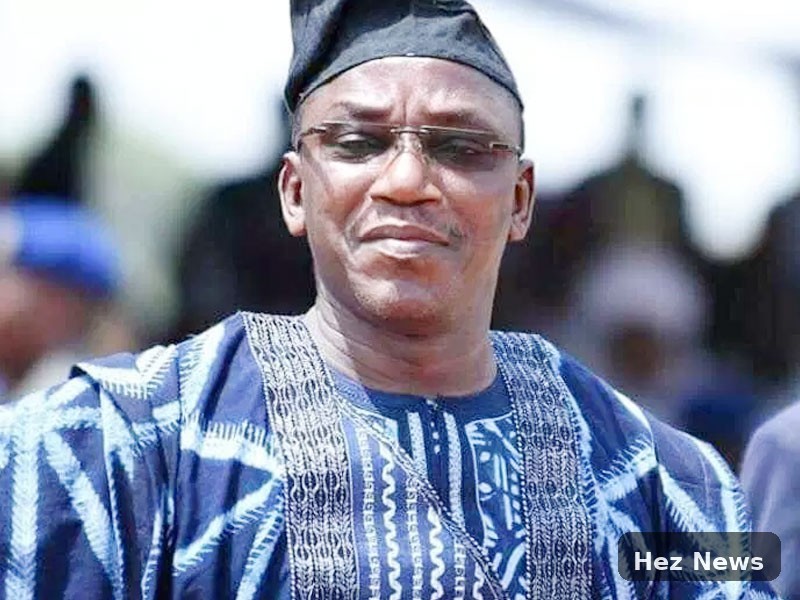
Former Minister and member of the All Progressives Congress (APC), Solomon Dalung, has voiced strong criticism regarding the recent commendations from the United States toward President Bola Ahmed Tinubu's approach to Nigeria's security challenges.
Context of US Praise
The United States has publicly praised President Tinubu for his security initiatives, claiming progress in addressing the rampant insecurity in Nigeria. However, Dalung argues that this praise is misplaced and does not accurately reflect the ground realities faced by Nigerians.
Dalung's Critique
In a recent statement, Dalung emphasized that while international recognition can be beneficial, it does not change the fact that many citizens continue to live in fear due to persistent violence from various groups, including Boko Haram and bandits. He remarked, “It is crucial to understand that the situation on the ground is dire, and no amount of international applause can overshadow the daily struggles of our people.”
The Security Landscape
Nigeria has been grappling with multifaceted security issues, ranging from terrorism in the Northeast to kidnapping and banditry across the northern and central regions. The government's efforts, while aimed at combating these issues, have often been met with skepticism from the populace.
Dalung pointed out that the realities on the ground tell a different story from the one projected by government officials and foreign entities. He urged the administration to focus on tangible solutions rather than relying on external endorsements.
Public Response
The public response to both the U.S. praise and Dalung's criticism has been mixed. Many Nigerians express frustration over the persistent insecurity and are skeptical of the government's effectiveness in managing the situation. Some believe that international recognition could spur more significant support and resources from abroad.
However, others echo Dalung's sentiments, emphasizing the need for a more grounded approach to security that prioritizes the safety and well-being of Nigerian citizens over political optics.
Conclusion
As Nigeria continues to navigate its security challenges, the dialogue surrounding the government's performance will be crucial. While international recognition can shine a light on efforts made, it is the lived experiences of the citizens that ought to drive policy decisions and reforms. Dalung's critique serves as a reminder of the importance of listening to the voices of the people in shaping effective governance.




Leave a Comment