

Overview of Fuel Prices in Nigeria
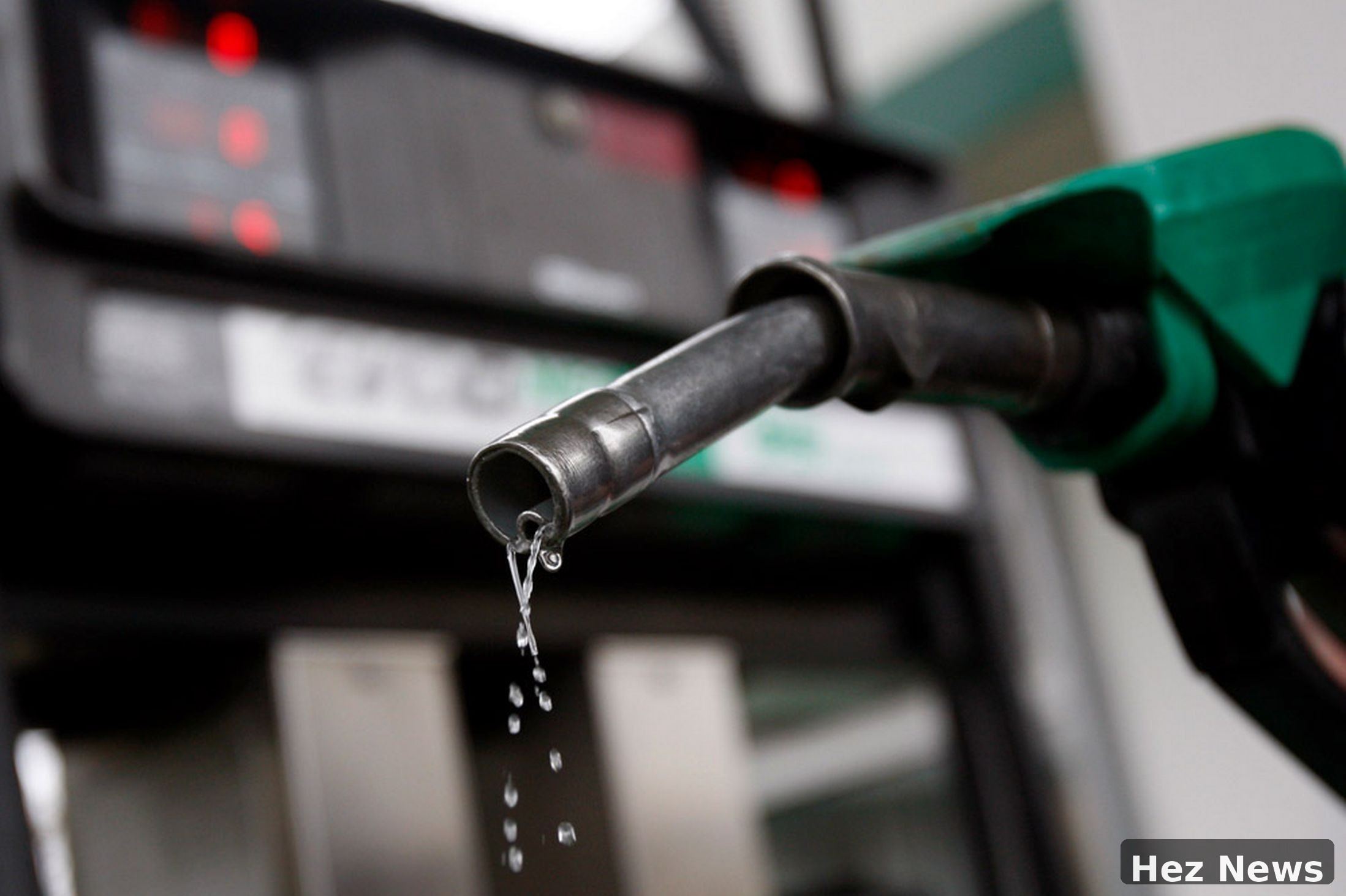
The recent resumption of operations at the Dangote Refinery has sparked discussions regarding the retail pump prices of fuel across Nigeria. As of now, the price of premium motor spirit (PMS), commonly known as petrol, has remained unchanged in several regions of the country, much to the relief of consumers.
Impact of Dangote Refinery's Resumption
The Dangote Refinery, which is one of the largest in Africa, began refining operations earlier this month. This development is pivotal as it promises to boost local fuel production significantly, potentially reducing Nigeria's reliance on imported fuel.
Despite the optimism surrounding the refinery's output, the price adjustments at the pump have not yet reflected any changes. Many are watching closely to see if this will lead to a decrease in fuel prices in the near future, especially considering the economic implications for Nigerians.
Consumer Reactions and Expectations
Consumers across Nigeria have expressed a mix of hope and skepticism regarding the impact of the refinery's operations on fuel prices. Some believe that the local production of refined products may lead to more stable prices, while others remain doubtful, citing past experiences where price fluctuations occurred regardless of local production levels.
“We hope this refinery will bring some relief to our pockets,” said a fuel station attendant in Lagos. “But we have seen situations where even with local production, prices still go up due to other factors.”
Government's Role in Regulating Prices
The Nigerian government has a crucial role to play in regulating fuel prices. With the recent policy changes aimed at deregulating the petroleum sector, the government is expected to monitor the market closely to ensure fairness and transparency.
Experts argue that while the Dangote Refinery can help stabilize supply, the government must also address underlying issues, such as pipeline vandalism and corruption, which have historically affected fuel distribution and pricing in Nigeria.
Conclusion
In conclusion, while the Dangote Refinery's operations have commenced and the current retail fuel prices remain unchanged, it remains to be seen how this development will influence the market in the long run. Stakeholders, including consumers, government officials, and industry experts, are keenly watching the situation as it unfolds, hoping for a more stable and affordable fuel market in Nigeria.




Leave a Comment