

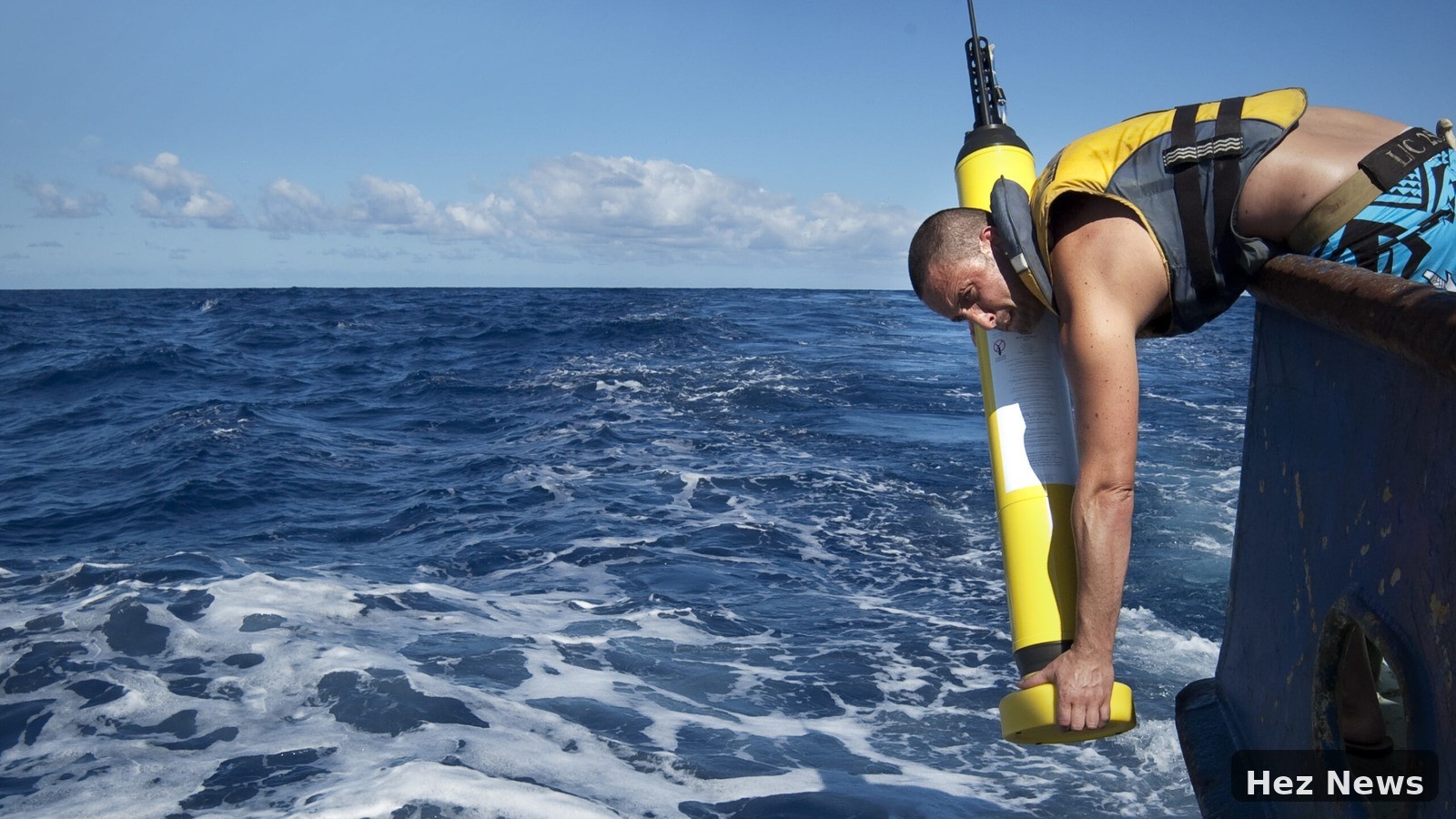
The oceans cover more than 70% of our planet, yet the data we have about them is surprisingly limited. This is about to change, thanks to advancements in drone technology and international collaboration. The Argo Program, which commenced in 1999, has been at the forefront of ocean data collection, utilizing a fleet of 4,000 data-collection floats deployed across the globe.
Understanding the Argo Program
The Argo Program was established to enhance our understanding of ocean dynamics through the deployment of autonomous floats that drift with the ocean currents. These floats collect critical data such as temperature and salinity down to depths of 2,000 meters, contributing significantly to climate research and weather forecasting.
The Future of Ocean Monitoring
Recent advancements suggest that by 2028, a new generation of drones could potentially cover up to 98 percent of the world’s oceans. This ambitious goal is fueled by technological innovations that enhance the efficiency and capability of these drones, allowing them to collect real-time data over vast areas.
Why This Matters for Nigeria
For Nigeria, which boasts a coastline of over 800 kilometers along the Atlantic Ocean, improved ocean data collection is crucial. The health of our marine ecosystems directly impacts the livelihoods of millions of Nigerians who depend on fishing and tourism. Enhanced understanding of ocean currents, temperature changes, and salinity levels could lead to better management of our fisheries and coastal resources.
Climate Change and Ocean Health
The implications of improved ocean monitoring are profound, especially in the context of climate change. As ocean temperatures rise and weather patterns shift, countries like Nigeria will face increased vulnerability to extreme weather events, rising sea levels, and changes in marine biodiversity.
By harnessing the power of these advanced drones, Nigeria can contribute to global efforts in monitoring and mitigating the impacts of climate change. The data collected can inform local policies and practices aimed at protecting our marine environments and ensuring sustainable use of ocean resources.
Conclusion
The future of ocean monitoring looks promising, with drones leading the way to a more comprehensive understanding of our oceans. As these technologies develop, it is essential for Nigerians to engage with these innovations, ensuring our coastal communities are prepared for the challenges ahead.




Leave a Comment