

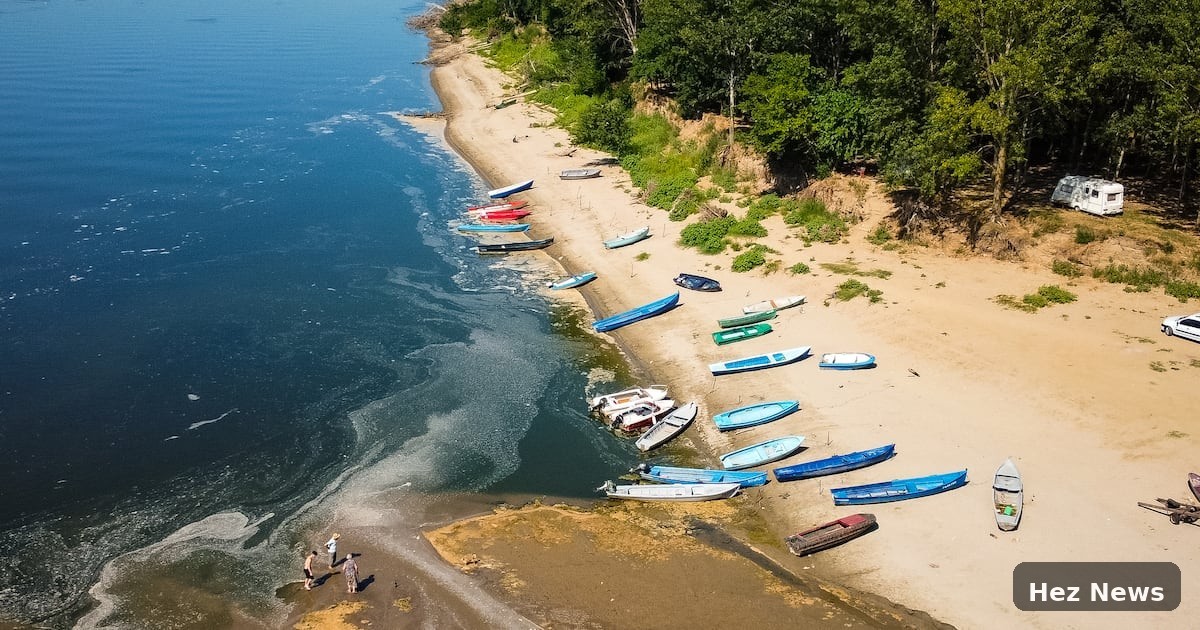
BUDAPEST, Hungary — The ongoing drought in Central Europe is impacting one of the continent's most significant waterways, the Danube River, resulting in unprecedented low water levels. This situation has raised alarms not only for local tourism but also for various industries reliant on this vital river.
As wildfires burn in southern Europe, including countries like France and Spain, a new heat wave is affecting the weather patterns across the region. The Danube, which flows through several countries, is experiencing its lowest water levels in recorded history, causing serious disruptions.
Impact on Tourism
The Danube River is a major attraction for tourists, offering scenic cruises, cultural experiences, and historical sites along its banks. With the water levels dropping significantly, many tour operators are forced to cancel or modify their itineraries, which has direct repercussions on local economies that depend on tourist spending. Hotels, restaurants, and local businesses are feeling the pinch, as fewer tourists mean less revenue.
Industrial Disruptions
Beyond tourism, industries that utilize the Danube for the transportation of goods are also facing challenges. The reduced water levels hinder the movement of cargo ships, leading to delays and increased costs for businesses. This could potentially have a ripple effect on supply chains, particularly for goods transported between Central Europe and Nigeria, where trade connections are vital.
Climate Change Concerns
The current drought is a stark reminder of the ongoing challenges posed by climate change. As temperatures rise and weather patterns become more erratic, regions that rely heavily on natural water bodies face increasing risks. For Nigeria, which has its share of climate-related challenges, the situation in Europe highlights the interconnectedness of global climate impacts.
Looking Ahead
Authorities in Central Europe are urged to implement strategies aimed at mitigating the effects of such droughts in the future. This includes investment in sustainable water management practices, public awareness campaigns about conservation, and international cooperation to address climate change issues. For Nigerians observing these developments, it serves as a crucial lesson in the need for proactive measures to safeguard natural resources.
As the situation evolves, it remains to be seen how Central Europe will adapt to these environmental challenges and what measures will be put in place to support affected communities.





Leave a Comment