


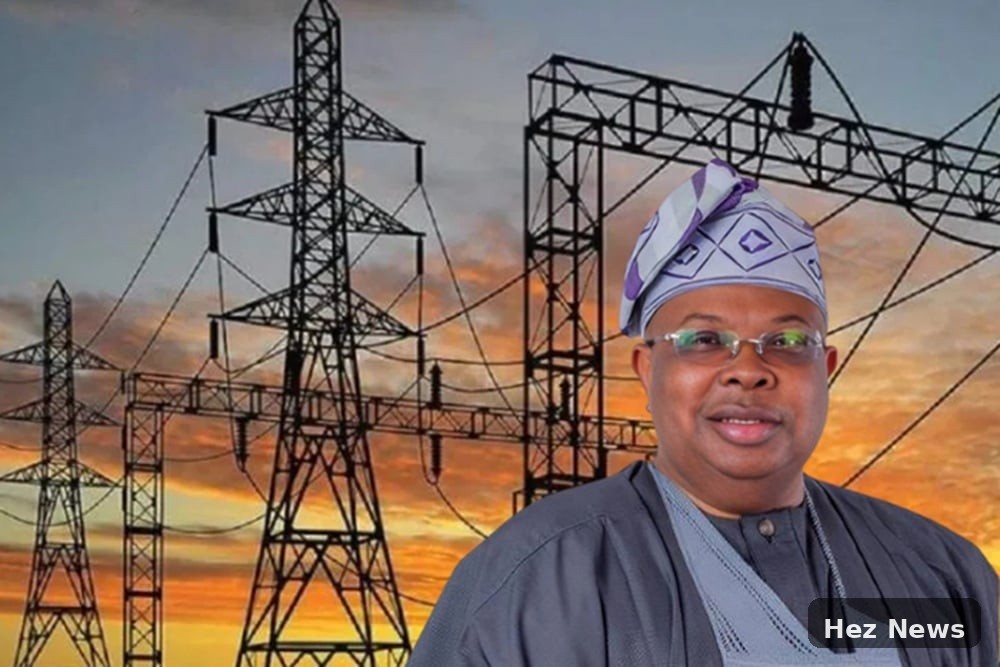
In a bold assertion, Ayodele Fayose, the newly appointed Managing Director of the Rural Electrification Agency (REA), has proposed a thought-provoking theory: the lack of electricity in Nigeria is contributing to the country's population boom. This claim raises significant questions about the intersection of energy availability and demographic trends in the nation.
The Power of Darkness
Fayose's remarks stem from a common experience faced by many Nigerians—power outages that often plunge households into darkness by 7 p.m. every day. According to him, the inability to access reliable electricity leads to extended evening hours of idleness, which, in turn, fosters an environment where family sizes grow larger.
Understanding the Context
Nigeria, a country with a population exceeding 200 million, has been grappling with chronic electricity shortages that have plagued its development for decades. Despite being rich in oil and gas resources, the nation has struggled to provide consistent and affordable power to its citizens, resulting in widespread reliance on alternative energy sources such as generators.
Linking Electricity to Population Dynamics
Fayose's theory suggests that as families are left with little to do in the absence of electricity, they may be more inclined to have more children. This phenomenon can be understood in the context of traditional Nigerian values, where larger families are often seen as beneficial for social and economic support.
However, the implications of this theory are multifaceted. While it may highlight a cultural inclination towards larger families, it also underscores the urgent need for improved infrastructural development in the energy sector. Ensuring that Nigerian households have access to reliable electricity could not only enhance quality of life but also influence family planning decisions.
Government Response and Future Outlook
In response to Fayose's comments, government officials are urged to prioritize the expansion of the electricity grid and invest in renewable energy solutions. The REA has been tasked with improving electricity access in rural areas, which could potentially alleviate some of the challenges associated with population growth.
Experts agree that addressing the energy crisis is fundamental to fostering economic growth and stability. By providing consistent electricity, the government can create an environment conducive to education, employment, and ultimately, informed family planning.
Conclusion
As Nigeria continues to navigate the complexities of population growth amidst energy shortages, Ayodele Fayose’s assertions serve as a crucial reminder of the intertwined nature of electricity availability and demographic trends. Moving forward, the focus must remain on sustainable solutions that empower families while ensuring the nation's progress.





Leave a Comment