

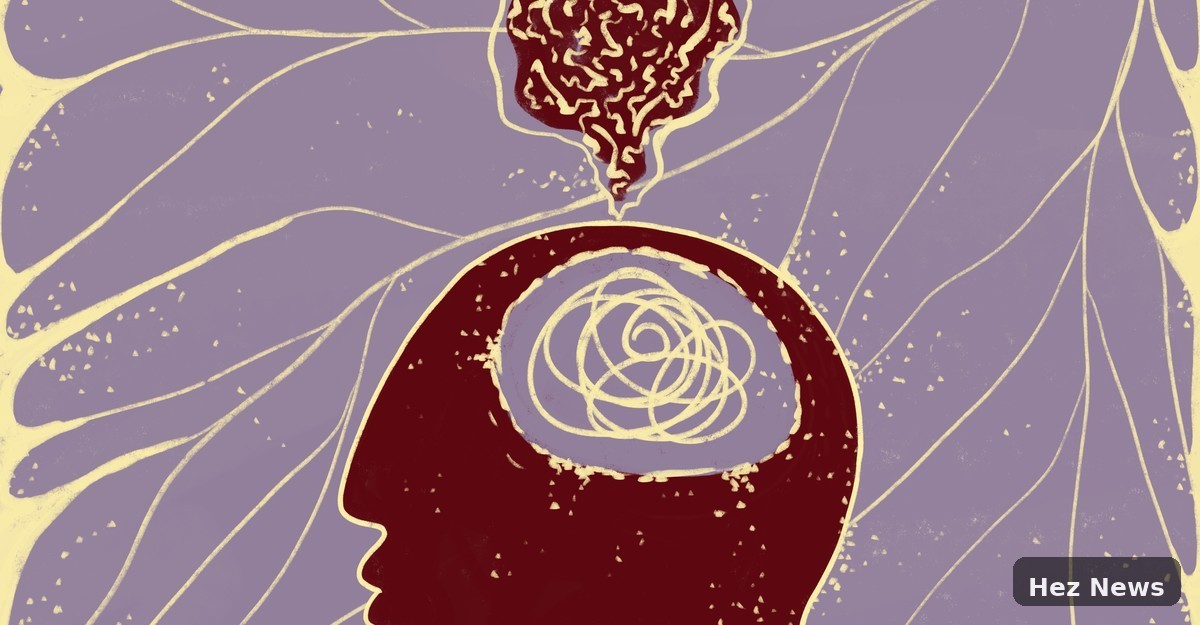
In a world that constantly pushes us towards acquiring more knowledge, the phrase “I don’t know” often feels uncomfortable. We live in a society where information is readily available, and the pressure to be knowledgeable can be overwhelming. However, acknowledging our limitations can sometimes be more beneficial than the pursuit of endless facts.
The Burden of Knowledge
From a young age, Nigerians are taught the importance of education and knowledge. Whether it's in the classroom, at home, or in the workplace, there is a prevailing expectation to have answers. This pressure can lead to an environment where individuals feel they must always perform or provide solutions, even when they lack the necessary information.
The Power of Uncertainty
In contrast, embracing uncertainty can foster a sense of humility and openness. When we admit that we do not have all the answers, we create space for dialogue and collaboration. This is especially relevant in Nigeria, where diverse cultures and opinions thrive. By acknowledging that we don't know everything, we invite others to share their perspectives, leading to richer discussions and innovative solutions.
Learning to Say “I Don’t Know”
It can be difficult to say “I don’t know”, but there are practical steps we can take to become more comfortable with this phrase:
- Practice humility: Recognize that everyone has gaps in their knowledge.
- Encourage dialogue: Foster an environment where questions are welcomed, and knowledge sharing is encouraged.
- Be open to learning: Use uncertainty as a springboard for further exploration and growth.
By adopting these practices, not only can we enhance our personal growth, but we can also contribute positively to our communities.
Navigating the Information Age
In the digital age, where information is abundant yet often conflicting, the ability to discern what we know and what we don't is crucial. Nigerians, like many around the world, face an overwhelming amount of content online. Learning to navigate this landscape requires critical thinking and an openness to admit when we lack clarity.
Conclusion
Ultimately, the wisdom of uncertainty can lead to greater understanding and collaboration. By embracing the unknown, we can foster a culture that values questions as much as answers, which can be particularly empowering in the context of Nigeria’s diverse society. So the next time you find yourself unsure, remember that saying “I don’t know” is not a weakness, but rather an opportunity for growth and connection.




Leave a Comment