
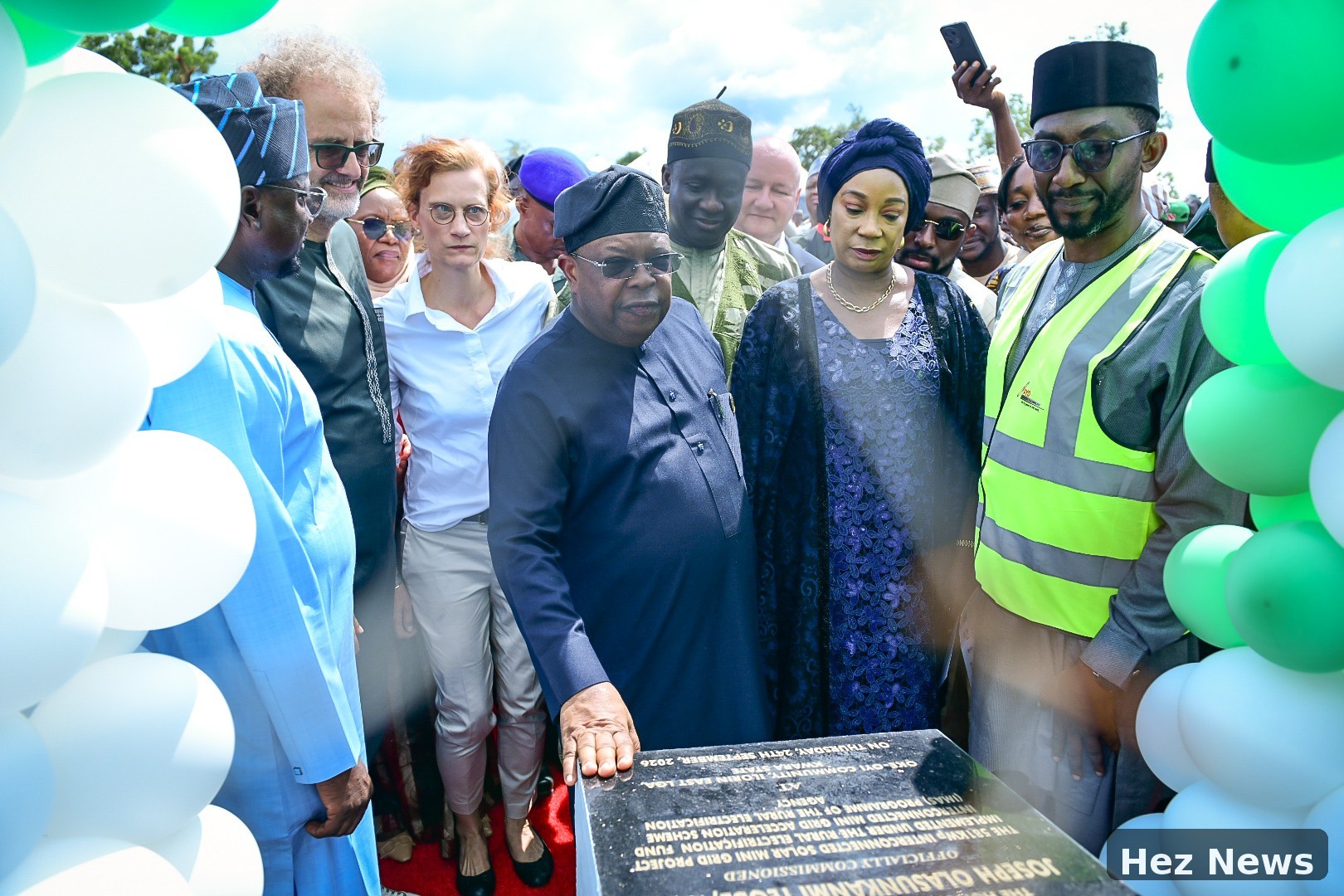
The European Union (EU), alongside Germany and the Nigerian Federal Government, has officially launched a new 581kW interconnected solar mini-grid in Kwara State. This initiative aims to enhance electricity access in the region, particularly for rural communities.
Significance of the Solar Mini-Grid
With the ongoing challenges of electricity supply in Nigeria, this project represents a significant step towards sustainable energy solutions. The solar mini-grid will not only provide power for households but also support local businesses, thereby contributing to economic growth.
Collaboration for Development
This project is the result of a collaborative effort between multiple stakeholders, aiming to address energy deficits and promote renewable energy sources across Nigeria. The EU and Germany have been active partners in fostering sustainable development in the country, providing technical and financial support for numerous projects.
Impact on Local Communities
The commissioning of the solar mini-grid is expected to have a transformative impact on the communities it serves. Residents will gain access to reliable electricity, which is crucial for education, healthcare, and business operations. This development aligns with Nigeria's broader goal of increasing energy access and promoting environmental sustainability.
Future Prospects
As more solar projects emerge across Nigeria, there is hope that these initiatives will pave the way for a more resilient energy infrastructure. Stakeholders believe that with continued investment and support, renewable energy can play a pivotal role in Nigeria’s energy landscape.
Conclusion
The commissioning of the solar mini-grid in Kwara State is more than just a local achievement; it is a part of Nigeria's commitment to embracing renewable energy solutions. As the nation grapples with energy challenges, projects like this one are essential in moving towards a sustainable future.




Leave a Comment