


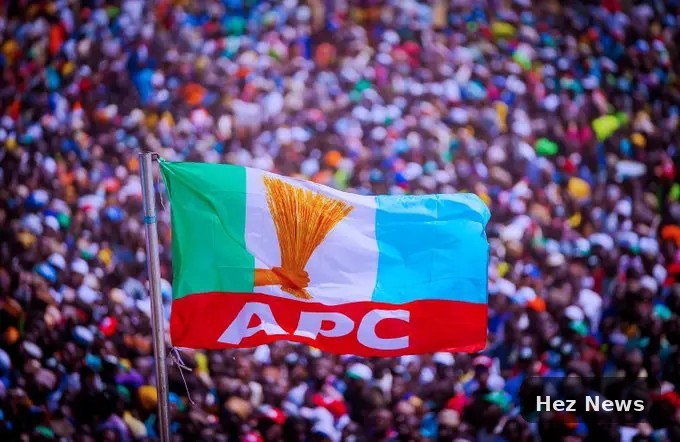
The recent elections in Osun State have come under scrutiny as the European Union Support to Democratic Governance in Nigeria Election Observation Hub (EU-SDGN EOH) raised concerns regarding the delayed commencement of voting and technical challenges with the Bimodal Voter Accreditation System (BVAS).
Delayed Voting Raises Eyebrows
Voter turnout is crucial in any democratic process, and delays can significantly impact the electoral outcome. Observers noted that many polling units opened later than scheduled, leading to frustrations among voters who arrived early to cast their votes. Some voters reported waiting for hours before the process began, raising questions about the efficiency of the electoral system in place.
Technical Challenges with BVAS
In addition to delays, the EU-SDGN EOH highlighted issues with the BVAS, which is designed to enhance transparency and credibility in the voting process. The system faced technical glitches that hindered its functionality in various locations, causing further delays and confusion among voters and electoral officials alike.
Context of the Election
This election is particularly significant as it follows a series of reforms aimed at improving Nigeria's electoral process. The introduction of the BVAS was intended to curb electoral malpractice and ensure that voters' identities are accurately verified. However, the recent challenges have sparked discussions on the readiness of the electoral body to implement such a critical technology.
Reactions from Stakeholders
Political analysts and stakeholders in Nigeria have expressed mixed reactions to the observations made by the EU observers. While some commend the EU for its oversight role, others criticize the Independent National Electoral Commission (INEC) for not adequately preparing for the election.
Many citizens have taken to social media to voice their concerns, with hashtags trending that highlight their frustrations regarding the electoral process. The situation underscores the ongoing challenges faced by Nigeria's electoral system and the urgent need for reforms.
Looking Ahead
As the dust settles on the Osun elections, the observations made by the EU-SDGN EOH will likely influence future electoral policies and practices in Nigeria. The call for a more efficient voting system resonates with many Nigerians who desire a seamless electoral experience.
Ultimately, the success of any democracy hinges on the integrity of its electoral process. As Nigeria moves forward, the lessons learned from the Osun elections will be pivotal in shaping the future of governance in the country.
Leave a Comment