

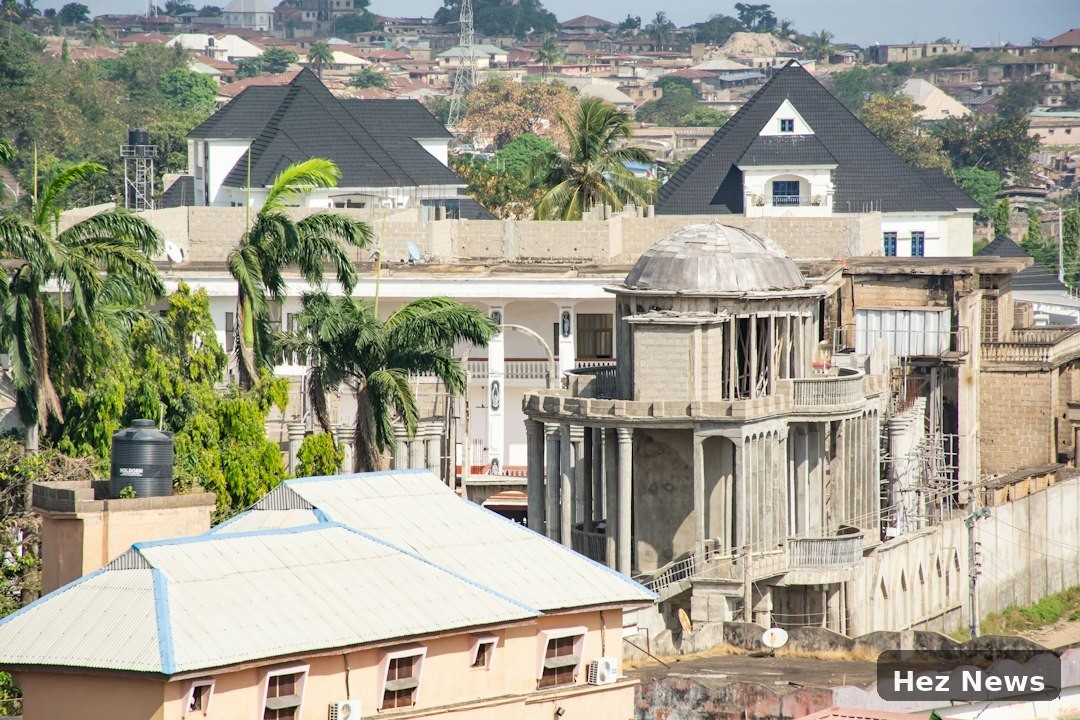
Architecture is a powerful medium that often reflects the cultural narratives of a region, and this month, significant discussions are emerging from Latin America regarding the interplay between inhabitation and cultural heritage. As architects across the region engage in a dialogue about how modern structures can harmonize with historical contexts, the implications of these conversations extend even to nations like Nigeria, where the balance between tradition and modernity is similarly significant.
The Buenos Aires International Architecture Fair
One of the most notable events this month is the Buenos Aires International Architecture Fair, which showcases a diverse range of architectural innovations that seek to intertwine contemporary living with the rich tapestry of cultural heritage. This fair not only highlights the achievements of local architects but also serves as a platform for international exchange, drawing interest from global stakeholders fascinated by Latin America's unique architectural landscape.
Bridging Tradition and Modernity
In cities like Buenos Aires, architects are exploring how to incorporate local materials and traditional designs into modern buildings. This approach not only preserves the cultural identity of neighborhoods but also promotes sustainability by using resources that are readily available. For Nigerian audiences, this resonates deeply, as similar efforts are underway in various parts of Nigeria, where urbanization is transforming landscapes while still needing to respect indigenous cultures.
The Role of Community Engagement
Another critical aspect of this month's architectural discussions is the emphasis on community engagement. Architects are increasingly recognizing the importance of involving local populations in the design process. This trend is vital in Nigeria, where community input can lead to more functional and culturally relevant structures. By fostering a sense of ownership and pride among residents, these projects not only enhance the aesthetic appeal but also improve the quality of life.
Architectural Education and Heritage Preservation
Educational institutions across Latin America are also playing a pivotal role in shaping the future of architecture. Students are being trained to think critically about how their designs impact cultural heritage. This educational focus is essential for young Nigerian architects, who can learn from these international examples to foster innovation while respecting local traditions.
Conclusion
The conversations taking place in Latin America this month offer valuable lessons for Nigeria and other nations grappling with the challenges of modern architecture. By prioritizing cultural heritage and community involvement, architects can create spaces that not only serve contemporary needs but also honor the past. As Nigeria continues to develop its urban centers, the lessons learned from these discussions could pave the way for more integrated and culturally resonant architectural practices.






Leave a Comment