

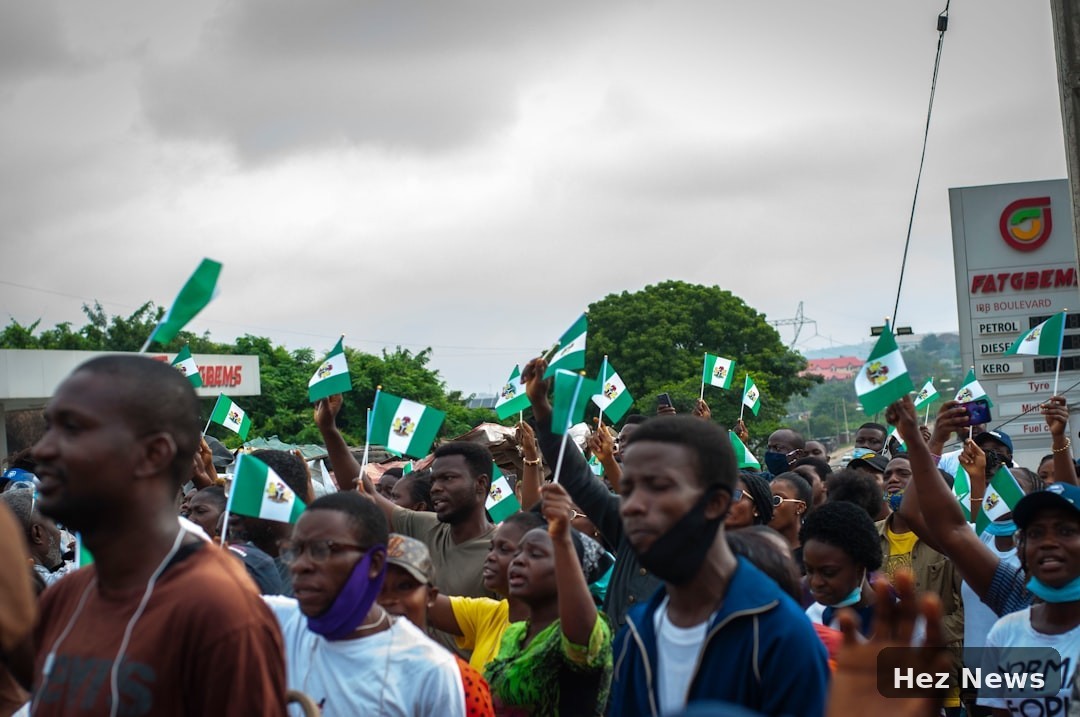
In a world filled with chaos and uncertainty, poetry often serves as a mirror reflecting our innermost struggles and emotions. The recent poem by an emerging voice from Nigeria captures this essence beautifully, resonating with themes of conflict, redemption, and the tireless journey of self-discovery.
The Power of Poetry in Capturing Human Experience
Poetry is more than just words; it is an art form that encapsulates the complexities of human experience. The poet, whose journey takes them to the ancient village of Gohaldia, uses vivid imagery and relatable metaphors to draw parallels between nature’s fury and the human condition. The poem begins with a striking line:
“a storm / like us / raging / like us”
This opening sets the tone for a reflection on how the chaos of nature mirrors the turbulent emotions we often face. The repetitive use of the phrase “like us” emphasizes the shared experience of struggle, suggesting that just as storms arise and pass, so do our challenges.
Finding Solace in Shared Struggles
The poem progresses through a series of emotions—ruthless, repenting, and ultimately wearying. It speaks to the cyclical nature of human existence, where we rise, fall, and rise again. This cycle is one that many Nigerians can relate to, particularly in a nation that has faced its fair share of adversities.
In a time where societal issues such as political instability, economic challenges, and social injustices loom large, poetry becomes a tool for healing. It allows individuals to confront their fears and find hope in the shared human experience.
Contextualizing the Poet's Journey
The poet’s journey to Gohaldia, an ancient village, is symbolic. It reflects a quest for understanding and connection with one’s roots. In Nigerian culture, there is immense value placed on history and heritage. The poet's exploration of this village serves as a reminder of the importance of looking back to move forward.
As the poem concludes with the poignant line “unlike us,” it leaves the reader with a sense of introspection—prompting thoughts about resilience and the quest for peace in a tumultuous world.
Conclusion: Embracing Our Imperfections
In essence, poetry allows us to embrace our imperfections. It sheds light on the struggles that unite us as humans, reminding us that we are not alone in our journey. As we reflect on our own lives, let us find solace in the words of poets who bravely articulate what many feel but cannot express.
In a world that often feels overwhelming, let us hold onto the hope that springs from our shared experiences, just as the poet conveys through their powerful words.



Leave a Comment