

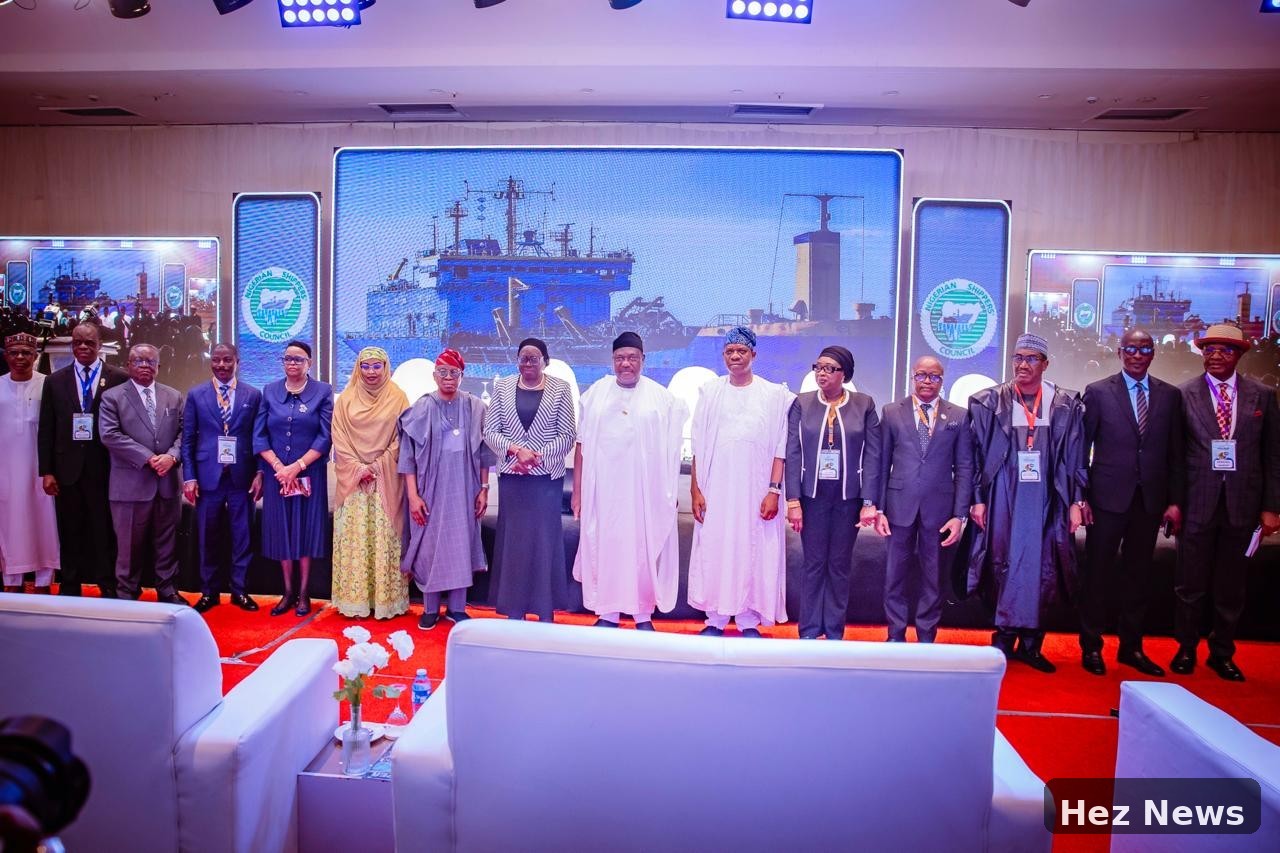
The Federal Government of Nigeria has made a significant commitment to enhancing the blue economy through the implementation of actionable recommendations stemming from the 18th International Maritime Seminar for Judges. This initiative aims to create a more efficient maritime justice system, which is crucial for the development of Nigeria's vast marine resources.
Understanding the Blue Economy
The blue economy refers to the sustainable use of ocean resources for economic growth, improved livelihoods, and jobs while preserving the health of ocean ecosystems. With Nigeria's extensive coastline and rich maritime resources, the government recognizes the potential of the blue economy in driving economic diversification and creating job opportunities.
Maritime Justice as a Catalyst
In recent years, Nigeria has faced numerous challenges in the maritime sector, including piracy, illegal fishing, and environmental degradation. These issues not only threaten the livelihoods of coastal communities but also hinder the country's economic progress. By prioritizing maritime justice, the government seeks to establish a legal framework that effectively addresses these challenges.
The seminar, which gathered judges and maritime experts from around the globe, provided a platform to discuss essential maritime laws and judicial practices. The actionable recommendations that emerged from the seminar are expected to enhance the efficiency of maritime courts, thereby fostering a more secure and sustainable maritime environment.
Government Commitment and Next Steps
The Federal Government has reiterated its commitment to implementing these recommendations swiftly. Officials have stated that they will work closely with stakeholders in the maritime industry, including shipping companies, fishing communities, and environmental organizations, to ensure a collaborative approach towards achieving these goals.
Moreover, the government plans to invest in the training of judicial officers and law enforcement agencies to equip them with the necessary skills and knowledge to handle maritime cases effectively. This move is expected to not only improve the legal framework but also enhance the overall safety and security of Nigeria's waters.
Impact on Local Communities
The implications of an efficient maritime justice system are far-reaching. For local communities, especially those dependent on fishing and marine resources, a robust legal framework will provide greater security against illegal activities, ensuring their livelihoods are protected. Furthermore, by promoting sustainable practices, the government aims to safeguard the marine ecosystem for future generations.
As Nigeria moves forward with these initiatives, it is crucial for the public to remain informed and engaged in discussions surrounding the blue economy and maritime justice. Awareness and participation can significantly contribute to the successful implementation of these reforms.
Conclusion
The Federal Government's focus on unlocking the blue economy through efficient maritime justice is a commendable step toward sustainable development. By addressing the existing challenges and fostering a collaborative approach, Nigeria has the potential to transform its maritime sector into a robust economic driver.






Leave a Comment