

The global discourse surrounding the transatlantic slave trade has shifted significantly this year, with Ghana emerging as a pivotal player in the demand for reparations. This shift marks a crucial moment in acknowledging the historical injustices faced by millions.
Ghana as a Central Figure
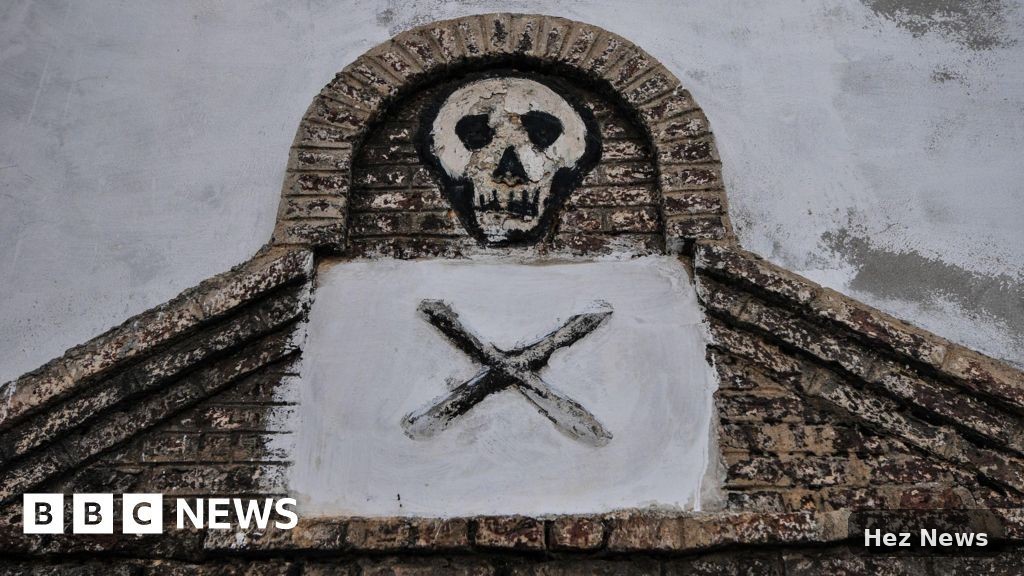
Ghana has been referred to as the "crime scene" of the transatlantic slave trade, a term that underscores its historical significance in this harrowing chapter of human history. This West African nation is now at the forefront, advocating for formal apologies, debt relief, and financial reparations for the descendants of those who suffered.
The Call for Justice
The renewed calls for reparations are not merely a matter of financial compensation; they are about recognizing the profound impact that slavery has had on African nations and their diasporas. As the conversation gains traction, Ghana's leadership is pushing for a formal global acknowledgment of these historical injustices.
International Response
Countries worldwide are beginning to engage with Ghana's demands, recognizing that the legacy of slavery continues to affect socio-economic conditions in African countries. The recent discussions at various international forums have highlighted the importance of reparative justice, aiming to pave the way for equitable relations between African nations and former colonial powers.
Nigeria's Role in the Narrative
For Nigeria, which has its own historical ties to the slave trade, the conversation is particularly poignant. The call for reparations resonates with many Nigerians who view it as a step towards addressing the long-standing inequalities that have arisen from colonial exploitation. Experts argue that Nigeria, as one of Africa's largest economies, should also take an active role in supporting Ghana's initiatives and advocating for reparations.
Conclusion
The demand for reparations is not just a Ghanaian issue; it is a broader African concern that requires solidarity and concerted effort. As conversations continue to evolve, it remains essential for Nigeria and other African nations to engage actively in dialogue, pushing for justice and recognition of the past atrocities faced by their ancestors.






Leave a Comment