

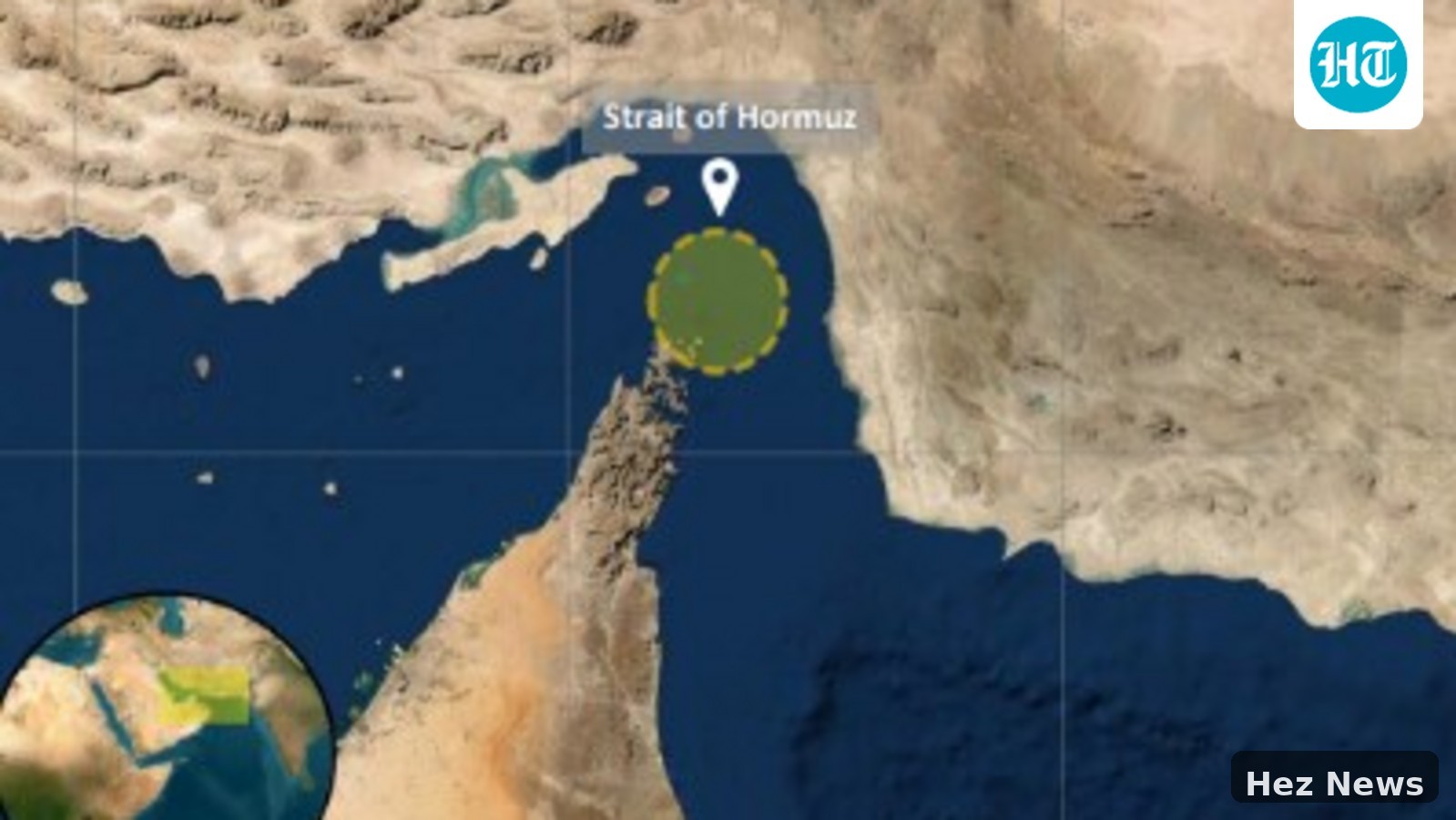
The Strait of Hormuz, a crucial passage for global oil and gas shipments, has witnessed a troubling incident involving three vessels, including crude oil and LNG tankers, reportedly struck by unidentified projectiles. This alarming event has occurred against the backdrop of escalating tensions between the United States and Iran, further complicating the already volatile situation in the region.
Context of the Incident
The Strait of Hormuz is a vital chokepoint for oil transport, with approximately 20% of the world's oil passing through it. The area has been a focal point of conflict, especially following the ongoing disputes between the U.S. and Iran. Recent military maneuvers and sanctions have heightened fears of potential conflict, making the waters increasingly dangerous for commercial shipping.
Details of the Attack
On Wednesday, reports emerged that the three ships were struck by projectiles, although the origin of these attacks remains unclear. Iranian officials have stated that they are investigating the matter, and have expressed concern over the safety of maritime navigation in the strait.
This incident raises significant concerns for Nigeria, one of Africa's largest oil producers, as disruptions in the Strait of Hormuz could lead to fluctuations in global oil prices. Nigerian oil exports are closely linked to international market dynamics, making the country vulnerable to such geopolitical tensions.
Nigeria's Oil Export Landscape
Nigeria's economy is heavily dependent on oil exports, which account for a substantial portion of the nation’s revenue. Any instability in global oil supply routes, particularly in the Strait of Hormuz, could impact Nigeria's oil sector and, by extension, its economy. The Nigerian government and stakeholders in the oil industry are likely monitoring the situation closely.
International Reactions
International bodies and governments have expressed concern over the rising tensions in the region. The U.S. Navy has increased its presence in the area to ensure the safety of commercial vessels. In contrast, Iran has warned against further military interventions, asserting its right to defend its territorial waters.
Nigeria's representatives in the international community may seek to advocate for stability in the region, emphasizing the importance of safe maritime operations for all oil-exporting nations.
Conclusion
The attack on these vessels serves as a stark reminder of the fragility of global oil trade routes and the potential repercussions for countries like Nigeria. As the situation develops, stakeholders in the oil sector must remain vigilant and prepared for any potential impacts on their operations.






Leave a Comment