

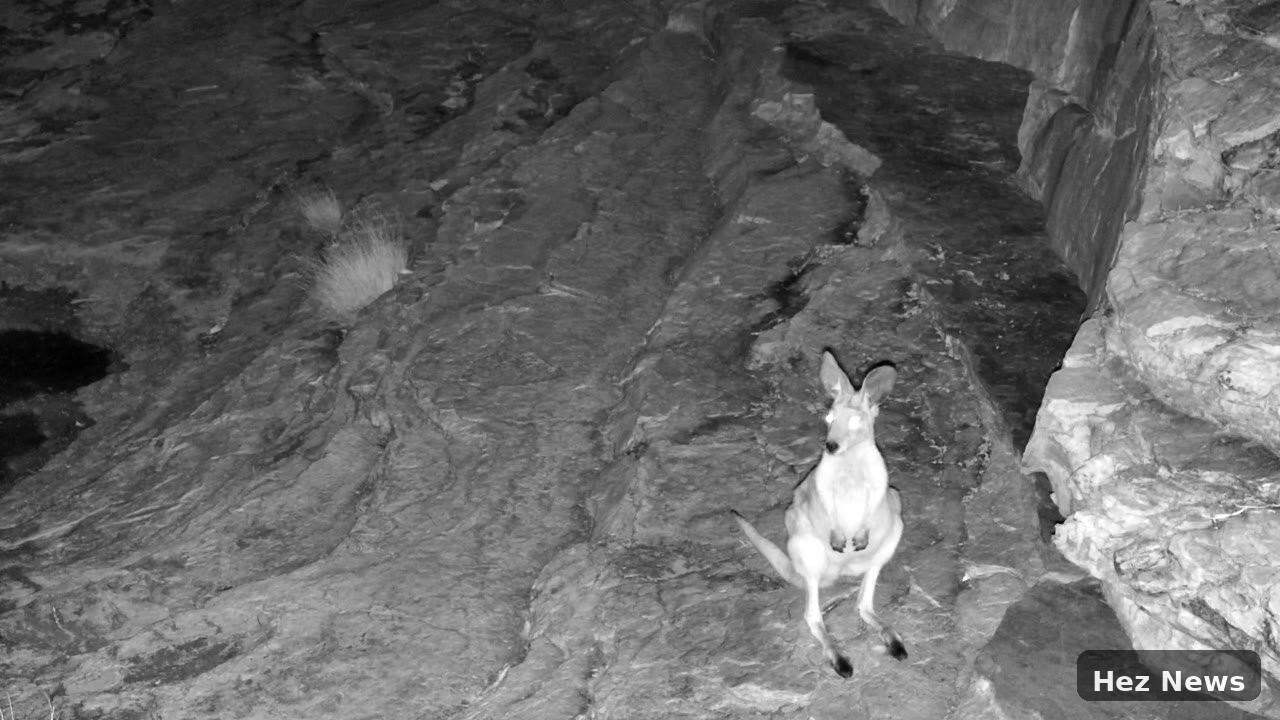
A new initiative is allowing people worldwide to witness the beauty of wildlife in real time through a livestream from a remote waterhole in the Northern Territory of Australia. This unique project aims to bridge the gap between distant ecosystems and global audiences.
Connecting the World to Nature
The livestream, hosted on YouTube, features the waterhole located in Watarrka National Park, situated in Central Australia. This area is known for its arid environment, yet it serves as a vital resource for diverse wildlife. Viewers can observe animals as they come to drink water, offering a rare glimpse into the natural behaviors of species that thrive in this harsh landscape.
Why This Matters
For many, especially those in urban settings like Nigeria’s bustling cities, this livestream represents an important opportunity to connect with nature. As urbanization increases, opportunities to engage with wildlife diminish. This project not only promotes environmental awareness but also enhances global appreciation for biodiversity.
Impact on Conservation Efforts
The livestream is part of a broader movement to utilize technology in conservation. By showcasing this remote waterhole, the project encourages viewers to recognize the importance of protecting such ecosystems. Conservationists argue that increased visibility can lead to greater support for environmental initiatives worldwide, including in Nigeria, where wildlife conservation remains a pressing issue.
How to Tune In
Interested viewers can access the livestream via YouTube, where the feed runs continuously, showcasing various times of the day and the wildlife that frequents the waterhole. This project not only highlights the beauty of Australia’s natural landscapes but also serves as a reminder of the critical need for sustainable practices to protect such environments.
A Global Perspective
While this initiative is rooted in Australia, it has implications for wildlife conservation efforts in Nigeria and beyond. As global citizens, we share the responsibility of protecting our planet's biodiversity. Engaging with such projects fosters a sense of collective responsibility and encourages us to advocate for wildlife conservation in our own regions.
Conclusion
The livestream of the Watarrka waterhole is more than just a window into a remote part of the world; it is a call to action for all of us to support wildlife conservation efforts. As Nigerians, we can draw parallels with our unique ecosystems and the importance of preserving them for future generations.





Leave a Comment