

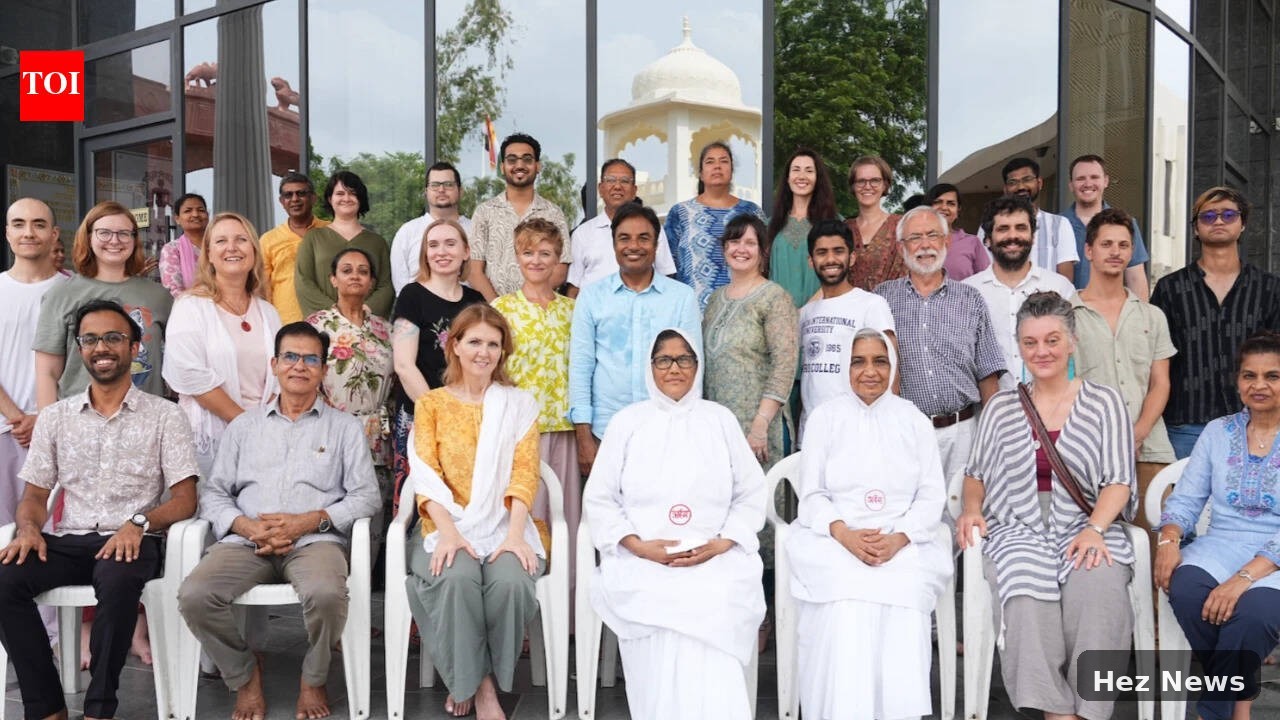
Ladnun, Rajasthan - On July 29, students from various countries gathered to participate in the Jain Summer Program held at Jain Vishwa Bharati in Ladnun, a town approximately 370 kilometers from Delhi. This unique program aims to immerse participants in the rich traditions and philosophies of the Jain way of life, which emphasizes non-violence and respect for all living beings.
The program attracted a diverse group of students seeking to learn more about Jainism, its teachings, and its practices. Ladnun, known for its historical significance and religious importance among Jains, provided an ideal backdrop for this educational experience. The serene environment, coupled with the warm hospitality of the local community, created a conducive atmosphere for learning.
Understanding Jain Philosophy
Jainism, one of the oldest religions in the world, advocates for principles of ahimsa (non-violence), anekantavada (multiple viewpoints), and aparigraha (non-possessiveness). Participants were engaged in various activities, including workshops, discussions, and cultural exchanges that illuminated these core tenets.
In a world increasingly divided by cultural and ideological differences, understanding and embracing the Jain philosophy can offer valuable insights into peaceful coexistence. Students from Nigeria and other nations expressed how the teachings resonated with their own values and beliefs, particularly in today's turbulent global landscape.
Activities and Experiences
The Jain Summer Program included a series of interactive sessions led by esteemed Jain scholars and practitioners. Participants had the opportunity to engage in traditional rituals, partake in meditation sessions, and explore the principles of vegetarianism and sustainable living that are integral to Jain practices.
Many students shared their experiences, noting how the program allowed them to reflect on their lifestyles and consider more compassionate choices. For Nigerian students, this was particularly relevant, as discussions around ethical consumption and environmental sustainability are gaining momentum within the country.
Cultural Exchange and Global Community
The event not only served as an educational platform but also fostered a sense of community among participants from different backgrounds. Group activities encouraged collaboration and dialogue, leading to lasting friendships and a shared commitment to promoting peace and understanding.
As Nigeria continues to embrace multiculturalism, initiatives like the Jain Summer Program highlight the importance of global interconnectedness and the role of education in bridging cultural divides. Many participants intend to take their newfound knowledge back home, using it to foster discussions around cultural respect and ethical living within their communities.
Conclusion
The Jain Summer Program in Ladnun exemplifies the power of education in promoting cross-cultural understanding and compassion. As students return to their respective countries, they carry with them not only knowledge of Jainism but also a commitment to embracing diversity and fostering peace in their everyday lives. Such initiatives are vital in a world that increasingly needs voices advocating for tolerance and harmony.






Leave a Comment