

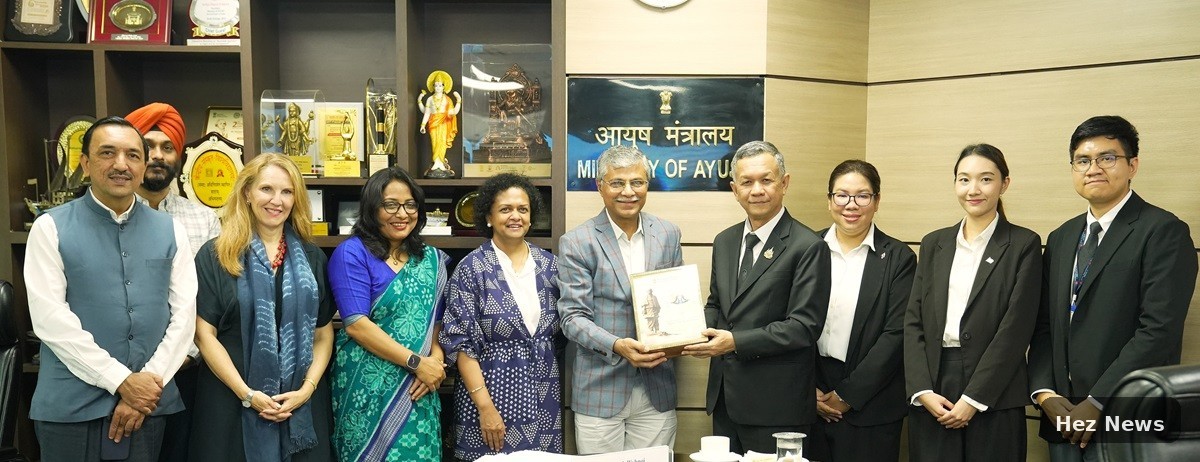
The Third WHO Global Summit on Traditional Medicine is scheduled to take place from November 10 to 12, 2027, in Bangkok, Thailand. This pivotal event aims to gather global leaders, researchers, and practitioners to discuss and promote the role of traditional medicine in enhancing health systems worldwide.
As Nigeria continues to explore the integration of traditional medicine into its healthcare framework, this summit presents an opportunity for Nigerian stakeholders to engage with international experts and contribute to the global discourse. The focus will be on advancing evidence-based traditional medicine practices and ensuring they are accessible to all segments of society.
Understanding Traditional Medicine
Traditional medicine, which includes practices such as herbal remedies, acupuncture, and indigenous healing techniques, has been a significant part of Nigeria's diverse culture. The World Health Organization (WHO) recognizes the importance of traditional medicine in supporting healthcare systems and addressing health challenges.
Nigeria, with its rich tapestry of ethnic groups and healing traditions, stands to benefit immensely from the insights and collaborations that will emerge from the summit. The Nigerian government has been making strides in formalizing traditional medicine through various initiatives, and participation in the summit could enhance these efforts.
Objectives of the Summit
The summit aims to:
- Advance research on traditional medicine and its effectiveness.
- Foster collaboration among countries to share best practices.
- Promote policies that integrate traditional medicine into national health strategies.
- Enhance the visibility and acceptance of traditional medicine globally.
By bringing together a diverse array of participants, the summit hopes to create a platform for sharing knowledge and experiences that can lead to improved health outcomes through a more inclusive approach to healthcare.
Nigeria's Role in Global Health
Nigeria is one of the largest countries in Africa, with a significant population relying on traditional medicine for their health needs. By participating in international forums like this summit, Nigeria can showcase its unique practices while also learning from others. This engagement is crucial as the country continues to navigate the challenges posed by modern healthcare demands.
In addition, the summit will provide Nigerian practitioners and policymakers with insights into the global landscape of traditional medicine, which is increasingly being recognized as a valuable complement to conventional medical approaches.
Conclusion
The Third Global Summit on Traditional Medicine represents a significant milestone in the recognition and advancement of traditional healing practices worldwide. For Nigeria, this is not just an opportunity to participate but also a chance to lead in the conversation about integrating traditional medicine into modern healthcare systems. As the date approaches, anticipation builds for what promises to be a landmark event in the global health calendar.




Leave a Comment