

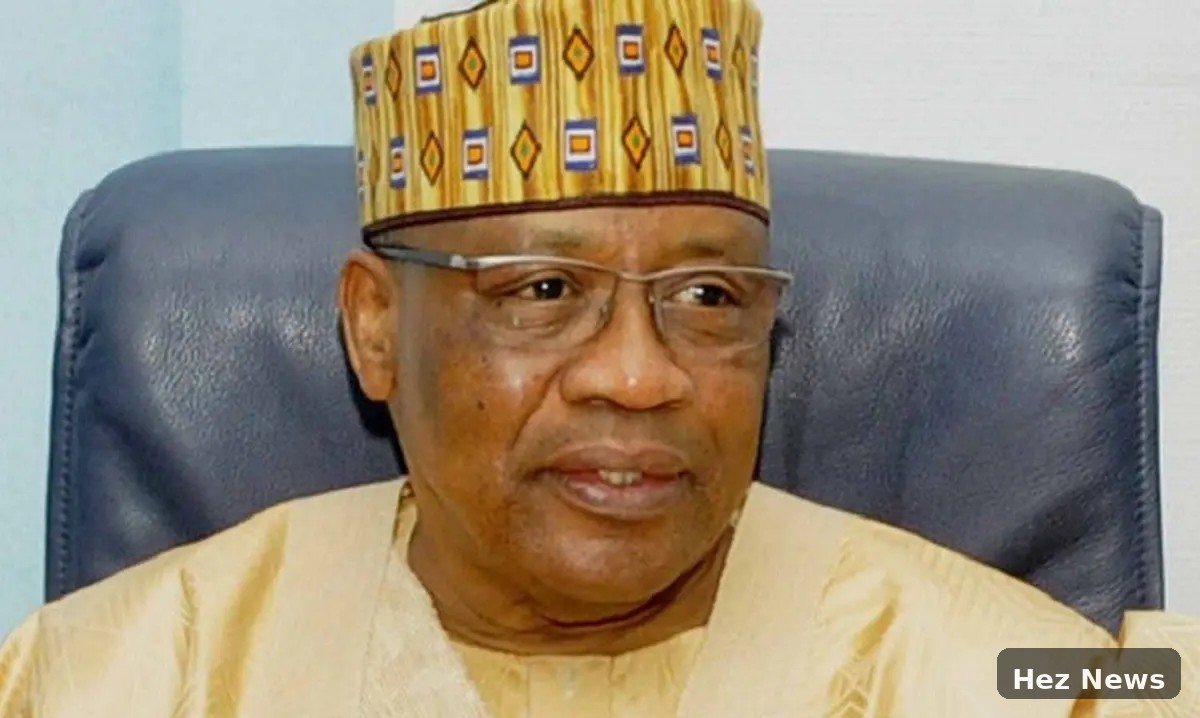
In a recent statement, former military Head of State, Ibrahim Badamosi Babangida, commonly known as IBB, addressed the historical dynamics of military coups in Nigeria. He emphasized that the involvement of wealthy civilians has been a critical component in the orchestration of such events.
The Role of Civilians in Military Regimes
IBB's remarks come at a time when Nigeria is grappling with questions about governance and the military's role in politics. He pointed out that wealthy individuals, often with vested interests, have provided both financial support and resources to military leaders during coups. This collaboration, he argues, is essential for the success of any military takeover.
Historical Context
Nigeria's history is replete with examples of military coups, with various factions vying for power since the nation's independence in 1960. IBB's own regime from 1985 to 1993 is a notable instance where civilian support played a pivotal role. The former ruler stated that without the backing of influential civilians, the military would struggle to establish a foothold in governance.
Implications for Current Governance
As Nigeria approaches its next general elections, IBB's insights raise pertinent questions about the future of democracy in the country. The potential for civilian involvement in military maneuvers could undermine the democratic process, leading to instability.
IBB's comments serve as a reminder of the fragile nature of Nigeria's political landscape and the importance of civic engagement in maintaining democratic norms. He urged Nigerians to be vigilant and proactive against any attempts to disrupt the democratic process, emphasizing that the power of the people remains paramount.
Conclusion
In light of IBB's statement, there is a renewed call for greater public awareness and advocacy for democratic principles in Nigeria. As the nation seeks to strengthen its institutions, understanding the historical interplay between military and civilian actors becomes increasingly vital.




Leave a Comment