

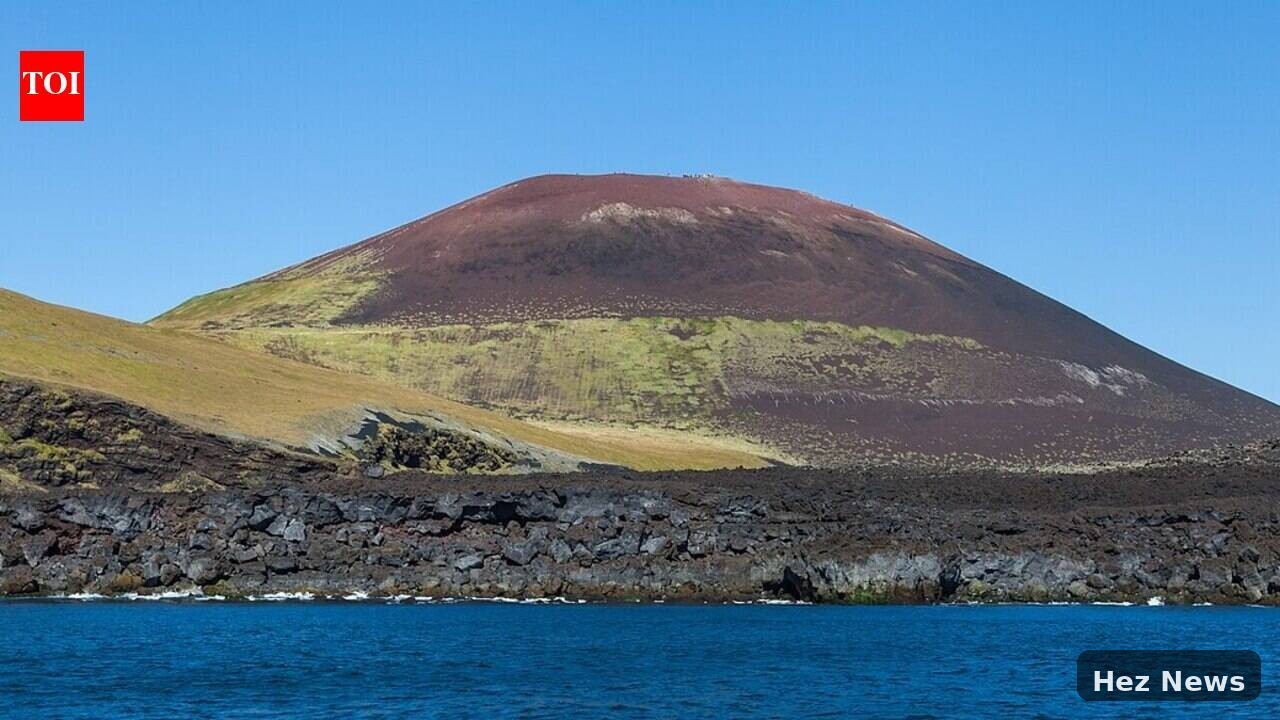
In the early hours of January 23, 1973, the quiet fishing community of Heimaey on Iceland’s Vestmannaeyjar archipelago faced a looming disaster. A volcanic eruption from Heimaey's Eldfell volcano threatened to obliterate the island’s vital fishing harbour, a lifeline for its economy and the local populace.
As the lava flows advanced, local authorities sprang into action, implementing a bold and unprecedented plan. They began to pump over 6 million cubic meters of seawater onto the advancing lava, a strategy aimed at cooling the molten rock and preventing it from encroaching further into the harbour.
The Strategy Behind the Seawater Pumping
This innovative approach involved creating a makeshift breakwater that would protect the harbour from destruction. The decision to utilize seawater was not taken lightly; it was a calculated risk that highlighted the ingenuity and resilience of the local community. The success of this operation would later serve as a case study for other nations facing similar volcanic threats.
In Nigeria, where volcanic eruptions are not a common occurrence, this story resonates as a testament to the importance of preparedness and community action in the face of natural disasters. The Heimaey incident illustrates how timely and strategic intervention can save lives and livelihoods.
The Outcome and Its Impact
As the seawater was pumped onto the lava, the cooling effect began to take hold. The lava flow was successfully redirected, preserving the harbour and allowing the community to continue its fishing activities. The operation lasted for several months, but its success was celebrated as a victory for local authorities and residents alike.
This event not only saved the immediate economic interests of Heimaey but also drew global attention to the potential for innovative disaster response strategies. In the years since, many countries have studied the Heimaey incident as they develop their own disaster management protocols.
Lessons for Nigeria and Beyond
Though Nigeria is less prone to volcanic eruptions, the lessons learned from Iceland's response can be applied to various natural disasters faced in the region, such as floods and droughts. The essence of community resilience and strategic planning is universal.
For instance, in regions of Nigeria that experience seasonal flooding, proactive measures—such as the construction of levees and the establishment of early warning systems—can mitigate the impact of such disasters. Just as the people of Heimaey rallied to protect their homes, Nigerian communities can benefit from a collaborative approach to disaster management.
As climate change continues to pose challenges globally, the need for innovative solutions and community engagement becomes ever more critical. The Heimaey story is a reminder that with courage, creativity, and unity, communities can overcome even the most formidable challenges.






Leave a Comment