

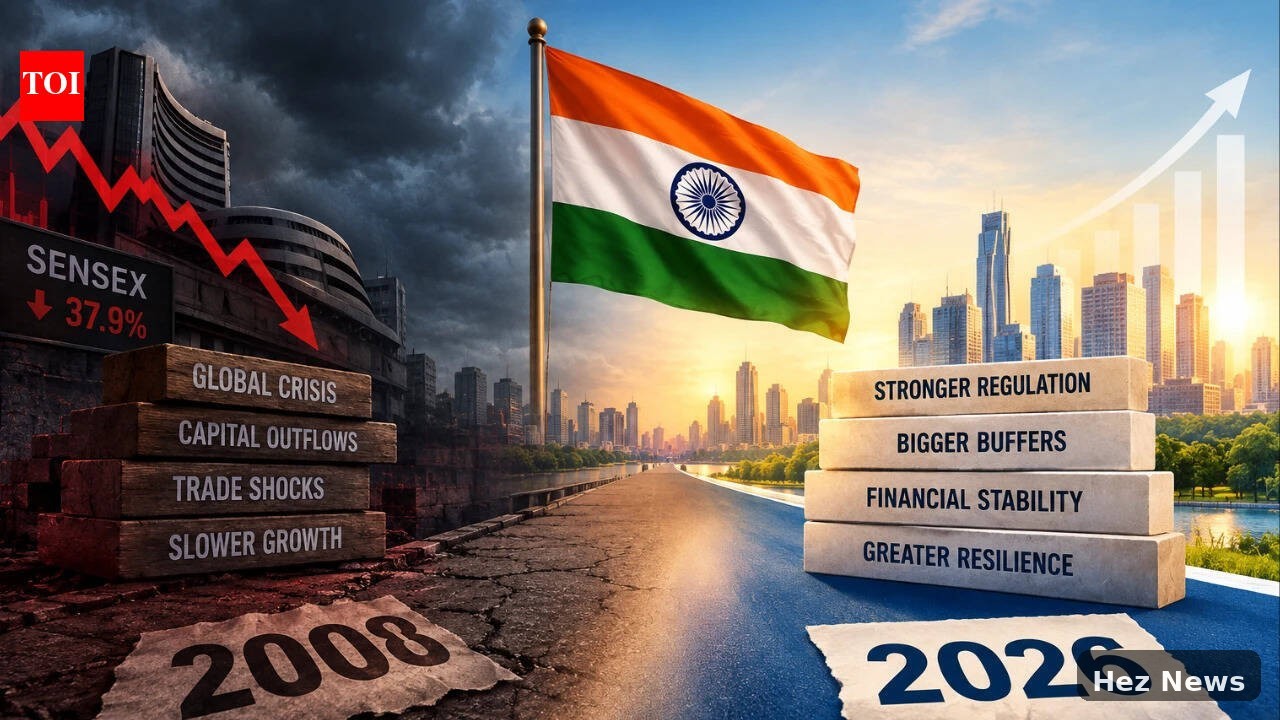
The 2008 financial crisis marked a pivotal moment in global economic history, originating from the tumultuous US housing market. As we reflect on its 18-year legacy, it's vital to examine how this crisis reshaped economies worldwide, including India.
A World Unraveled
On September 19, 2008, the global financial landscape was engulfed in uncertainty. The roots of the crisis lay in the US, where easy credit, soaring home prices, and risky mortgage practices had fueled an unsustainable economic boom. As borrowers defaulted on their loans, the repercussions rippled across international borders, affecting markets and economies far beyond the US.
India’s Economic Transformation
In the aftermath of the crisis, India was compelled to reassess its financial systems and economic policies. The crisis exposed vulnerabilities in the Indian economy, prompting the government to implement several reforms aimed at stabilizing the financial sector and promoting sustainable growth.
One of the most significant changes was the strengthening of regulatory frameworks. The Reserve Bank of India (RBI) introduced measures to enhance oversight of financial institutions, ensuring they adhered to stricter lending standards to prevent a repeat of the crisis. This transformation was crucial in building investor confidence and stabilizing the Indian economy.
Shifts in Consumer Behavior
The crisis also altered consumer behavior in India. As people became more cautious about spending and borrowing, there was a noticeable shift towards savings and investment in financial instruments rather than real estate. This trend has continued to shape India’s financial landscape, leading to an increase in the popularity of mutual funds and stock investments.
Globalization and Economic Interconnectivity
The ripple effects of the 2008 financial crisis underscored the interconnectedness of global economies. India, which had been experiencing rapid growth prior to the crisis, faced a slowdown as demand for exports declined. This event pushed Indian policymakers to enhance domestic production capabilities and focus on self-reliance, a theme that resonates with current initiatives like Make in India.
Lessons for Nigeria
As Nigeria continues to navigate its economic challenges, the lessons from the 2008 financial crisis are particularly relevant. Just like India, Nigeria must focus on strengthening its regulatory frameworks and enhancing transparency in financial dealings to build resilience against future global economic shocks.
Moreover, as the world becomes increasingly interconnected, it is crucial for Nigeria to diversify its economy and reduce dependence on oil exports, thereby safeguarding against external economic fluctuations.
Conclusion
In conclusion, the 2008 financial crisis has left an indelible mark on global economies, including India’s. The changes spurred by the crisis continue to resonate today, demonstrating the importance of adaptability and resilience in an ever-changing economic landscape. As Nigeria observes these developments, it can take proactive steps to fortify its economy and prepare for future challenges.




Leave a Comment