

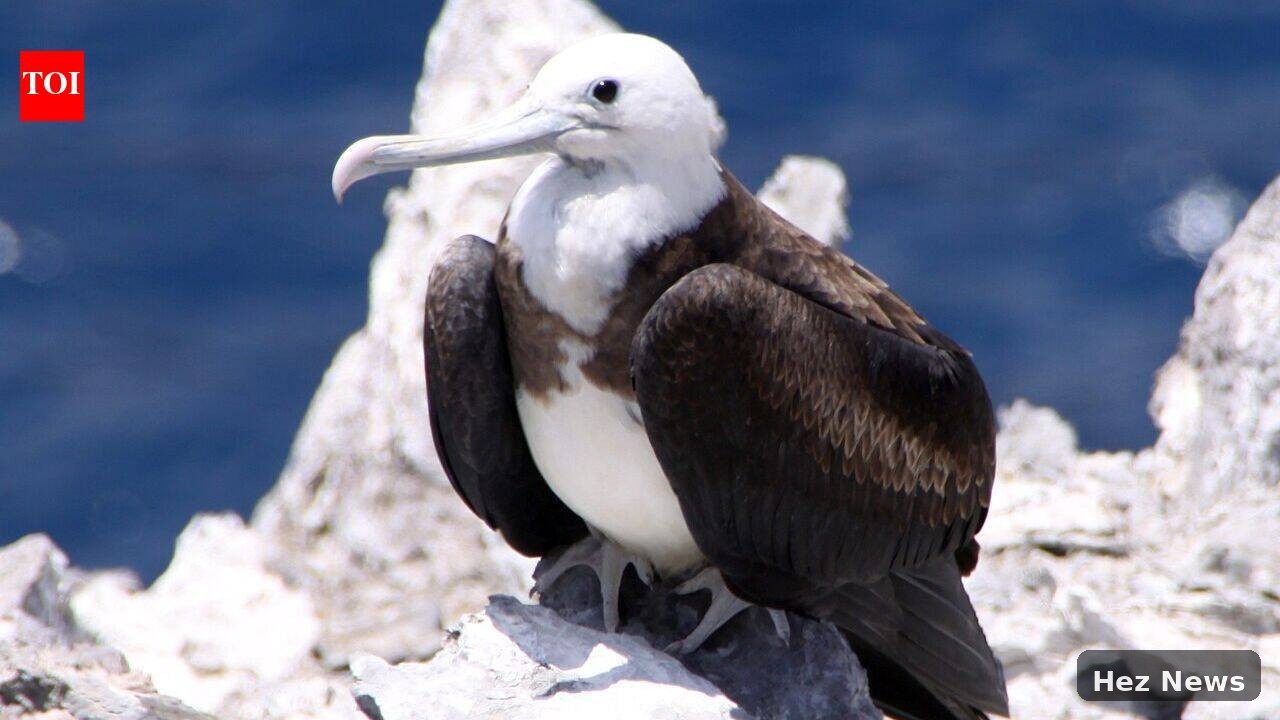
In the early 19th century, the introduction of feral cats to Ascension Island led to significant changes in the island's ecosystem. Originally brought in 1815 for pest control, these cats quickly became a major threat to the native seabird populations.
Ascension Island, located in the South Atlantic Ocean, is home to diverse wildlife, including several unique seabird species. The arrival of feral cats disrupted the delicate balance of this ecosystem, driving many seabird colonies away and resulting in a startling decline in their numbers.
Understanding the Ecological Impact
The introduction of non-native species is a common issue faced by many ecosystems worldwide, including in Nigeria where invasive species can also threaten local fauna. In the case of Ascension Island, the feral cats became adept hunters, preying on seabirds that had evolved without such predators.
Conservationists soon recognized the urgent need to address this threat. In response, a cat-eradication mission was initiated, aiming to restore the native wildlife populations. This mission involved trapping and neutering cats to reduce their numbers sustainably, a method known as trap-neuter-return.
Conservation Efforts and Lessons for Nigeria
The ongoing efforts to control the feral cat population on Ascension Island highlight the importance of proactive conservation measures. Similarly, Nigeria faces its own challenges with invasive species that threaten local biodiversity. By learning from such case studies, Nigerian conservationists can develop effective strategies for protecting vulnerable ecosystems.
For instance, in Nigeria, the introduction of non-native plants and animals has led to disruptions in local habitats, affecting both wildlife and human communities. Addressing these issues requires a combination of education, public awareness, and collaborative efforts between government and local communities.
The Role of Community in Conservation
Conservation initiatives often succeed when local communities are engaged and educated about the ecological impacts of invasive species. In Nigeria, community involvement in conservation programs can foster a sense of ownership and responsibility towards protecting natural resources. This approach not only helps to preserve biodiversity but also enhances local livelihoods.
As we reflect on the lessons from Ascension Island, it is crucial to recognize the interconnectedness of ecosystems worldwide. The plight of seabirds on Ascension Island serves as a reminder of the potential consequences of introducing non-native species, urging us to take action locally to safeguard our own biodiversity.





Leave a Comment