

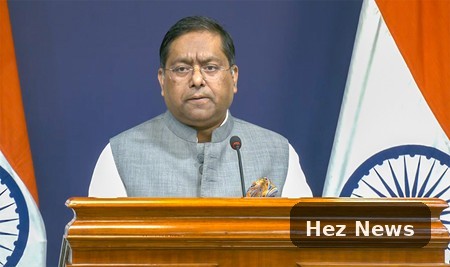
New Delhi, Aug 5 – The Indian Ministry of External Affairs (MEA) has strongly criticized remarks made by Pakistan's Deputy Prime Minister and Foreign Minister Ishaq Dar regarding the observance of 'Youm-e-Istehsal'. The MEA described Dar's comments as a desperate attempt to mislead the international community about the situation in Kashmir.
Context of the Dispute
The term 'Youm-e-Istehsal', which translates to 'Day of Exploitation', is marked by Pakistan to commemorate the revocation of Jammu and Kashmir's special status by India in August 2019. This move has been a point of contention between the two nations, leading to heightened tensions and diplomatic disputes.
India has consistently maintained that the decision to revoke the special status was a necessary step for integrating Jammu and Kashmir more closely with the rest of the country and improving governance and development in the region. The Indian government argues that the change has opened up new avenues for economic growth and stability.
India's Response to Pakistan's Claims
In its response, the MEA emphasized that the world is not easily swayed by what it terms as orchestrated spectacles from Pakistan. The MEA reiterated that Pakistan's rhetoric does not align with the reality on the ground and that the international community recognizes India's commitment to peace and development in Jammu and Kashmir.
Furthermore, the Indian government has pointed out that Pakistan's focus on Kashmir is a diversion from its internal challenges, including economic instability and security issues. By projecting Kashmir as a core issue, Pakistan seeks to distract from its governance failures and the plight of its citizens.
Nigeria's Perspective on International Relations
As Nigeria continues to strengthen its diplomatic ties globally, the developments in India-Pakistan relations provide vital lessons on managing international disputes. Nigeria's own history with regional conflicts underscores the importance of dialogue and diplomacy in resolving issues.
For Nigerian audiences, the ongoing tensions between India and Pakistan serve as a reminder of the complexities of international relations, where narratives can be shaped by political agendas. The Nigerian government, while promoting peace and stability, can take cues from India's approach to regional governance and conflict resolution.
Conclusion
The Indian government's condemnation of Pakistan's remarks on 'Youm-e-Istehsal' illustrates the ongoing rivalry and the deep-rooted issues at play. As both countries engage in diplomatic discourse, the international community watches closely, recognizing the broader implications for regional stability and security.





Leave a Comment