

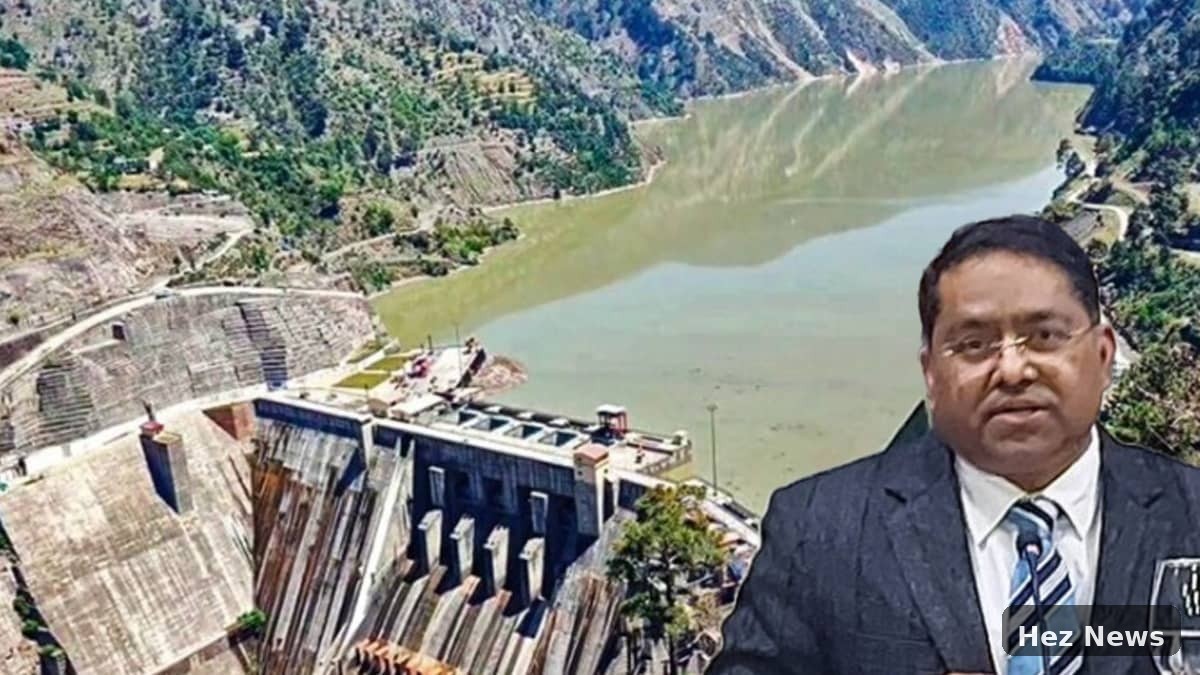
New Delhi: In a decisive move, India has rejected the ruling from a World Bank-formed tribunal regarding the Indus Waters Treaty. This announcement was made on Monday, asserting that the tribunal's decisions were not only unwarranted but also illegally constituted.
The conflict surrounding the Indus Waters Treaty, which governs the use of water from the Indus River system, has been a point of tension between India and Pakistan for decades. The treaty, established in 1960, allocates the river's waters between the two nations, but disputes have arisen over water management and usage.
India's Firm Stance
In its statement, the Indian government emphasized that the sovereign decisions concerning the management of the river's waters remain firmly in India's hands. Officials expressed concerns that the tribunal's involvement undermines India's authority and sovereignty over its natural resources.
India's Ministry of External Affairs reiterated that international bodies should respect the autonomy of nations in managing their own resources, particularly when it comes to issues of national importance such as water security.
Context of the Dispute
The recent ruling was delivered by a Court of Arbitration located in The Hague, which was established under the auspices of the World Bank. However, India contends that the court's formation and its mandate were not in accordance with the stipulations laid out in the original treaty.
This ruling adds another layer of complexity to the already fraught relationship between India and Pakistan, especially in the context of water security, which is increasingly becoming a critical issue in the region amidst changing climatic conditions.
Nigerian Perspective
For Nigeria, the implications of such international disputes over natural resources are significant. As a country rich in water bodies yet facing challenges in water management and distribution, Nigeria can draw lessons from this situation. The importance of maintaining sovereignty over natural resources is paramount, especially in a world where climate change is affecting water availability.
Moreover, the Nigerian government has also been known to engage in various agreements regarding water management with neighboring countries, underscoring the need for clear and respected frameworks that honor the rights and responsibilities of all parties involved.
Conclusion
As the situation develops, it is essential for nations to uphold their rights and engage in dialogue that prioritizes mutual respect and cooperation. India’s firm response to the tribunal's ruling serves as a reminder of the complexities surrounding international treaties and the critical nature of water as a shared resource.






Leave a Comment