

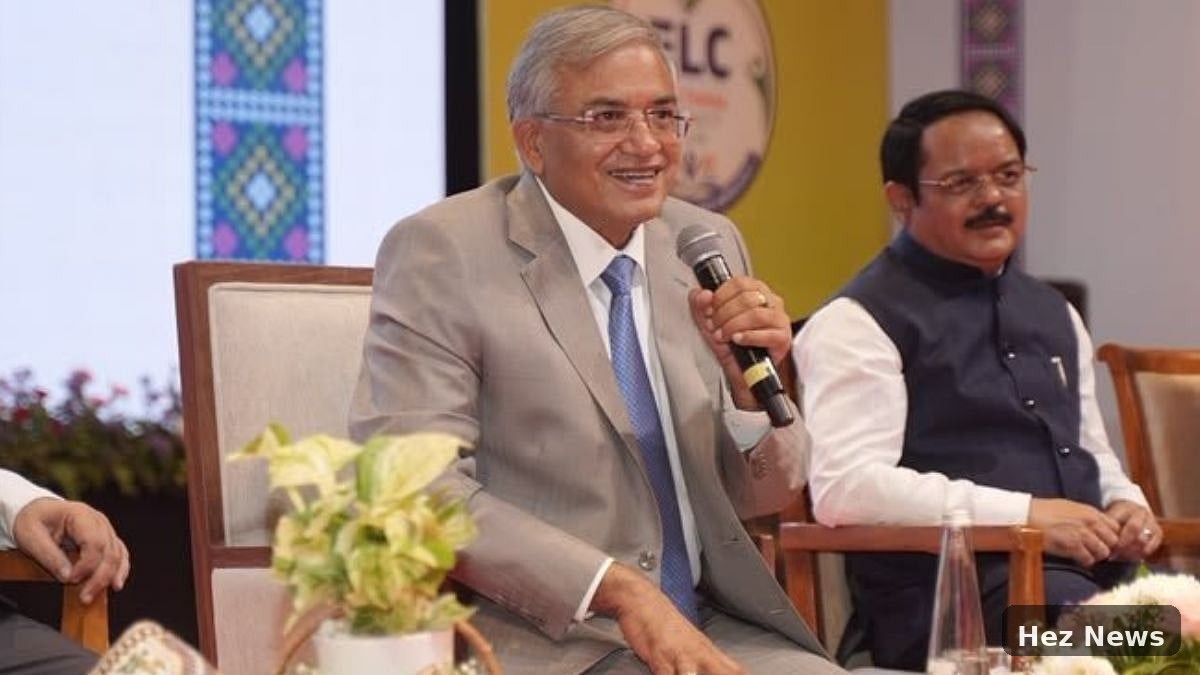
Ahmedabad, September 12, 2026: The Chief Election Commissioner (CEC) of India, Gyanesh Kumar, has recently emphasized the remarkable transparency of India’s electoral system, describing it as one of the most transparent globally. This assertion is particularly significant as many nations, including Nigeria, grapple with electoral integrity and transparency issues.
The Importance of Transparency in Elections
In a world where electoral processes are often marred by allegations of corruption and malpractice, transparency serves as a crucial pillar for fostering public trust. The Indian electoral process, as outlined by CEC Kumar, incorporates robust verification mechanisms at every critical stage—from the meticulous preparation of electoral rolls to the final counting of votes.
Verification at Every Stage
According to Kumar, one of the standout features of India’s electoral system is the rigorous verification conducted throughout the election cycle. This includes:
- Electoral Rolls: Ensuring that the lists are accurate and reflect the current demographics.
- Voting Process: Implementation of advanced technology, including Electronic Voting Machines (EVMs), which help minimize human error.
- Counting of Votes: Strict protocols that allow for independent observation and verification of results.
Such measures not only enhance the credibility of the electoral process but also serve as a model for other democracies, including Nigeria, where electoral practices have faced scrutiny and calls for reform.
Lessons for Nigeria
Nigeria's electoral history has been challenged by various issues, including allegations of rigging and violence during elections. The insights from India’s electoral transparency can provide valuable lessons for Nigerian authorities and stakeholders. By adopting similar verification processes and leveraging technology, Nigeria could enhance the integrity of its elections.
Moreover, as Nigeria approaches upcoming elections, the emphasis on transparency and accountability becomes even more critical. Engaging civil society and international observers can further bolster public confidence in the integrity of the electoral process.
Global Recognition
India’s acknowledgment of its electoral transparency is not just a national assertion but also a message to the international community. It showcases a commitment to democratic values and serves as a counter-narrative to criticisms faced by various electoral systems worldwide.
As nations like Nigeria seek to improve their electoral processes, they can look towards the Indian model as a potential framework for reform. The ongoing dialogue around electoral integrity is vital, and the lessons learned from different nations can help shape a future where democracy is not only preserved but also celebrated.
In conclusion, the remarks by CEC Gyanesh Kumar underscore the importance of transparent electoral processes. As global citizens, it is our responsibility to advocate for systems that uphold democracy and ensure that every vote counts.



Leave a Comment