

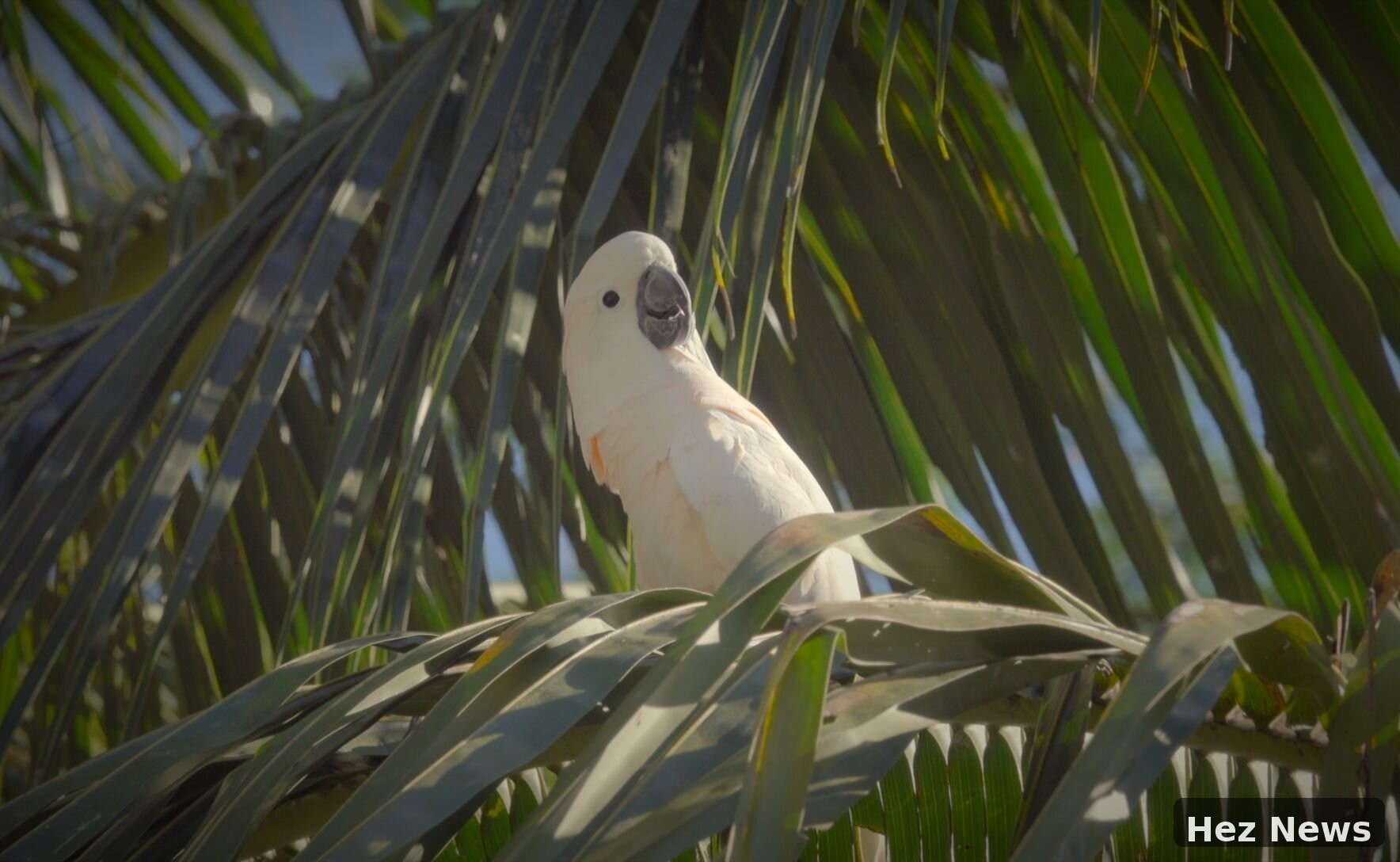
In a remarkable fusion of tradition and conservation, an Indigenous community in Indonesia has successfully implemented strategies to protect one of the world's rarest cockatoo species, as highlighted in recent research conducted by The Australian National University (ANU) and Universitas Gadjah Mada.
The Role of Indigenous Knowledge
This initiative showcases how Indigenous knowledge can be leveraged to foster environmental sustainability without compromising cultural heritage. The community’s traditional practices, which have been passed down through generations, play a crucial role in safeguarding the habitats of these endangered birds.
Why the Cockatoo is Endangered
The cockatoo in question, known for its striking appearance and unique behaviors, faces various threats including habitat loss due to deforestation, illegal trapping, and climate change. These factors have led to a drastic decline in their population, making conservation efforts essential.
Combining Tradition with Modern Science
The research emphasizes that the Indigenous community employs sustainable land management practices that not only respect their cultural traditions but also enhance biodiversity. By integrating modern conservation techniques with traditional ecological knowledge, they have created a successful model that other regions could emulate.
Impact on Local and Global Conservation Efforts
This case provides important lessons for Nigeria, a country rich in biodiversity and cultural heritage. As Nigeria grapples with its own environmental challenges, including deforestation and wildlife trafficking, the approach taken by this Indonesian community can serve as a blueprint for similar initiatives.
Call to Action
It is vital for both local and international bodies to recognize the importance of Indigenous communities in conservation efforts. Supporting these communities, both through funding and policy changes, can lead to sustainable practices that protect not only wildlife but also the cultural identities of those who live in harmony with nature.
Conclusion
The success of this Indigenous-led conservation effort highlights the potential of blending tradition with modern science. As the world faces an environmental crisis, such initiatives could be key to preserving endangered species and promoting biodiversity.






Leave a Comment