

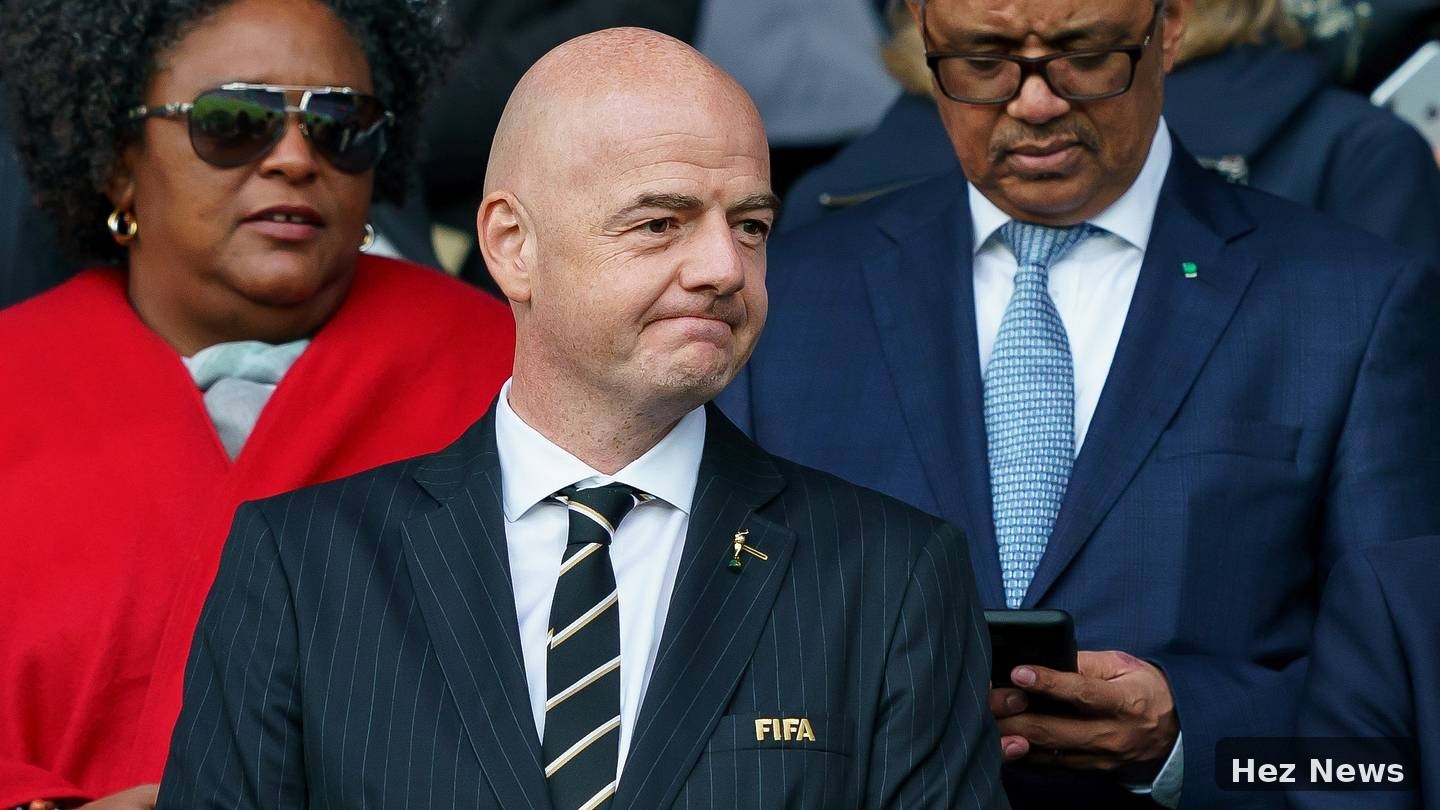
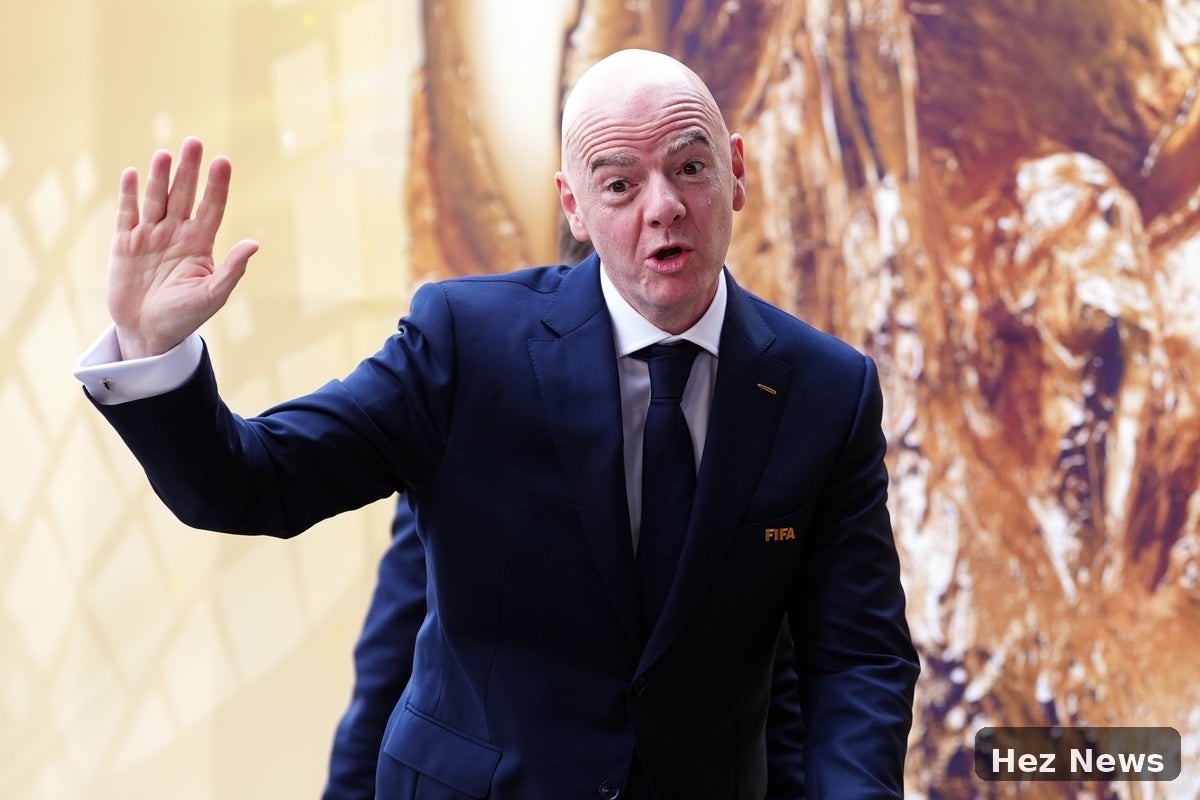
FIFA President Gianni Infantino has stirred significant controversy once again with his recent announcement of a $20 billion private equity plan aimed at creating and selling shares of the World Cup. The proposal, which was unveiled last week, was met with fierce criticism from various football associations worldwide.
Immediate Global Condemnation
Upon the announcement, 55 member associations of UEFA, the governing body for European soccer, were quick to voice their disapproval, highlighting concerns over the commercialization of a tournament that holds deep cultural significance for many countries, including Nigeria.
This reaction is particularly relevant in the context of Nigeria, where football is not just a sport but a unifying national passion. The World Cup is seen as an event that brings together fans from diverse backgrounds, and many Nigerians are wary of the potential impact of such financial maneuvers on the essence of the game.
Financial Implications and Concerns
Infantino's plan aims to overhaul the financial structure of the World Cup by introducing a model that allows for private investment, potentially changing how the tournament is funded and managed. Critics argue that this could lead to a situation where profit supersedes the sporting spirit and the welfare of players and fans alike.
In Nigeria, where the Nigerian Football Federation (NFF) has faced its own financial challenges, the implications of Infantino's plan resonate deeply. The NFF has been striving to improve its financial standing and ensure that local football clubs and players receive adequate support. The concern is that a shift towards privatization could marginalize local interests.
Reactions from Nigerian Football Stakeholders
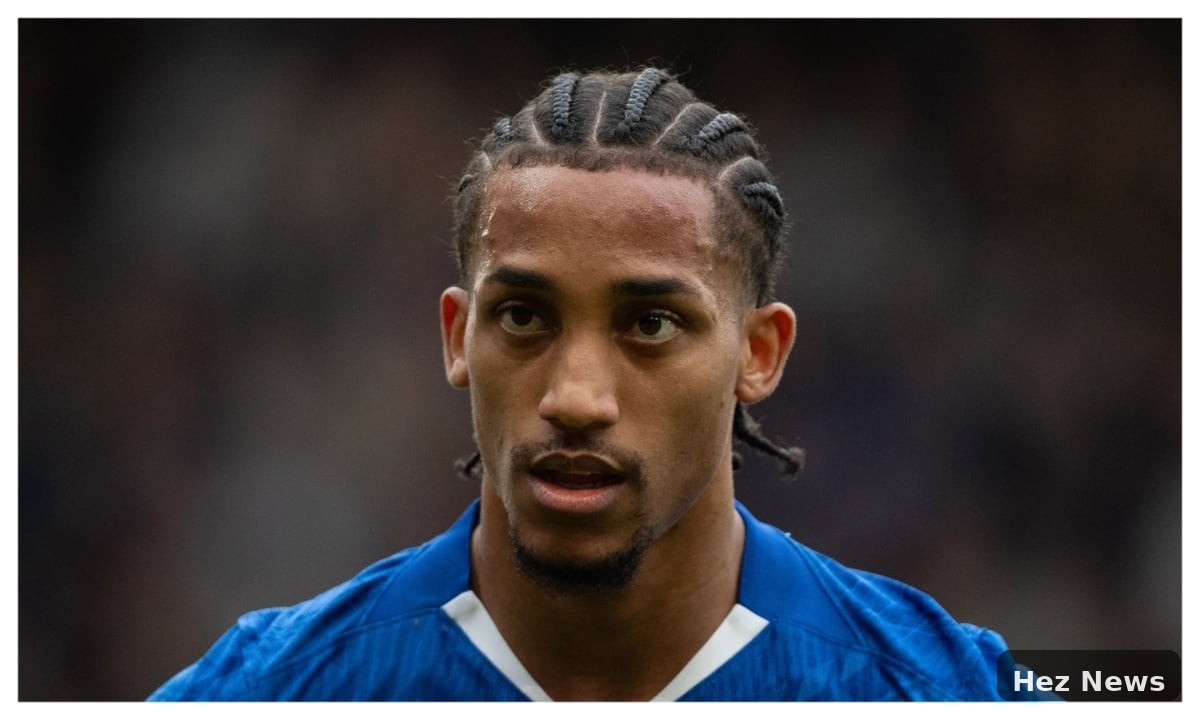
Prominent Nigerian football figures, including former players and coaches, have expressed their apprehensions regarding the plan. John Mikel Obi, a renowned Nigerian international, stated, "While investment is crucial for the growth of football, we must ensure that the integrity of the game is not compromised. The World Cup is a celebration of our sport, and it must remain accessible to every fan, regardless of their financial status."
Moreover, fans from across the country have taken to social media platforms to voice their opinions. Many believe that the rich history and tradition of the World Cup should be preserved, and any attempts to commercialize it should be approached with caution.
Future of Football Governance
The backlash against Infantino’s proposal raises important questions about the future governance of football globally. As the landscape of sports evolves with increasing commercial interests, the challenge remains to balance financial viability with the core values of the game.
As Nigeria prepares for its next international fixtures, the focus remains on ensuring that the welfare of players and the passion of fans are prioritized. The NFF is expected to engage in discussions about the implications of these global changes and how they may affect the local football scene.
In conclusion, while Infantino’s $20 billion plan aims to inject new life into the World Cup, it is crucial for football authorities worldwide, including Nigeria, to advocate for a model that respects the game’s heritage and prioritizes the interests of its most loyal supporters.

Leave a Comment