

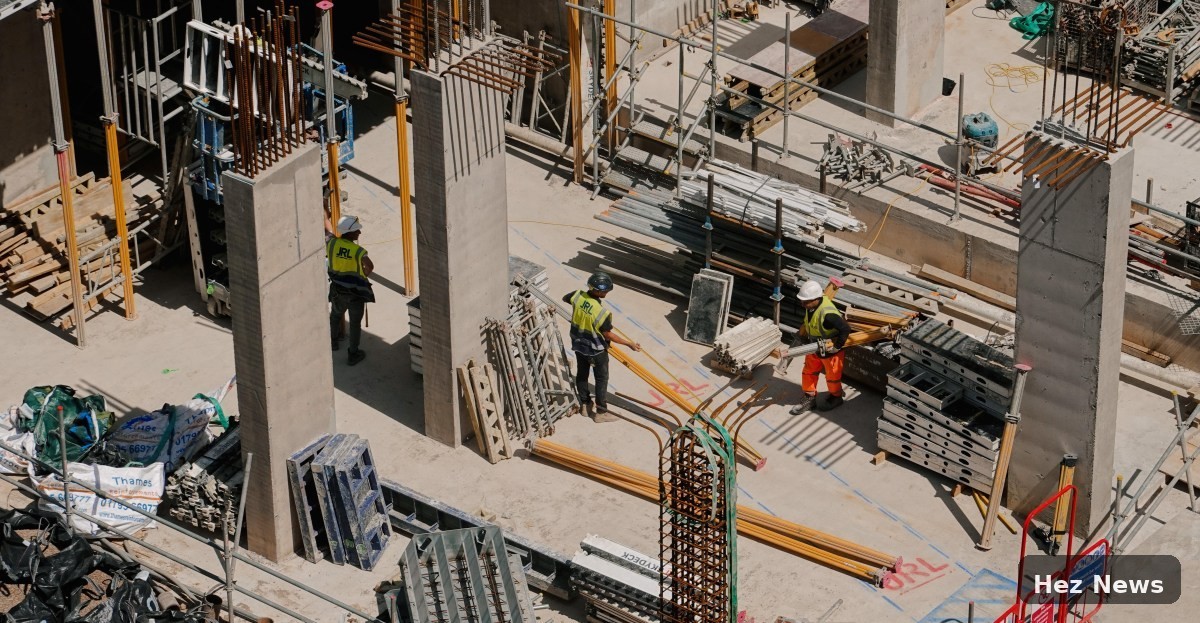
Concrete has long been a fundamental building material, but recent innovations are aiming to enhance its durability and sustainability. In a world where construction must meet both aesthetic and environmental standards, the quest to improve concrete is gaining momentum.
The Legacy of Concrete
Historically, structures like the Colosseum in Rome demonstrate the strength of concrete, which was originally created using volcanic ash and lime. This ancient formula allowed for the rapid construction of grand edifices, showcasing human ingenuity. However, modern concrete, while still essential, faces challenges such as cracking, environmental impact, and sustainability.
Current Challenges in Concrete Use
In Nigeria, the construction industry is burgeoning, with ambitious projects aimed at urban development. However, the quality of concrete has often been a concern. Factors such as substandard materials and lack of proper mixing techniques can lead to weak structures. This issue is not just limited to Nigeria; it is a global challenge that necessitates innovative solutions.
New Innovations in Concrete
Researchers are now exploring ways to enhance concrete’s properties. For instance, the integration of recycled materials—such as crushed glass and plastic waste—into concrete mixtures not only reduces reliance on virgin materials but also improves concrete's strength and resilience. Moreover, the development of self-healing concrete, which can repair its cracks autonomously, presents a promising avenue for the future.
Implications for Nigeria
For Nigeria, adopting these advancements could revolutionize the construction sector. Improved concrete technology can lead to safer buildings and infrastructure, ultimately contributing to sustainable urban development. Additionally, this could provide local job opportunities and encourage the use of environmentally friendly materials.
Conclusion
The quest to fix concrete is not merely a technical challenge; it is a pathway to sustainable development. As Nigeria continues to grow, embracing innovative technologies in concrete could pave the way for a more resilient and sustainable future. The journey to improve this vital material reflects a broader commitment to enhancing our built environment.



Leave a Comment