

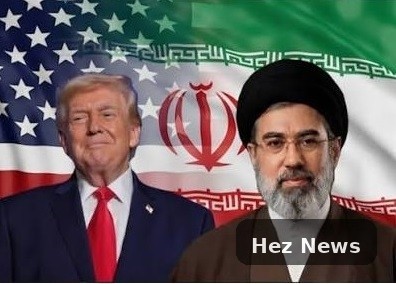
TEHRAN: Following the passing of Iran's Supreme Leader Ayatollah Ali Khamenei, his successor, Mojtaba Khamenei, has made headlines with a controversial announcement during his first public address. He revealed a 'revenge list' that includes names of 13 prominent global leaders, stirring significant international attention.
The Context of the Revenge List
Ayatollah Ali Khamenei, who led Iran for over three decades, passed away recently, marking a pivotal moment in the country's leadership. His death has not only left a power vacuum but has also intensified the geopolitical tensions in the Middle East. The announcement of the revenge list is perceived as a response to perceived injustices and hostilities faced by Iran during his leadership.
World Leaders Named
The list reportedly includes notable figures such as former U.S. President Donald Trump, Israeli Prime Minister Benjamin Netanyahu, and Italian Prime Minister Giorgia Meloni, among others. This move has raised eyebrows globally, with leaders from various countries responding with caution.
Implications for Nigeria and Africa
The implications of such announcements extend beyond the boundaries of Iran. For Nigeria and other African nations, the growing tensions in the Middle East could affect diplomatic relations and trade partnerships. As global leaders navigate this complex landscape, Nigeria must remain vigilant and informed about the shifting alliances and geopolitical strategies that could impact its interests.
Global Reactions
The reactions to the revenge list have been mixed. While some international analysts view it as a threat, others believe it is a strategic move to rally national sentiment within Iran. The Iranian government has consistently faced criticism for its foreign policy, and this announcement may serve to bolster internal support in the face of external pressures.
Future of Iran's Leadership
As Mojtaba Khamenei steps into his new role, the world watches closely to see how he will navigate the legacy of his father. The 'revenge list' could be indicative of a more confrontational approach in Iran's foreign policy, particularly towards nations that have historically opposed the Islamic Republic.
Conclusion
This development is a reminder of the fragile nature of international relations and the potential for escalation in rhetoric and action. For Nigerians and other Africans, staying informed about such global events is crucial, as they could have indirect repercussions on local politics and regional stability.





Leave a Comment