

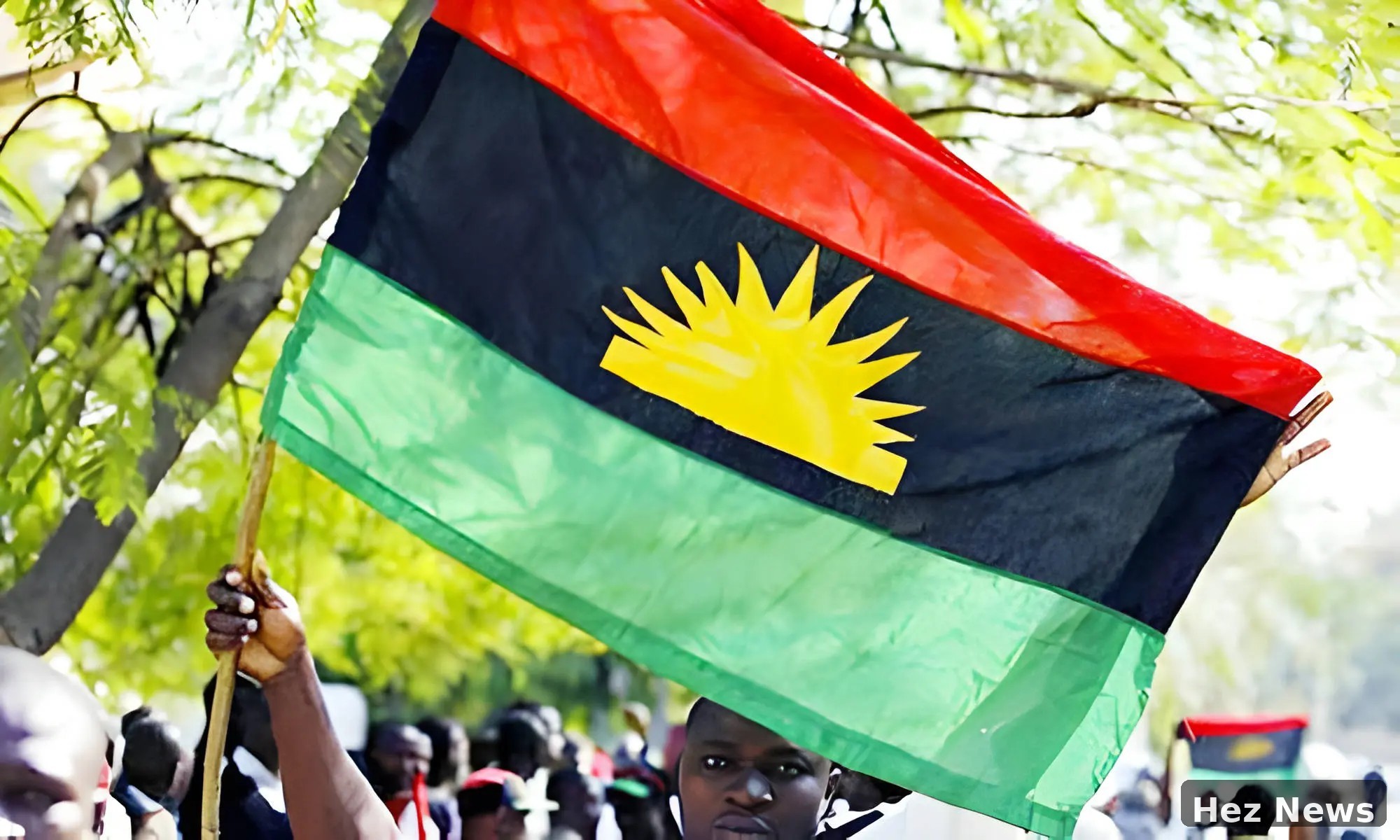
An Israeli strategic advisor, Noga Arbel, has recently made headlines by advocating for the independence of Biafra from Nigeria. This statement has ignited discussions among various Nigerian groups, particularly those sympathetic to the Biafran cause, including the Indigenous People of Biafra (IPOB).
Calls for Biafra's Freedom
In a public statement, Arbel emphasized the need for Biafran freedom, criticizing the United Kingdom for what she described as its continued support for colonialism in Nigeria. Her remarks come at a time when the Biafran independence movement has gained renewed attention, with many advocating for self-determination.
IPOB's Response
In response to Arbel's comments, IPOB expressed gratitude for the support, viewing it as a significant endorsement of their long-standing quest for independence. The group has consistently campaigned for the recognition of Biafra, a region that experienced a devastating civil war in the late 1960s.
IPOB's leadership stated, "We appreciate the acknowledgement from international figures like Noga Arbel. It highlights the global awareness of our struggle and the injustices we face." The organization has been vocal about the perceived marginalization of the Igbo people and the need for an independent Biafra to rectify historical grievances.
Historical Context of Biafra
The Biafran conflict, which erupted in 1967, was a result of ethnic tensions and economic disparities within Nigeria. The subsequent civil war lasted until 1970 and resulted in millions of casualties and suffering. Since then, calls for Biafran independence have persisted, with various groups advocating for self-governance and recognition of their rights.
International Perspectives
Arbel's comments also bring to light the role of international actors in the ongoing discourse around Nigeria's political landscape. By criticizing the UK, Arbel has tapped into a broader narrative concerning post-colonial influences in African nations. Many Nigerians have expressed concerns over the lingering effects of colonialism on the country's governance and societal structures.
As discussions around Biafra continue to evolve, the implications of such international support could play a crucial role in shaping the future of the movement. Observers note that while international backing can provide momentum, the path to independence remains fraught with challenges.
The Nigerian Government's Stance
The Nigerian government has consistently rejected calls for Biafran independence, labeling IPOB as a terrorist organization. Officials argue that the unity of Nigeria is paramount and that dialogue should focus on addressing grievances within the existing framework of the country.
Despite this, the calls for Biafra's freedom persist, with many young Nigerians rallying behind the movement, driven by a desire for self-determination and justice.
Conclusion
As the conversation around Nigeria's political future continues, Noga Arbel's remarks serve as a reminder of the complex interplay between history, identity, and governance in the region. With support from international figures, the Biafran movement may gain further traction, challenging established norms and prompting a reevaluation of Nigeria's colonial legacy.



Leave a Comment