


Benjamin Kalu, the Deputy Speaker of the House of Representatives, has raised significant concerns regarding the proposed establishment of state police in Nigeria. He emphasized that such an initiative should not be utilized as a mechanism for political repression.
Critical Perspective on State Police
Kalu's remarks come amidst ongoing discussions about enhancing Nigeria's security framework through decentralized policing systems. While proponents argue that state police could lead to more effective law enforcement tailored to local needs, Kalu warns that without proper oversight, it could devolve into a tool for political oppression.
Historical Context of Policing in Nigeria
Historically, the policing system in Nigeria has faced scrutiny for its political biases and misuse by those in power. Instances of law enforcement being used against political opponents have marred public trust. Kalu's stance reflects a growing sentiment among some lawmakers and citizens that any move towards state policing must be accompanied by stringent regulations to prevent abuse.
Political Concerns and Public Sentiment
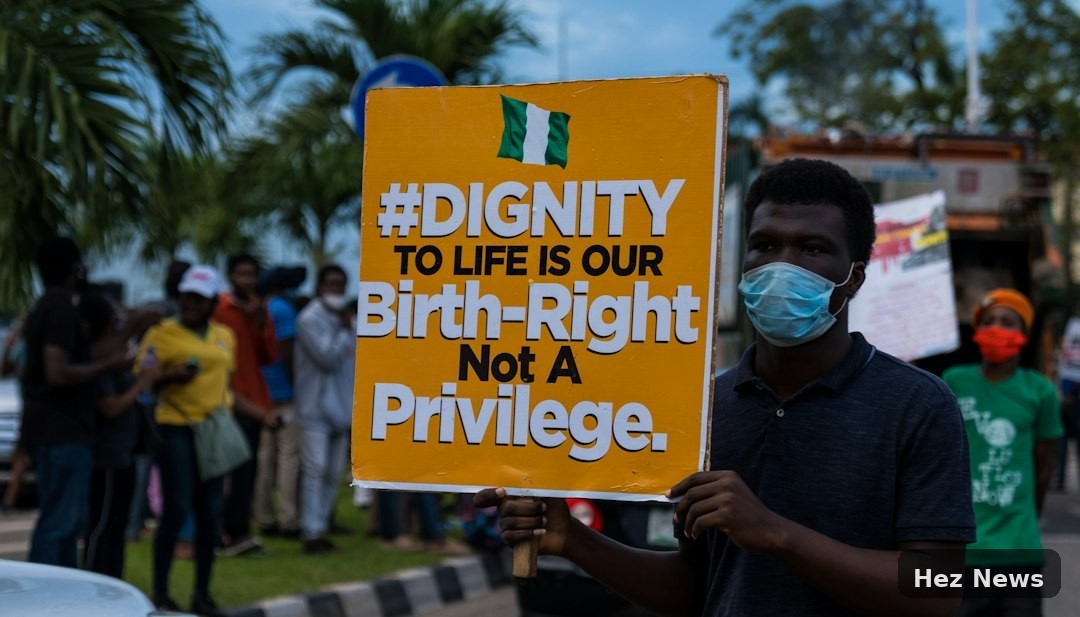
The Deputy Speaker’s cautionary words resonate with many Nigerians who fear that the establishment of state police could lead to an increase in politically motivated violence and harassment. Kalu stated, "We must ensure that the creation of state police does not serve as a cover for the persecution of dissenting voices or an avenue for the ruling elite to suppress opposition."
Advocacy for Accountability
In his address, Kalu advocated for the inclusion of checks and balances in the proposed state police framework. He underscored the necessity for an independent body to oversee the operations and conduct of state police personnel. This, he argues, would help maintain accountability and ensure that the rights of citizens are protected.
Next Steps in the Legislative Process
As discussions continue in the National Assembly, Kalu has called for public engagement and contributions from civil society organizations. He believes that the voices of the Nigerian populace are crucial in shaping a policing system that is both effective and respectful of human rights.
In conclusion, while the idea of state police may hold potential for enhanced security, Kalu’s warnings serve as a crucial reminder that without proper governance, this initiative could become a tool for repression rather than protection. The ongoing dialogue will likely influence the future of policing in Nigeria, and the outcome will depend heavily on the commitment of lawmakers to uphold democratic principles.




Leave a Comment