

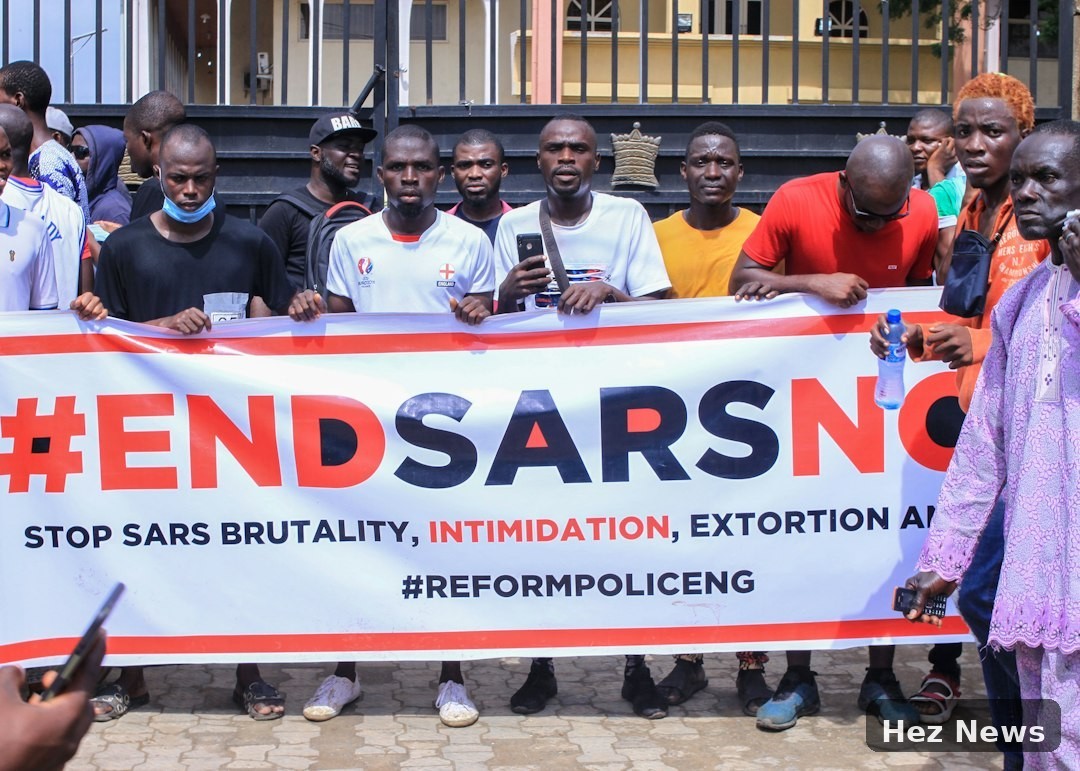
The current national minimum wage of N70,000 is no longer a viable option for Nigerian workers, according to the Minister of Aviation and Aerospace Development, Festus Keyamo. In a recent statement, Keyamo highlighted the harsh economic realities that many Nigerians face, making it increasingly difficult for families to meet basic needs on this wage.
Economic Challenges Facing Nigerian Workers
Keyamo pointed out that the rising cost of living, particularly in urban areas, has rendered the minimum wage insufficient. "With inflation rates soaring and essential commodities becoming increasingly expensive, it is impossible for workers to survive on N70,000 per month," he stated.
Government's Role in Wage Adjustments
The minister called for a reevaluation of the minimum wage policy, suggesting that the government must take proactive steps to adjust wages in line with economic realities. "We must ensure that our workers are compensated fairly for their labor, especially in a time when the economy is struggling to recover from the impacts of the pandemic," he added.
Public Reaction and Implications
The statement has sparked discussions among labor unions and workers across the country. Many believe that the current wage structure does not reflect the economic conditions faced by ordinary Nigerians. Trade unions have been advocating for a wage increase, citing that the minimum wage has not been adjusted since its introduction, despite the significant economic changes over the past few years.
Looking Ahead
As Nigeria continues to grapple with economic challenges, the question of fair wages remains critical. Keyamo's comments serve as a reminder of the need for government intervention to ensure that workers can live with dignity and meet their daily needs. The call for a wage review is expected to gain momentum as discussions around workers' rights and economic justice continue.



Leave a Comment