

The world has witnessed devastating nuclear accidents such as Fukushima, Chernobyl, and Three Mile Island, events that have left lasting scars on humanity and the environment. These incidents highlight the critical need for rigorous safety measures and the importance of transitioning to sustainable energy sources.
Understanding the Impact of Nuclear Accidents
Nuclear accidents have not only resulted in loss of life but have also caused long-term environmental damage. In countries like Japan and Ukraine, communities continue to suffer from the aftereffects of these disasters. The failures at these nuclear power plants serve as a stark reminder of the risks associated with nuclear energy.
Climate Change: A Global Challenge
Climate change remains one of the most pressing challenges of our time. The potential for catastrophic environmental consequences is real, and the time for action is now. While countries around the world have made strides in renewable energy, the reality is that many nations, including Nigeria, still rely heavily on fossil fuels.
The Road Not Taken
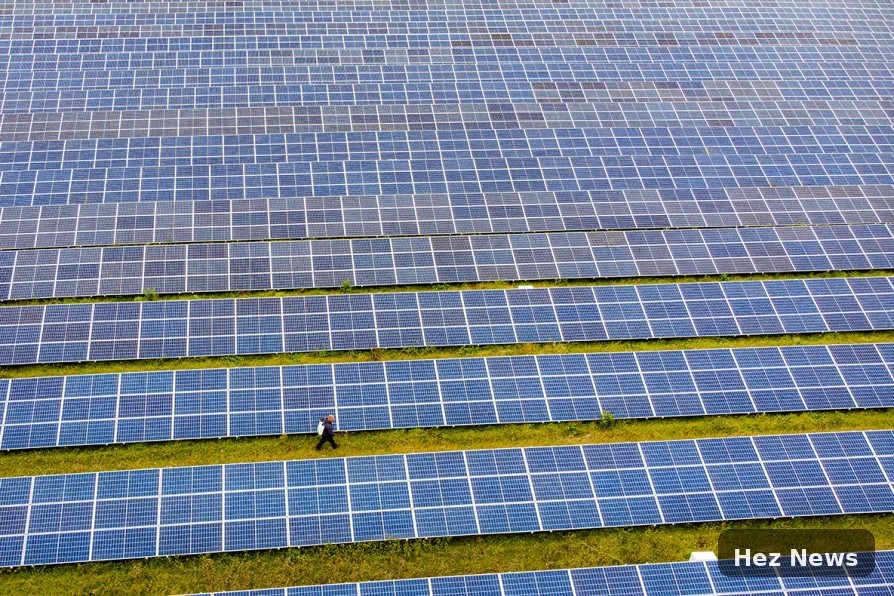
We could have avoided both nuclear disasters and the ongoing climate crisis through proactive measures. For instance, investing in renewable energy technologies like solar, wind, and hydroelectric power could have paved the way for a sustainable future. In Nigeria, harnessing solar energy presents a unique opportunity to reduce dependence on fossil fuels and provide electricity to millions.
Nigeria's Renewable Energy Potential
Nigeria is endowed with abundant sunlight, making it an ideal candidate for solar energy projects. However, the challenge lies in mobilizing investment and infrastructure to tap into this resource effectively. Implementing government policies that support renewable energy can accelerate this transition and promote energy security.
Learning from Global Events
The lessons learned from past nuclear accidents must inform Nigeria's approach to energy production and environmental management. Building a robust regulatory framework and fostering public awareness about the benefits of renewable energy are critical steps in this journey. As the world shifts towards sustainability, Nigeria must not be left behind.
Conclusion
Ultimately, the world we could have had—a world free from the shadows of nuclear mishaps and the looming threat of climate change—is still within reach. By prioritizing renewable energy and learning from past mistakes, Nigeria can position itself as a leader in the global fight against climate change.






Leave a Comment